Madrid de los Austrias: History, Football Stores and San Miguel Market
Madrid has layers. Not like CDMX where everything coexists chaotically on the same block. Here the historic center has its own logic, as if time had settled into strata and each street releases centuries one by one. Madrid de los Austrias is exactly that: the core built by the Habsburgs between the 16th and 17th centuries, when Spain was the center of the known world and Madrid was the capital of that world. Walking through it with that in mind changes the experience entirely. You're not just looking at old stones — you're standing on the same ground where decisions were made that shaped entire continents.
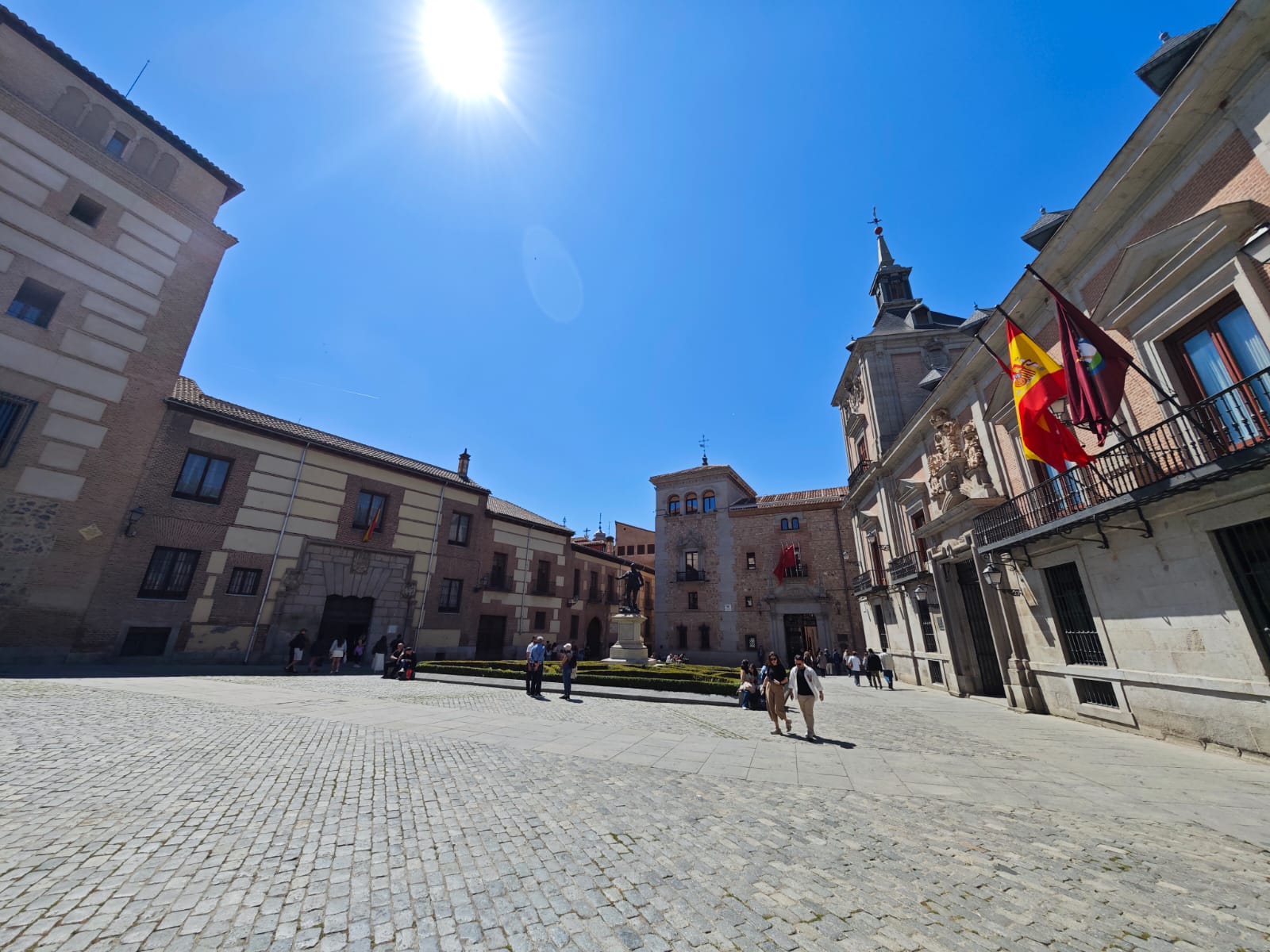
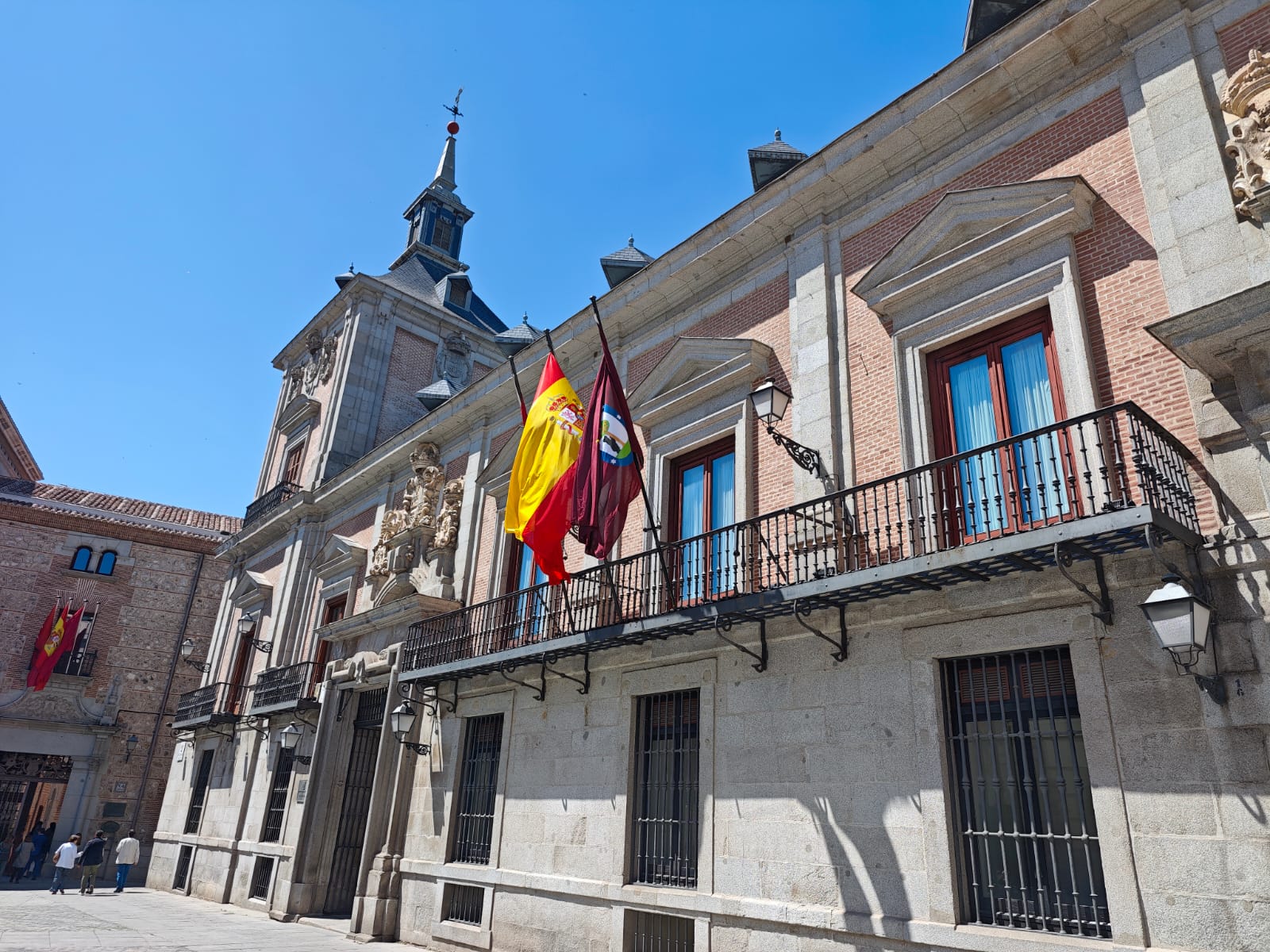
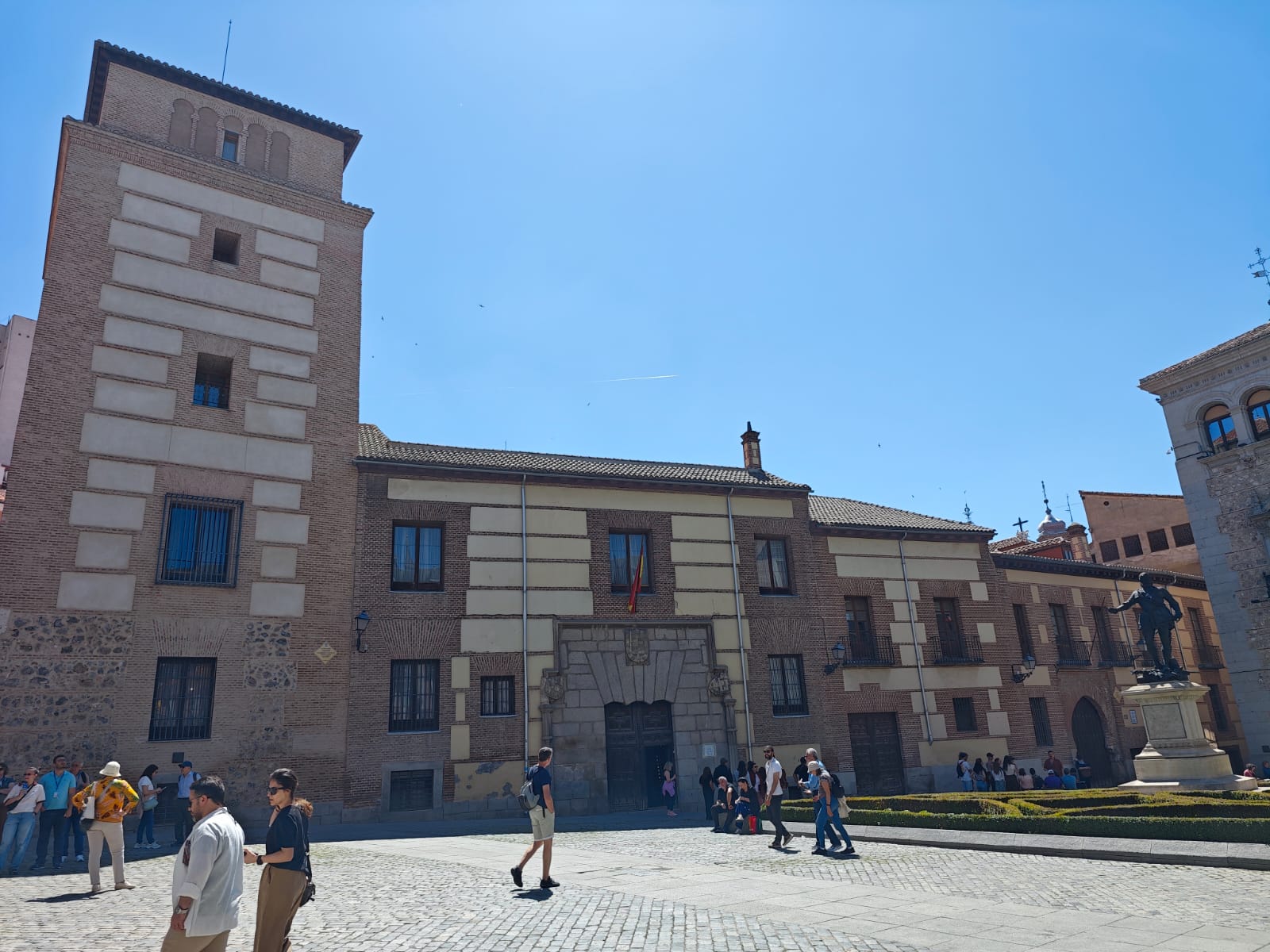
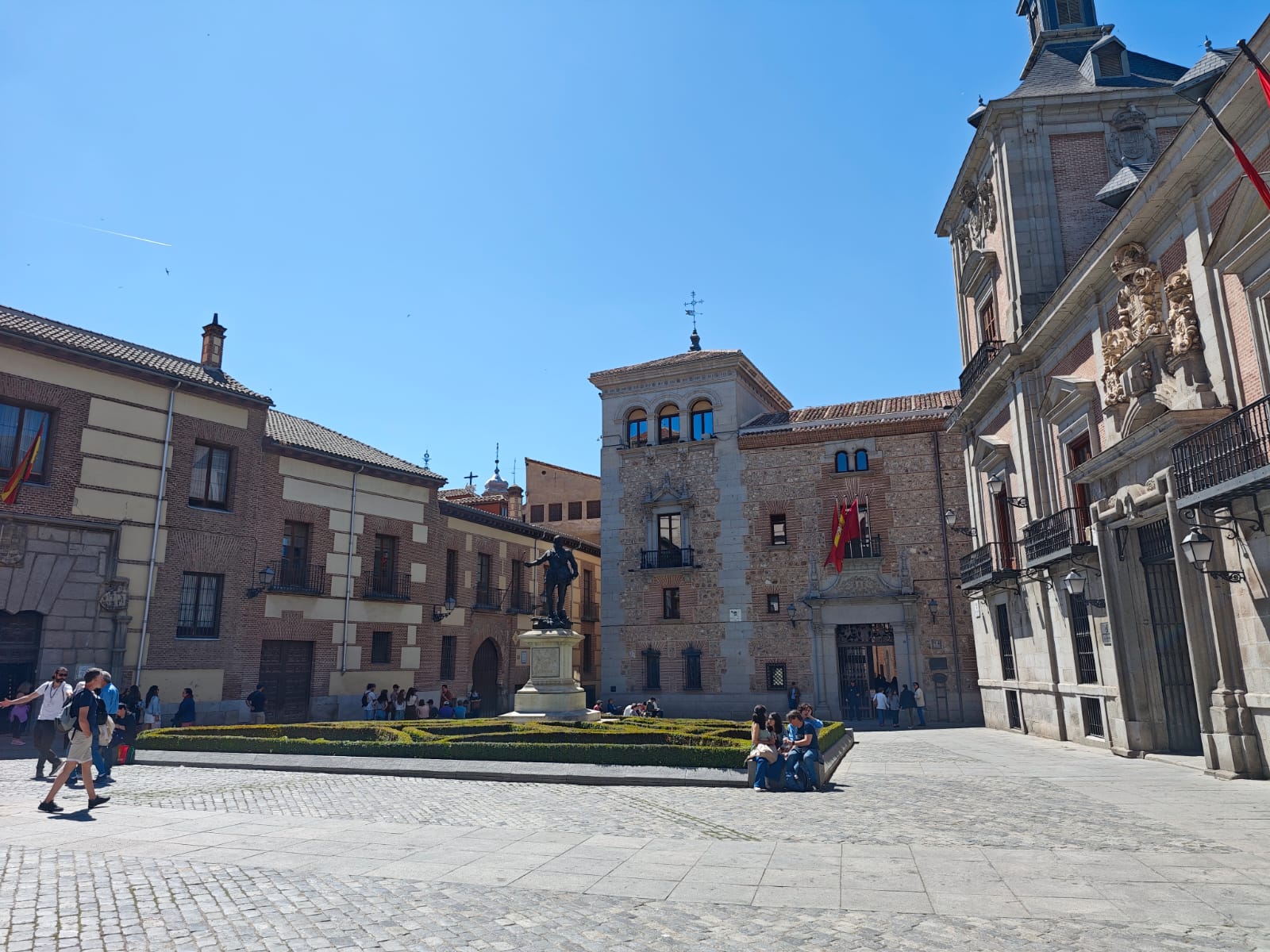
I started at Plaza de la Villa. Three buildings, a small square, and more history concentrated per square meter than in most museums. Casa de la Villa was Madrid's old City Hall, Casa de Cisneros carries the name of the cardinal who practically reinvented the Spanish Church, and the Torre y Casa de los Lujanes is one of the oldest civil complexes still standing in the entire city. In the center, the statue of Álvaro de Bazán, the admiral who never lost a naval battle. The man died before he could command the Spanish Armada, and many historians argue that if he'd been in charge, the outcome would have been different. History has that cruelty: the best ones leave before you need them most.
The square sits wedged between Calle Mayor and the corridor connecting Plaza Mayor to the Royal Palace. You're literally on the central axis of historic Madrid. You can walk from one end to the other in twenty minutes and cross several centuries of architecture without getting on anything.
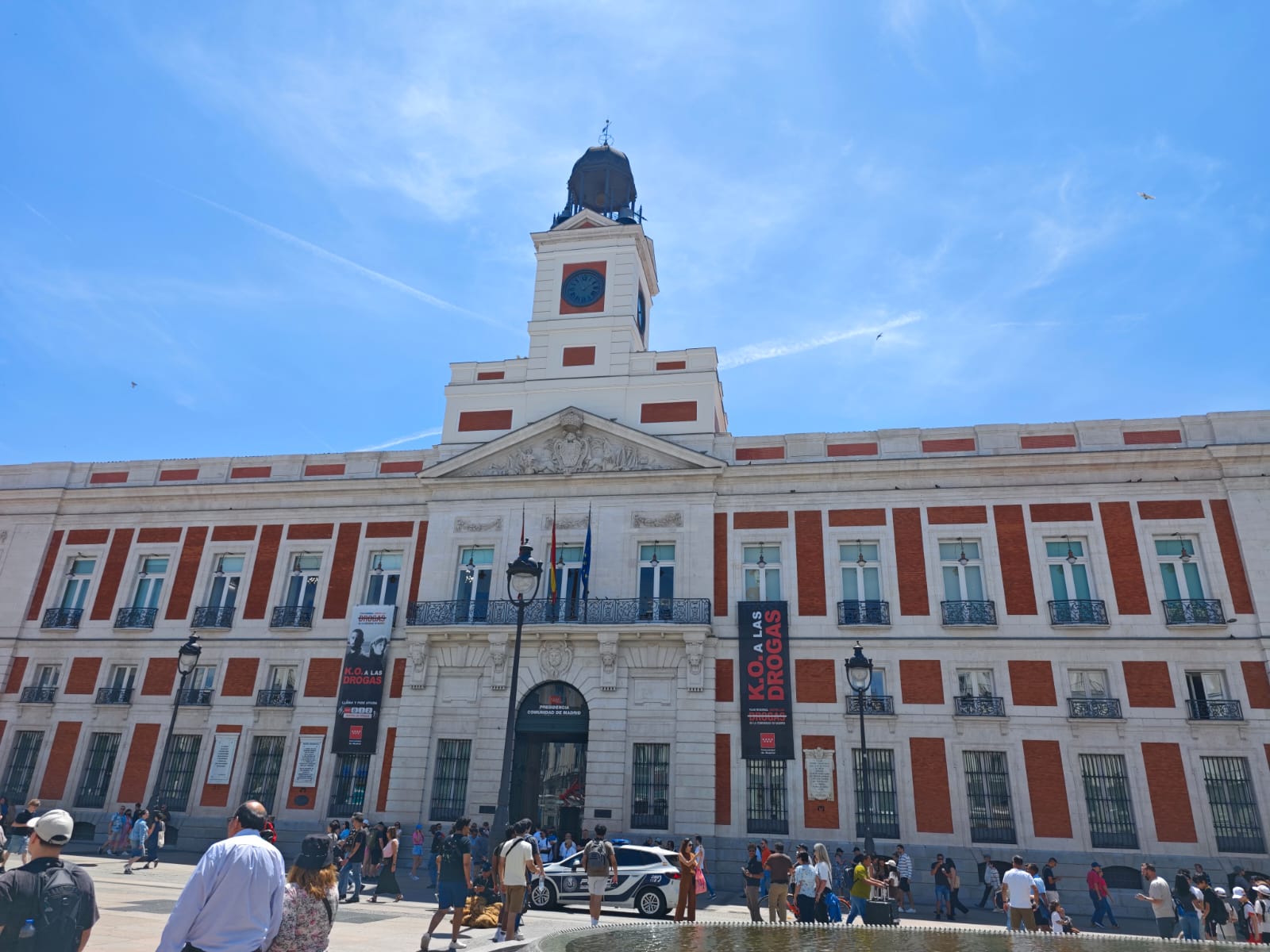
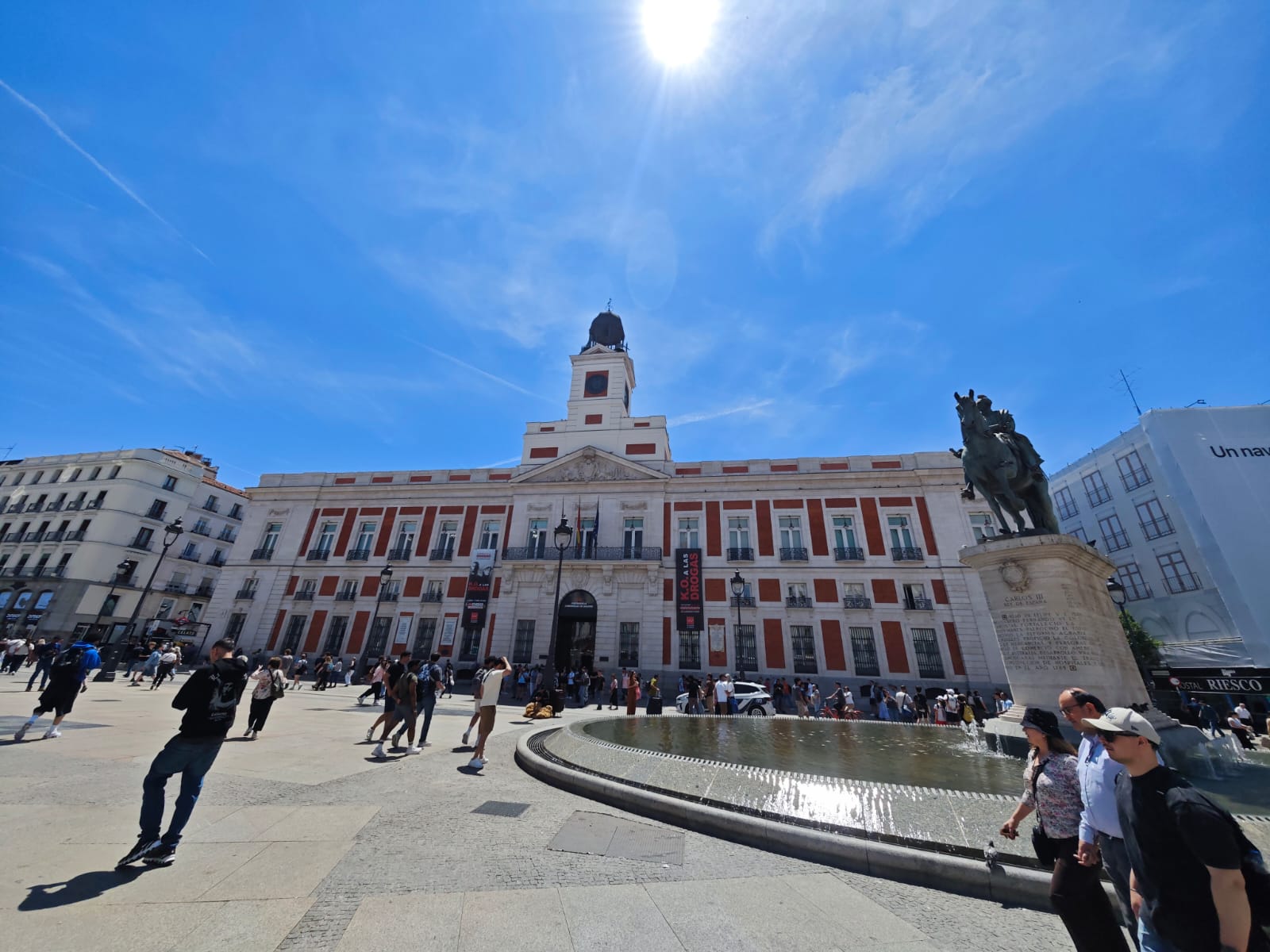
From there I headed to Puerta del Sol. If Plaza de la Villa is concentrated history for those who seek it, Puerta del Sol is history that runs you over whether you want it or not. It's Spain's kilometer zero, literally: all the country's roads are measured from here. The building that draws the most attention is the Real Casa de Correos, the one with the clock tower. That clock is the one that appears on every TV screen every December 31st when all of Spain shoves twelve grapes into their mouths to the rhythm of the chimes. Seeing it in person, without the New Year's Eve context, strips away some magic but adds something else: you realize the building exists all year long, not just that one night.
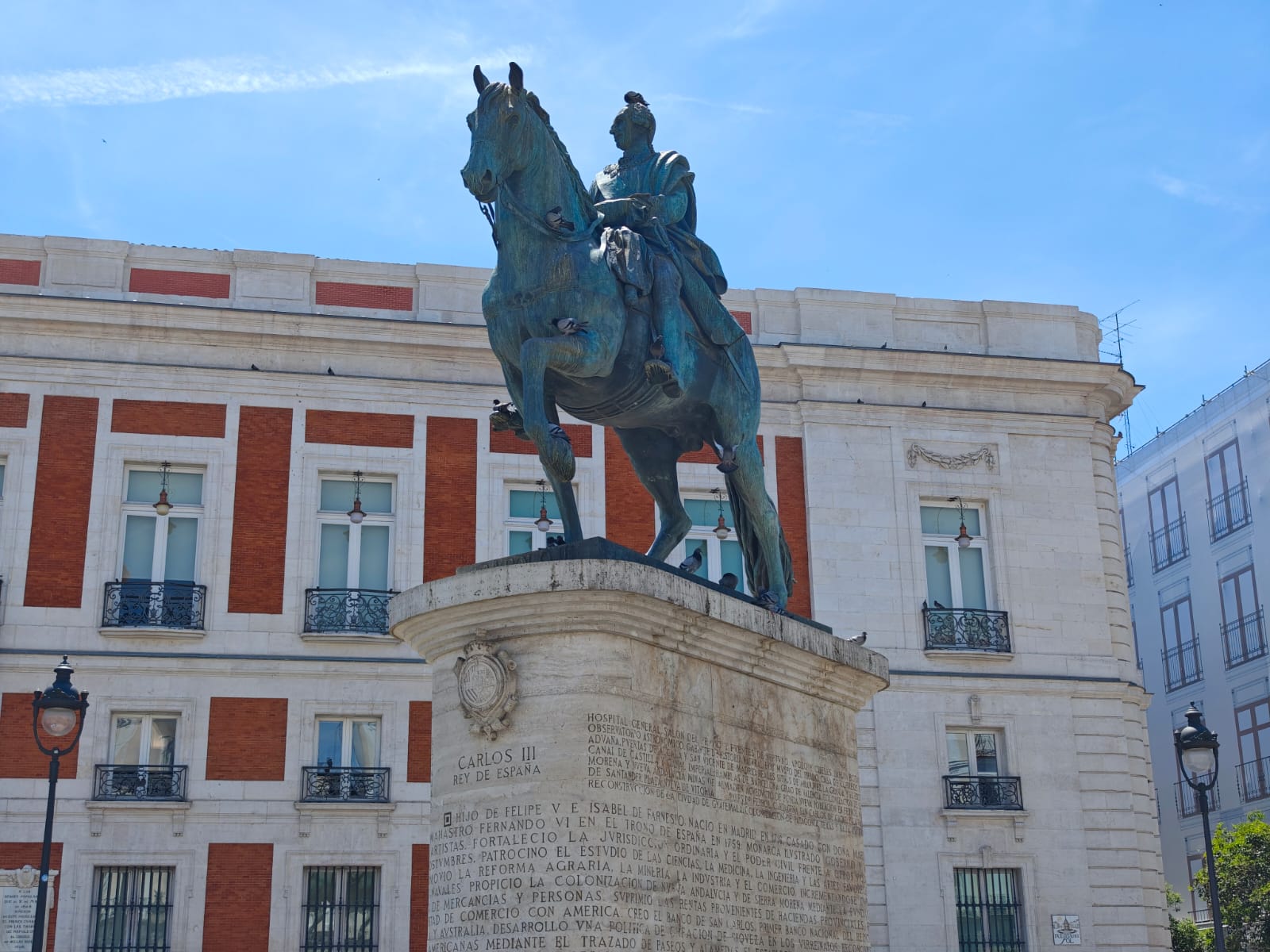
There's also the equestrian statue of Carlos III in front of the building, and the fountain in the central area. Carlos III is the king who modernized Madrid in the 18th century — the one who paved streets, installed public lighting, and basically made the city livable. Madrileños have genuine affection for him, which is rare when it comes to kings.
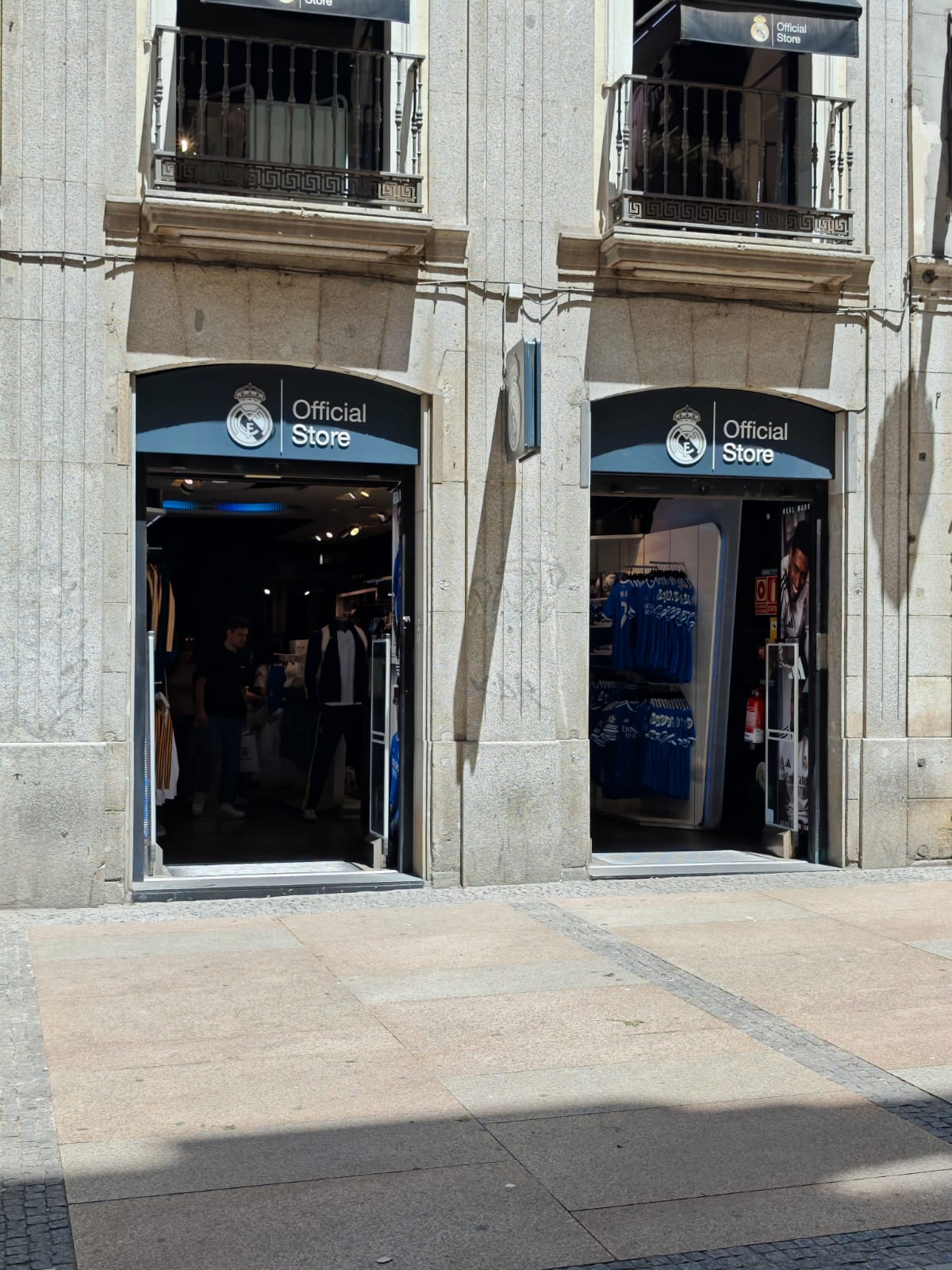
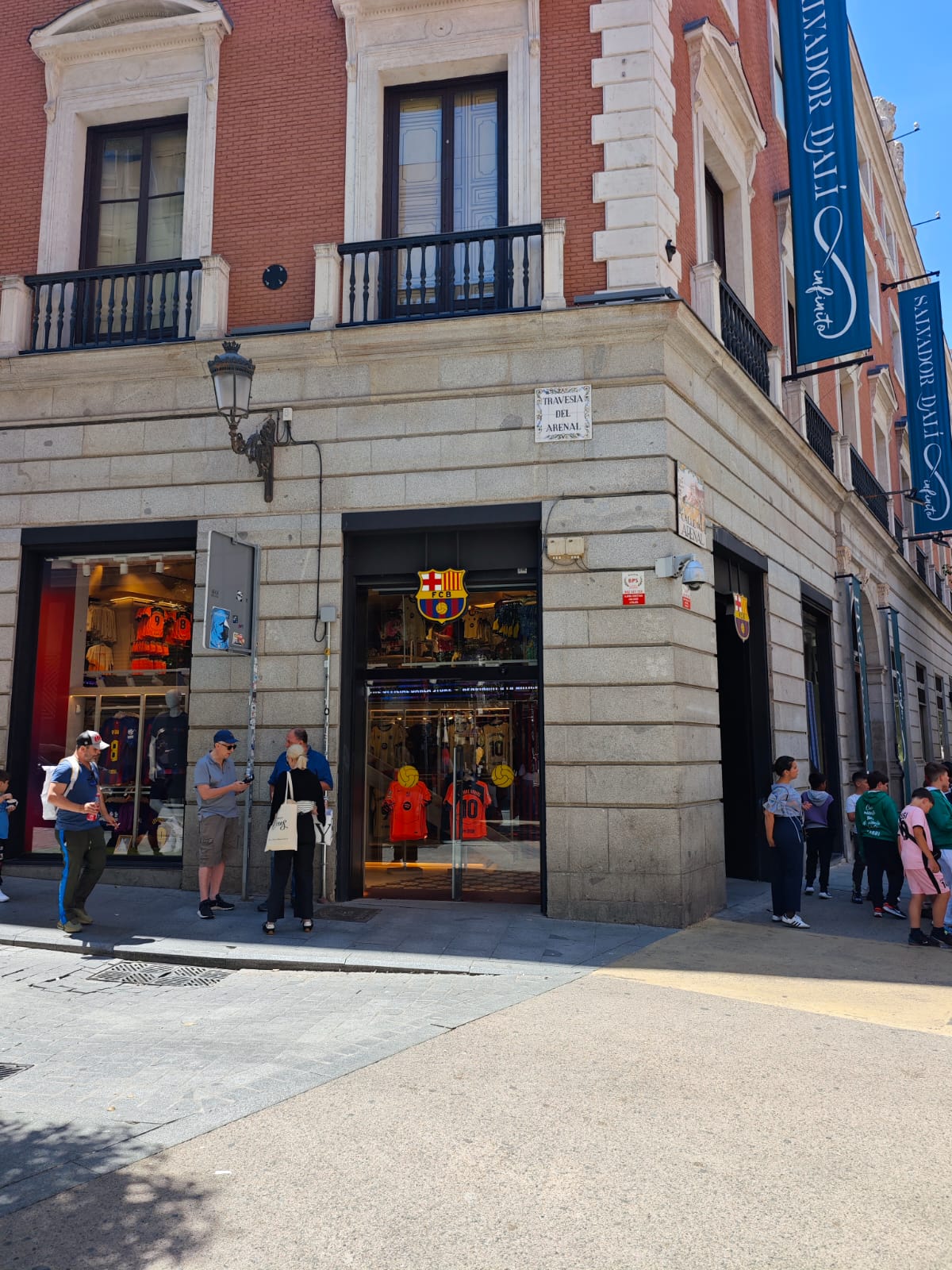
Since I was already in the area, I stopped by the official football stores. The Real Madrid one has its own energy, like everything surrounding that club: excessive, expensive, and somehow irresistible. The Barça store is on Travesía del Arenal, very close to Calle Arenal, which is itself two steps from Puerta del Sol. The fact that Barcelona's official store sits in the heart of historic Madrid has something poetic — or ironic — about it, depending on who you ask.
For lunch I went to Mercado de San Miguel. It's right next to Plaza Mayor and has a reputation as one of Madrid's best gastronomic markets. The iron architecture of the building is genuinely beautiful. Inside I tried a lobster burger, octopus skewer, and meatballs. All correct, presentable, Instagram-ready. But honestly: not as good as what I ate the day before. The market has that thing many famous places have: they live a little off their reputation. It's not bad, but it won't blow your mind either. If you go, calibrate your expectations.
Madrid gave me exactly what I needed before the next leg: context, history, and the feeling of standing somewhere that actually mattered. Tonight I fly to Ibiza. The contrast is going to be brutal, and that's exactly the point.
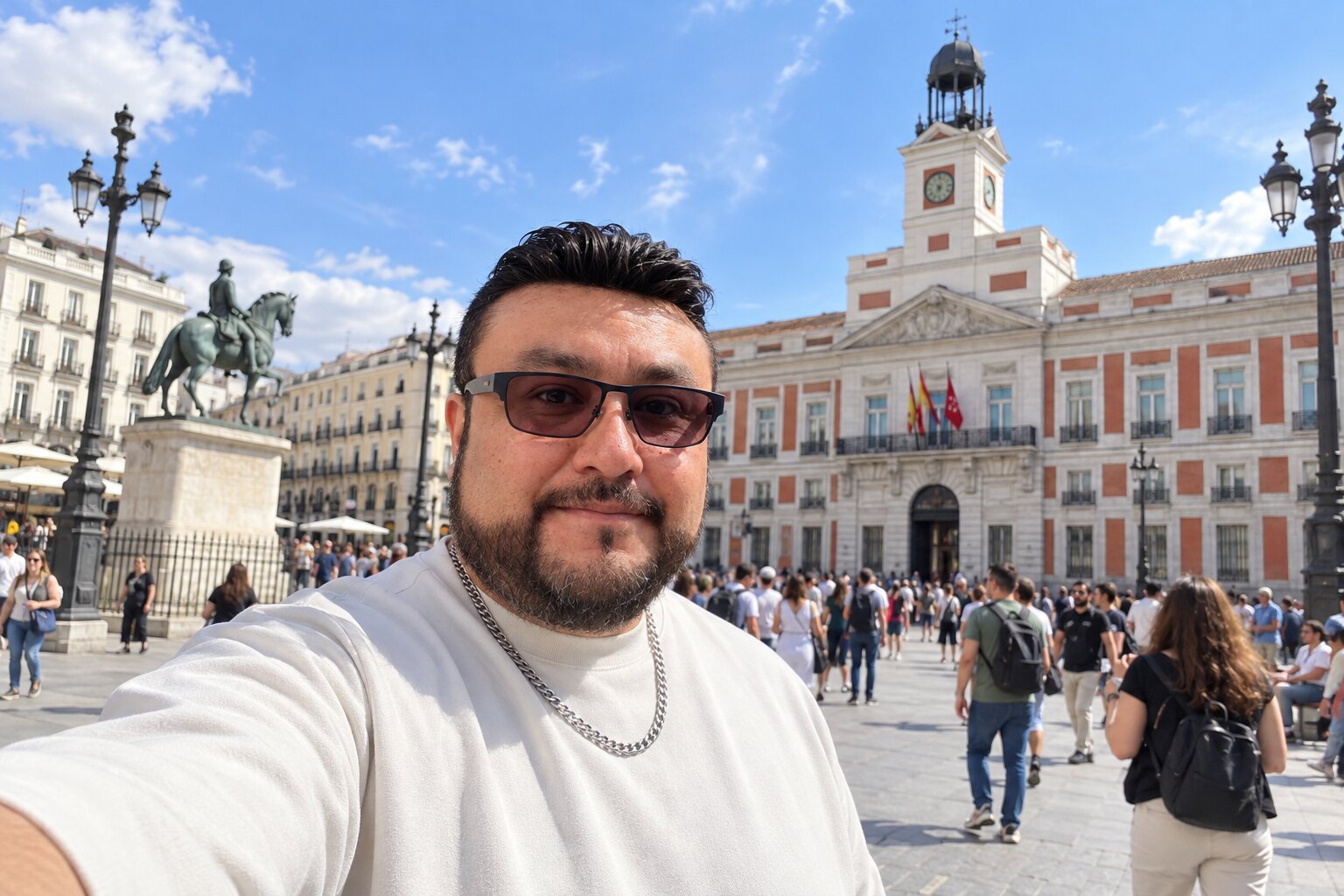
Me at Puerta del Sol
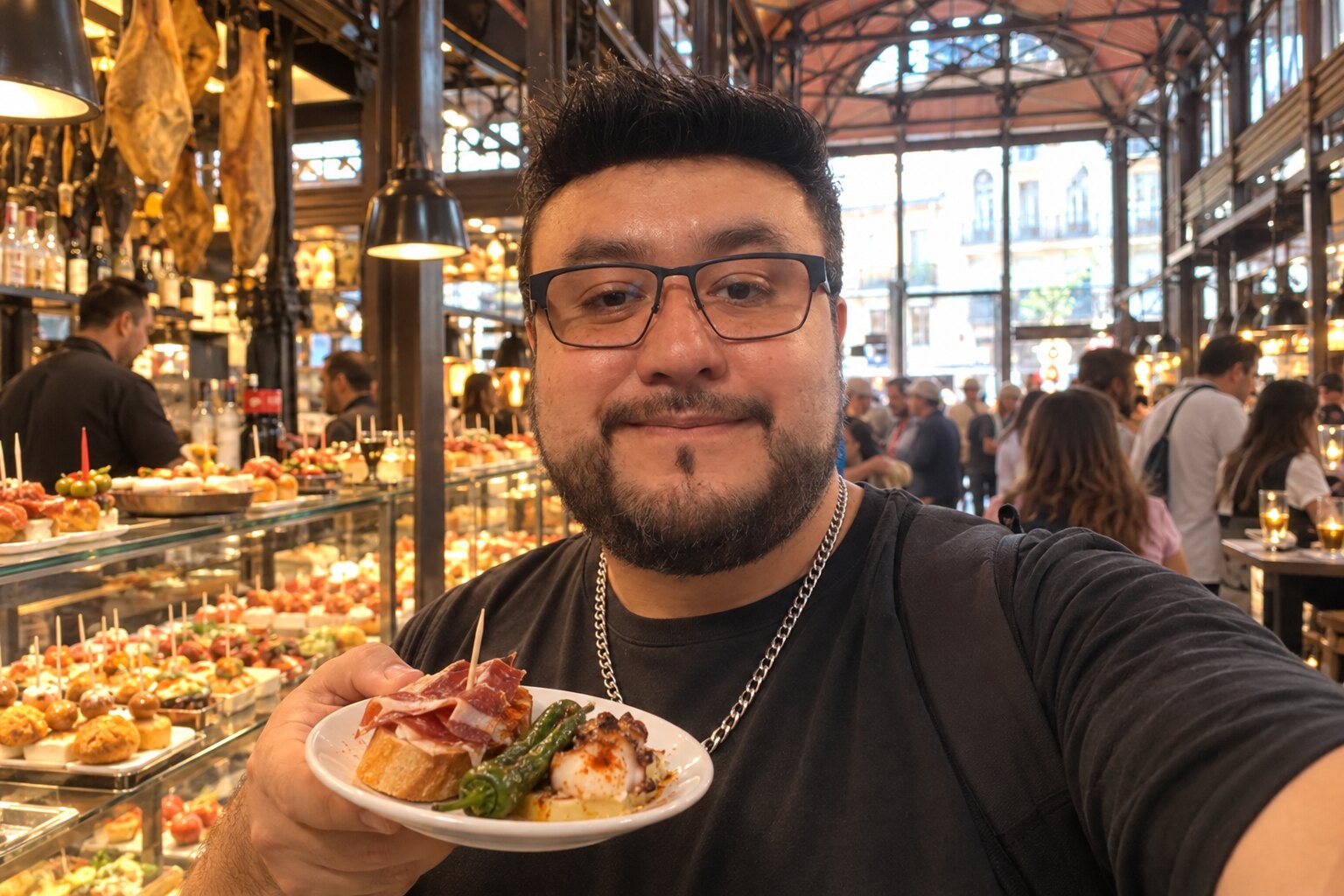
Me at Mercado de San Miguel