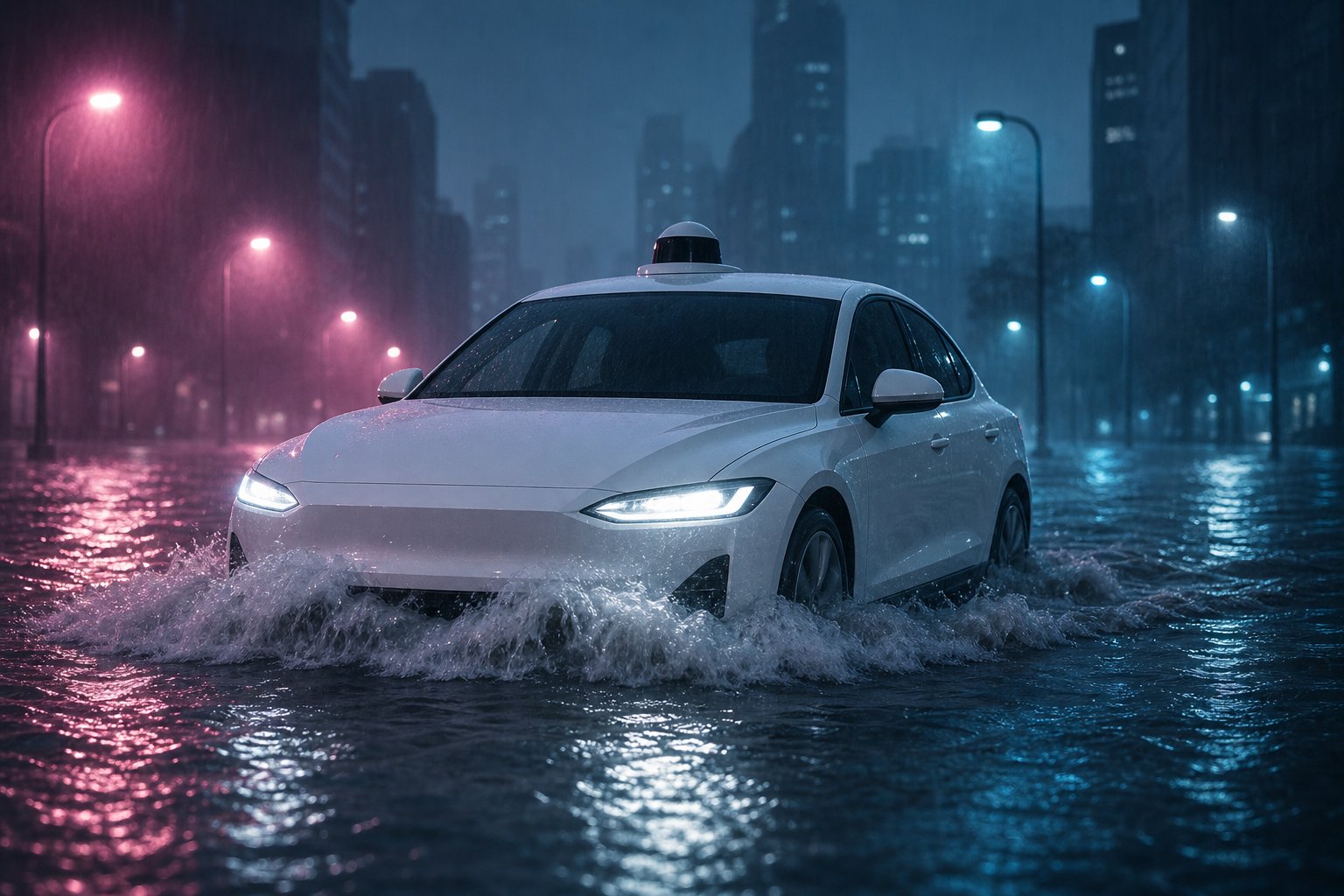
Waymo, the autonomous driving company that prides itself on having the world's safest transportation system, is navigating one of those moments that no public relations department ever wants to handle: its robotaxis have been driving into flooded streets for weeks as if water were just a minor inconvenience, and now the company has been forced to pause service in four cities while it figures out why its vehicles don't understand that a submerged road is not a drivable road. Atlanta and San Antonio are the two most recent cities to join this forced pause, and the picture it paints is hard to spin: the artificial intelligence that's supposed to outperform human drivers can't reliably tell the difference between dry asphalt and an improvised river running down a city avenue.
The problem nobody wanted to see coming
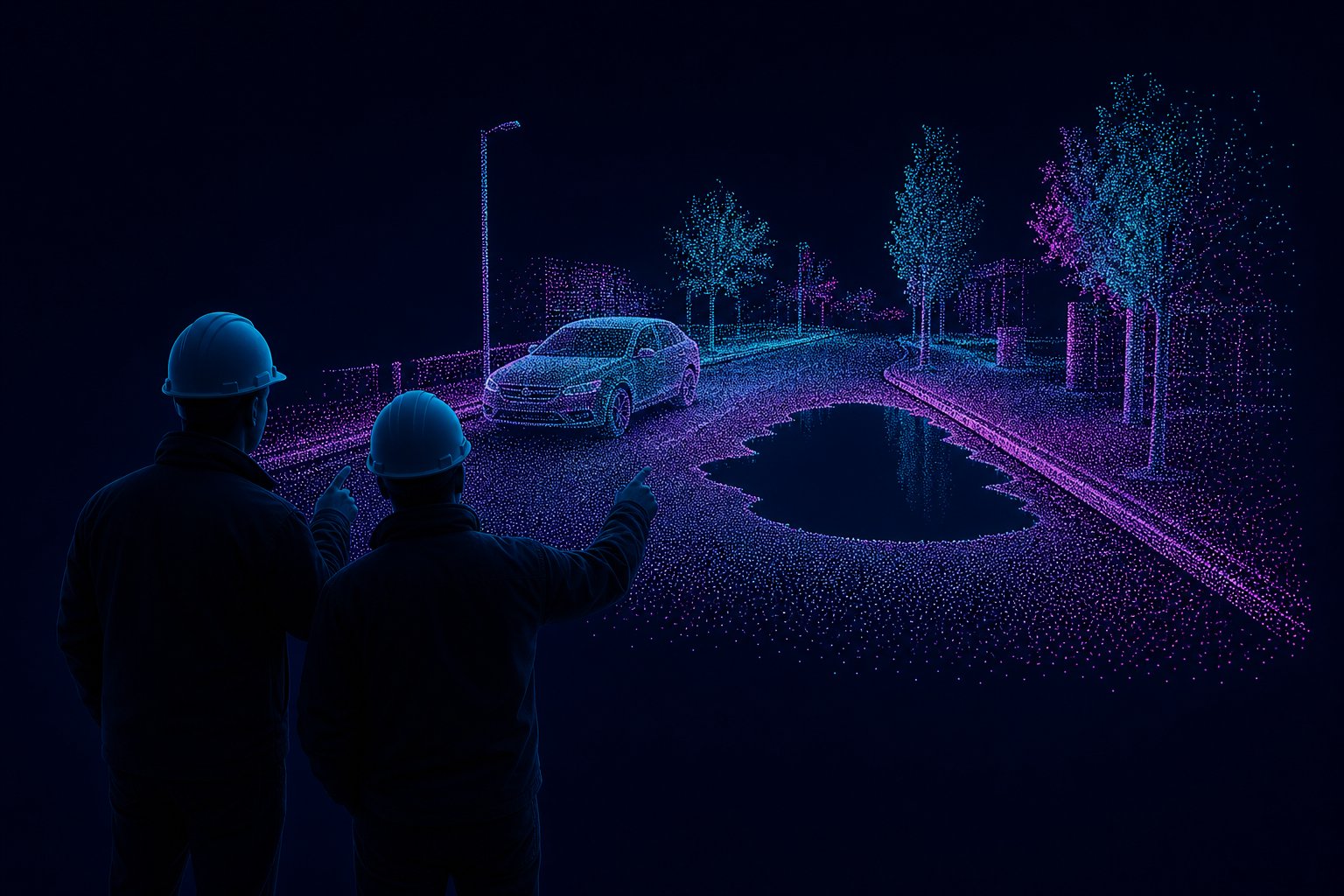
What makes this episode interesting isn't just the technical failure itself, but what it reveals about the real limits of autonomous driving in extreme weather conditions. Waymo's perception systems, built on a combination of LiDAR, cameras, and radar, are trained to navigate urban environments across a range of conditions, but reliable detection of moving water over a flat surface remains an unsolved problem for virtually the entire industry. Water doesn't reflect LiDAR the same way asphalt does, it can appear as a traversable surface in perception models, and if the vehicle's vector map says there's a road there, the system tends to trust the map over real-time sensor data.
This is not a minor bug or a rare edge case. It's a structural limitation that strikes at the heart of how these systems make decisions: the hierarchy between the pre-built map and real-time perception. When the two conflict, the system has to decide which one to believe, and in the case of flooded streets, Waymo clearly hadn't calibrated that hierarchy correctly.
Four cities, one pattern
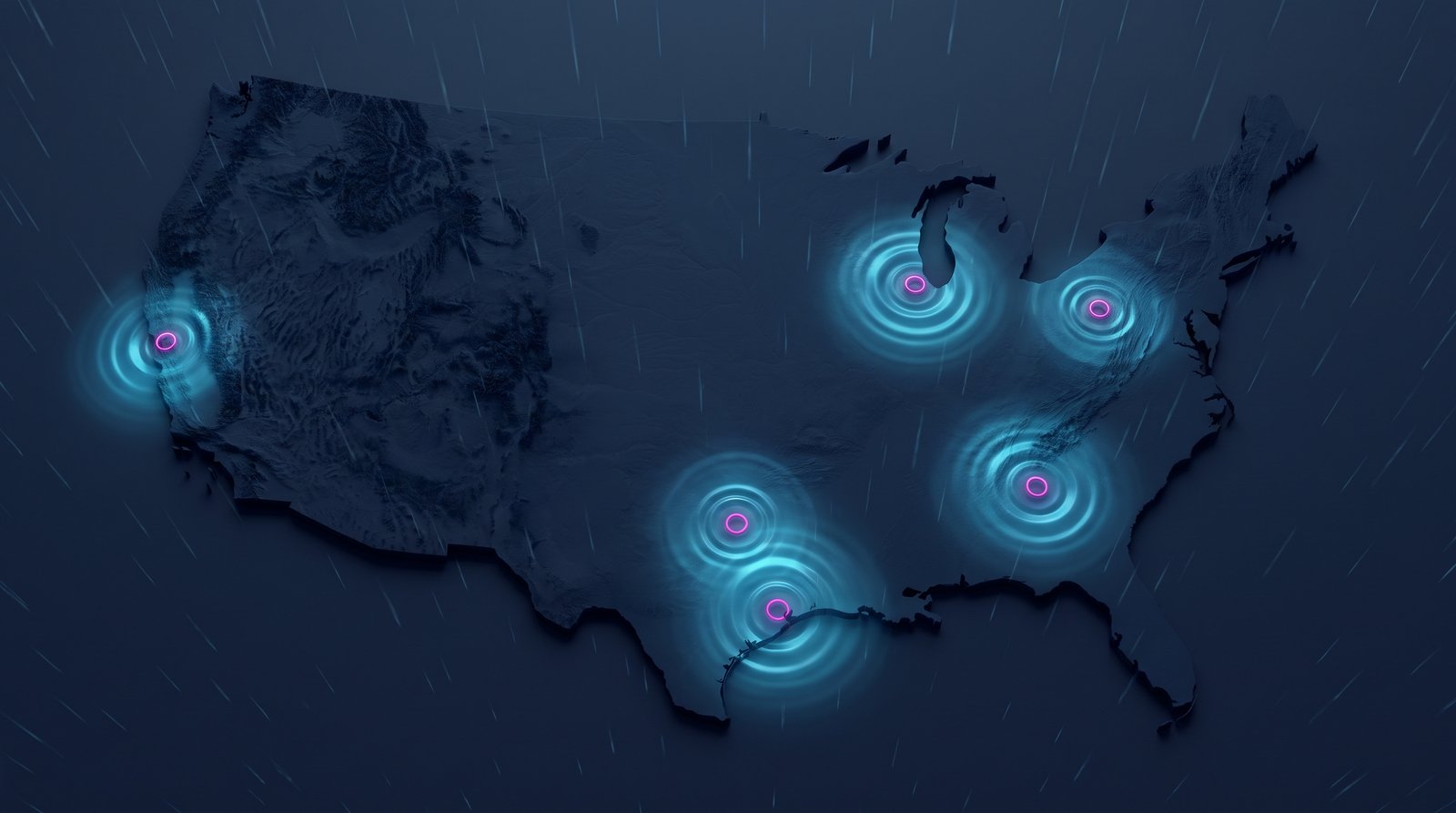
The expansion of the pause to four cities rather than one or two suggests the problem is neither localized nor specific to any particular region's climate. Waymo operates in cities with very different rainfall profiles, from Phoenix, where rain is rare but intense when it hits, to southeastern cities with more frequent precipitation. The fact that the same problematic behavior is showing up across multiple markets indicates the failure lives in the base system, not in the particular conditions of any one city.
San Antonio and Atlanta share something relevant: both have experienced more frequent and intense urban flooding events in recent years, a pattern tied to climate change that is redefining what "normal driving conditions" means in cities that previously didn't treat flash floods as an everyday risk. Autonomous systems trained on historical data face an additional challenge here: the past is no longer a reliable guide to the present.
What this says about the industry
Waymo is, by general consensus, the world's most advanced robotaxi operator right now. It's not a startup with pretty renders and empty promises: it has millions of miles logged, real passengers, and an operational network across multiple cities. If Waymo has this problem, it's reasonable to assume the rest of the industry has it too, just with less public exposure because they operate at smaller scale.
The decision to pause service rather than keep running and wait for vehicles to learn on the fly is, it must be said, the right call. But it also reveals that the "launch and iterate" deployment model has serious friction when failures happen in the physical world rather than on a server. Every robotaxi stuck in a flood is a vehicle that can block emergency traffic, sustain irreparable damage, or in the worst case, put the passenger inside at risk.
The elephant in the room: the climate
There's a bigger conversation that the autonomous vehicle industry isn't having out loud: climate change is making operating environments fundamentally less predictable. Cities that were once considered "safe" for autonomous vehicle deployment are experiencing extreme weather events with greater frequency. Extreme heat affecting sensors, flash floods, dust storms, hail — all of these represent out-of-distribution conditions for systems trained on recent historical data.
The question Waymo needs to answer, and that the entire industry should be answering, isn't just "how do we stop the car from driving into water this time," but "how do we build systems that are robust to a climate that's changing faster than our training cycles." That's an engineering question, yes, but also one of epistemic humility about what current models can and cannot handle.
For now, if you live in Atlanta or San Antonio and were counting on a Waymo to get around, you'll need to find alternatives. The most sophisticated robotaxi in the world is on pause because it doesn't know that water is wet.