Berlín: 2 días caminando 300 años de historia (y me rechazaron en Berghain)
Now that I'm on the train to Innsbruck I can sit down and write this properly. Berlin left me speechless, and that doesn't happen often. Two days walking through a city that is literally an open-air museum, where every corner has layers upon layers of history: Prussia, the German Empire, Nazism, the Cold War, reunification. All in the same neighborhood, sometimes on the same block. I'm not exaggerating when I say that in 20 minutes of walking you can cross 300 years of history without leaving the same area. Berlin is one of those cities that forces you to think, whether you want to or not.
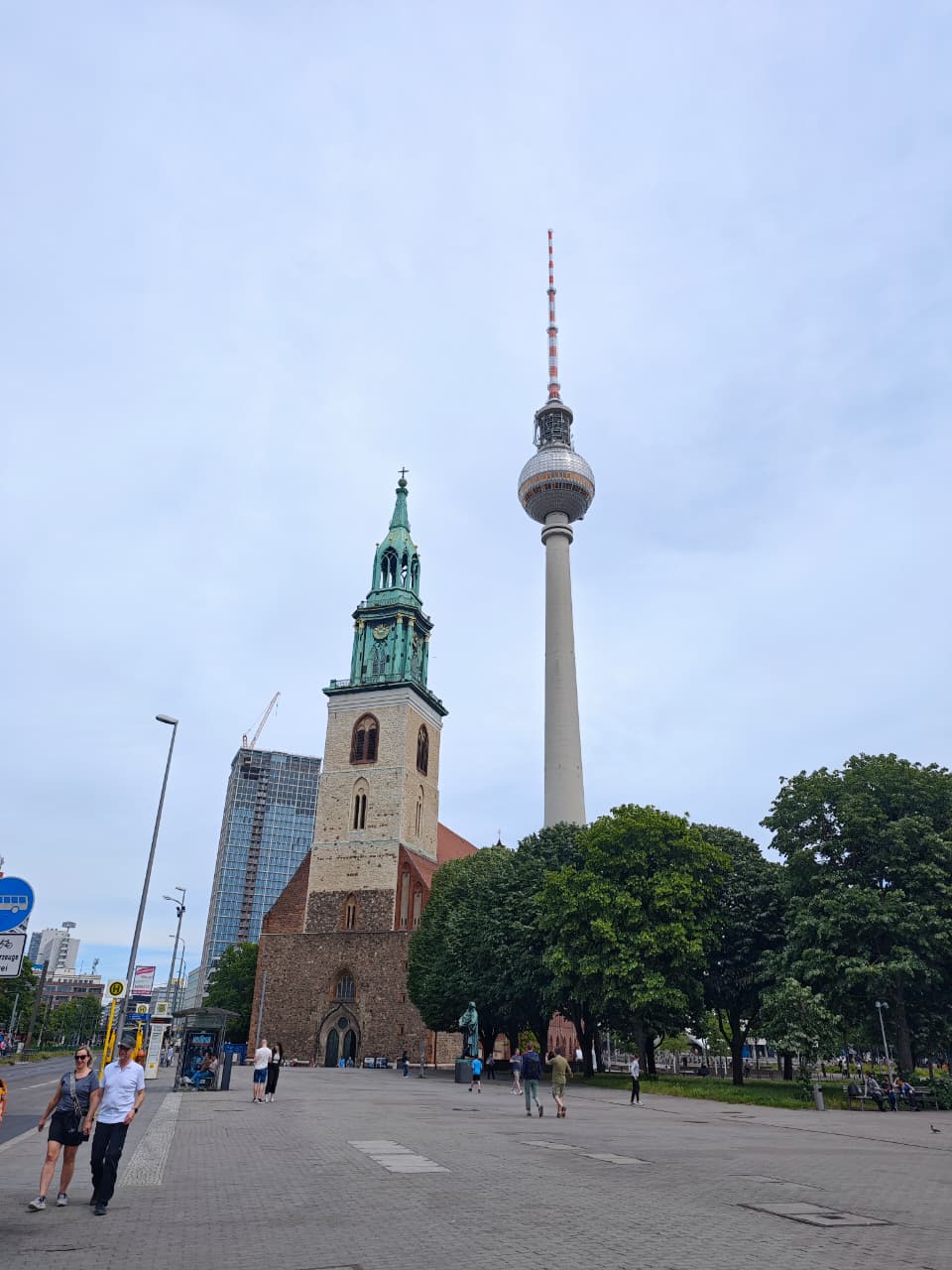
We started at the TV Tower and St. Mary's Church (Marienkirche). The church is one of the few original medieval structures that survived the war. Parts of it date back to the 13th century. The tower, on the other hand, is a symbol of the former East Germany: the communist government inaugurated it in 1969 to demonstrate socialist technological power. The ironic detail: the leaders were officially atheists, but when the sun reflects off the metallic sphere, a luminous cross appears. Berliners nicknamed it "The Pope's Revenge". The kind of detail they don't teach you in school but that says everything about what that regime was.
Then we passed the Reich Aviation Ministry on Wilhelmstraße. This building was Hermann Göring's headquarters. It's one of the few Nazi government buildings that survived the war almost intact. It survived the Third Reich, the bombings, the Soviet occupation, the GDR, and today it's still used by the German government. There's something unsettling about that. I don't know if it's institutional courage or just German pragmatism, but the building is still standing, as if nothing happened.
The Holocaust Memorial stopped me. It's 2,711 concrete stelae with no official single interpretation. Each person must experience the space and draw their own conclusions. That's why as you walk toward the center the blocks get taller and the ground more uneven. The feeling is deliberately uncomfortable. Visually it seemed normal to me, but there's something in the atmosphere... something heavy that you can't quite locate. I can't explain it better than that.
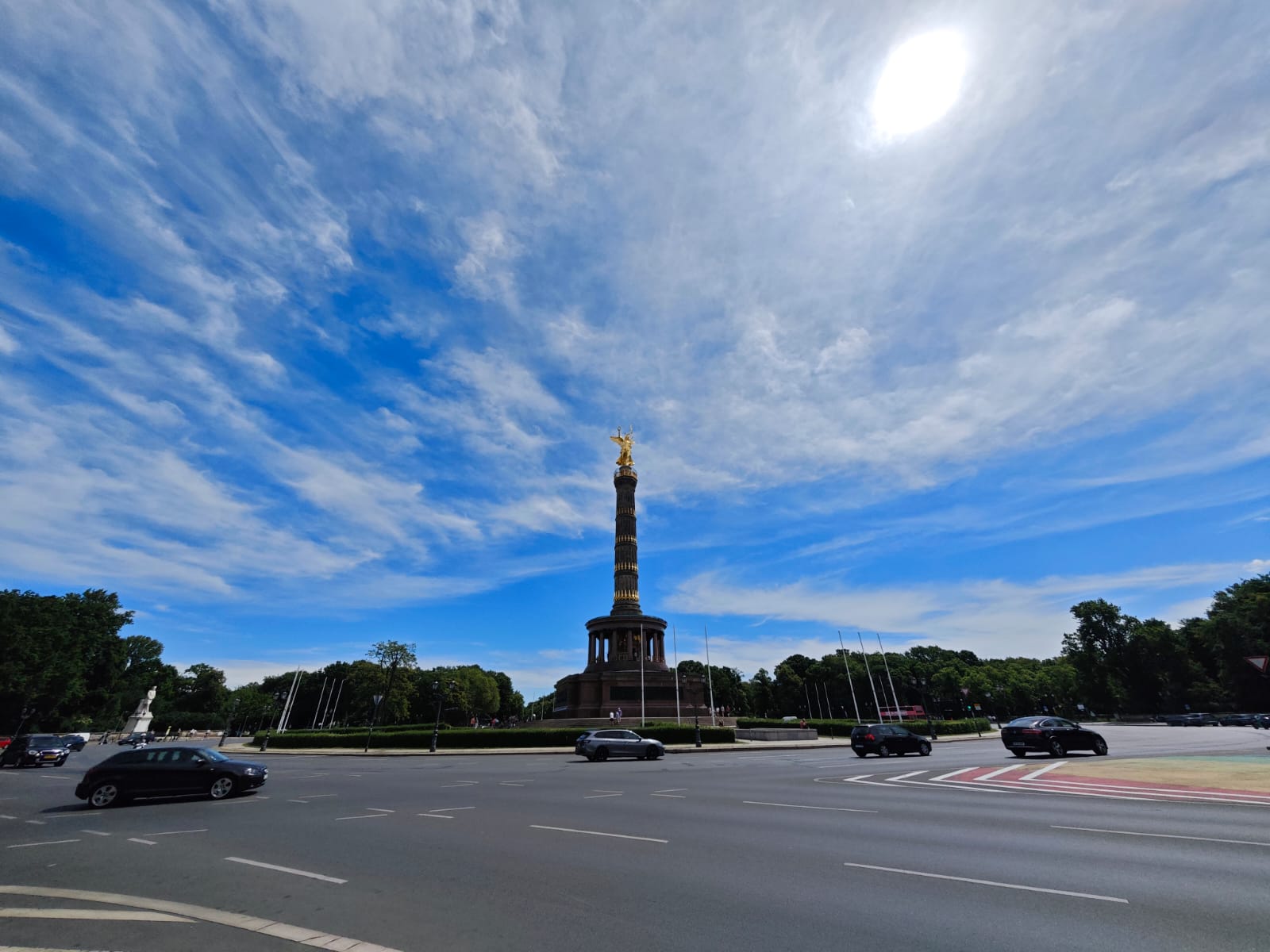
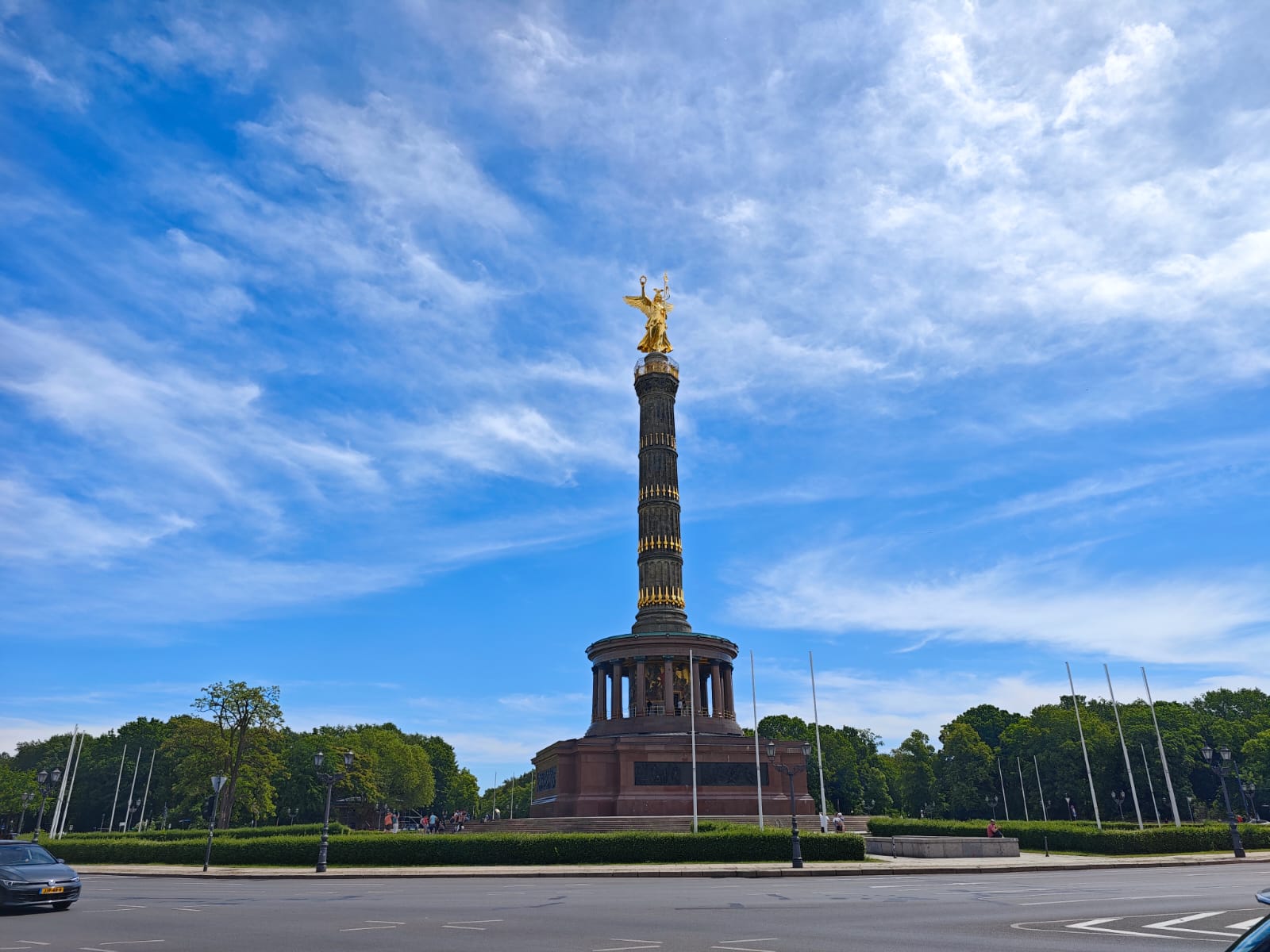
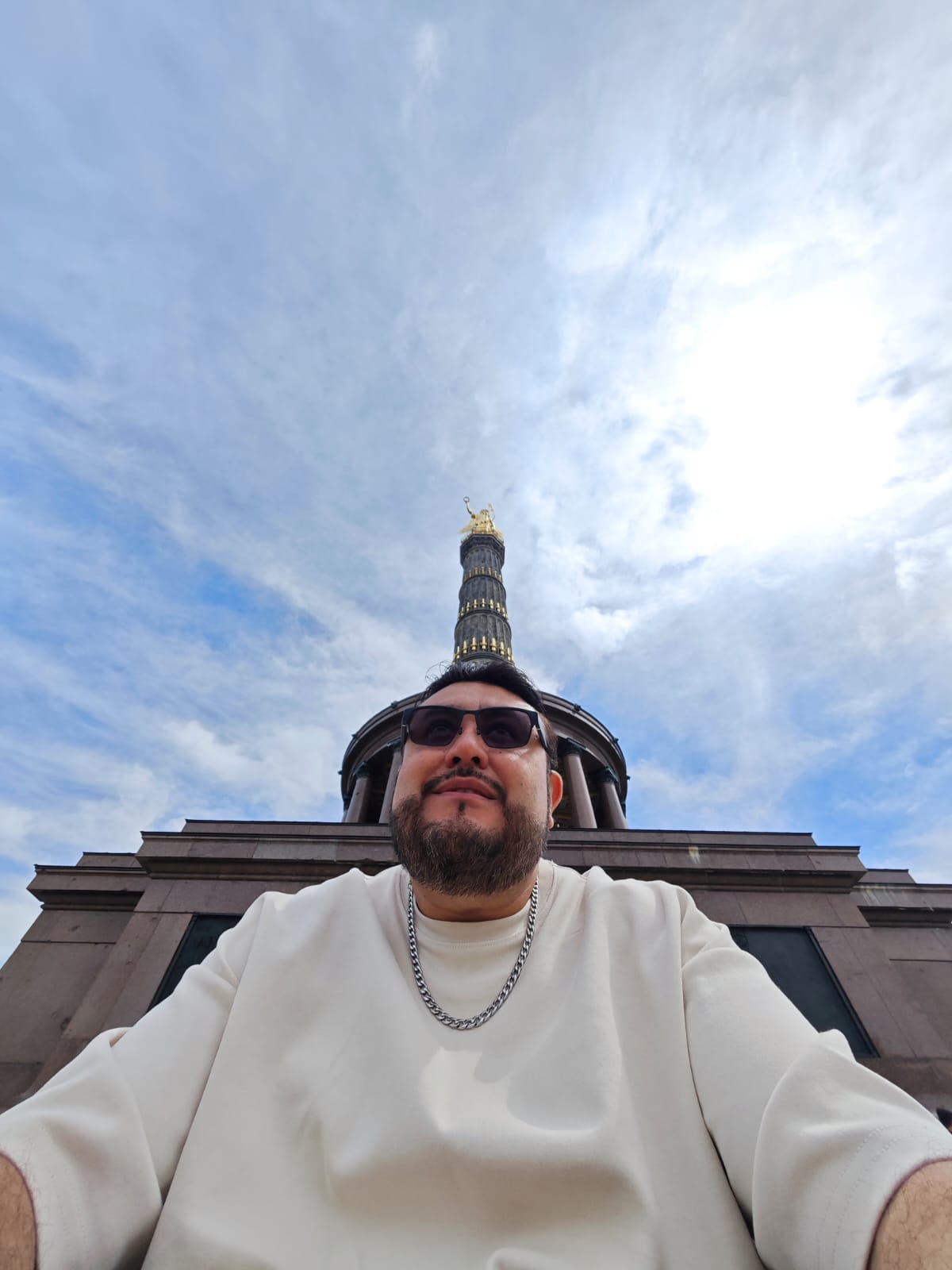
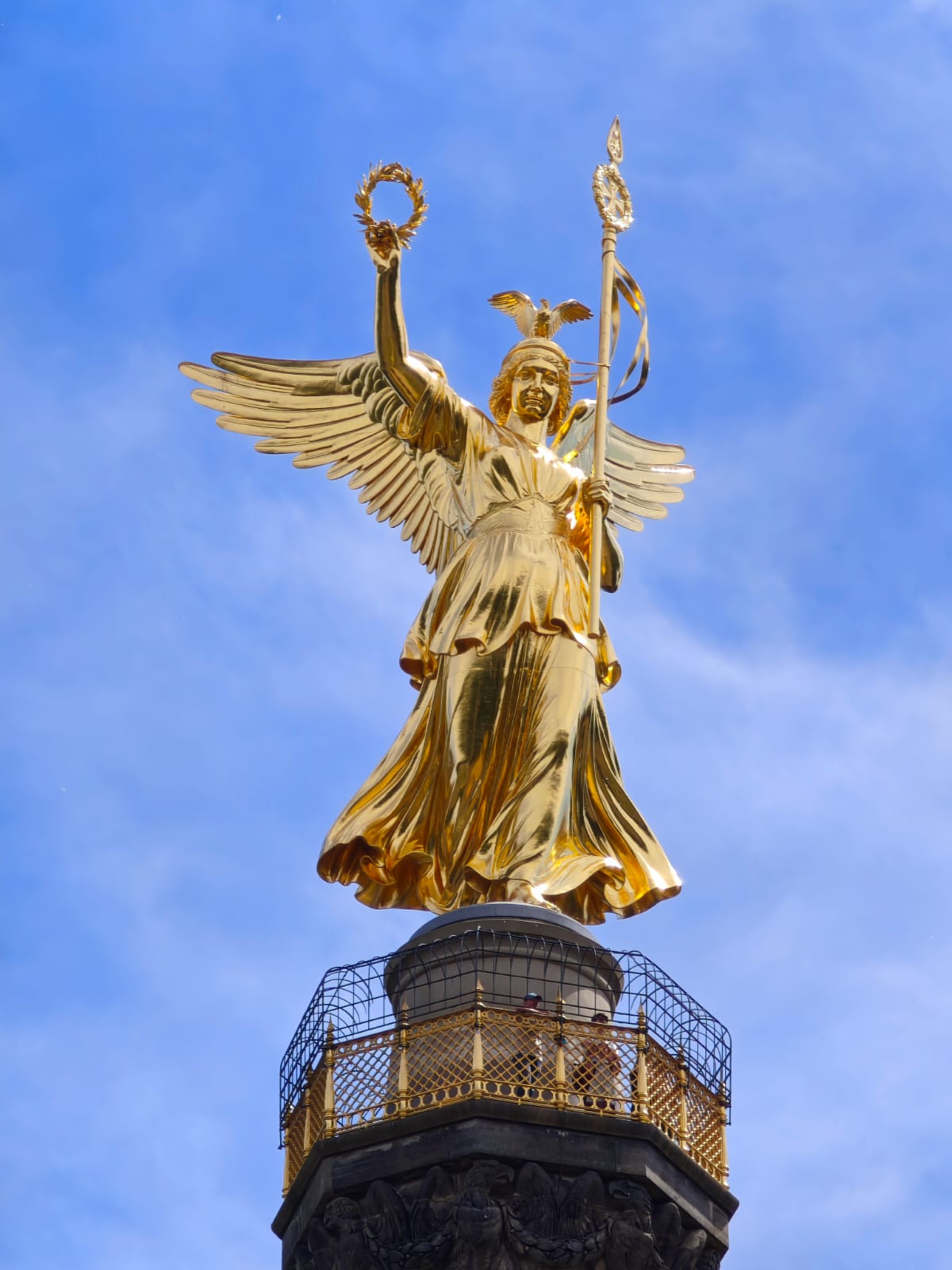
The Victory Column (Siegessäule) was built to celebrate Prussian victories over Denmark, Austria, and France — the wars that ended up unifying Germany. Something I didn't know: it was originally in front of the Reichstag. Hitler ordered it moved to its current location during plans to transform Berlin into the gigantic "Germania." That megalomaniac project never happened, but the column stayed where he put it.
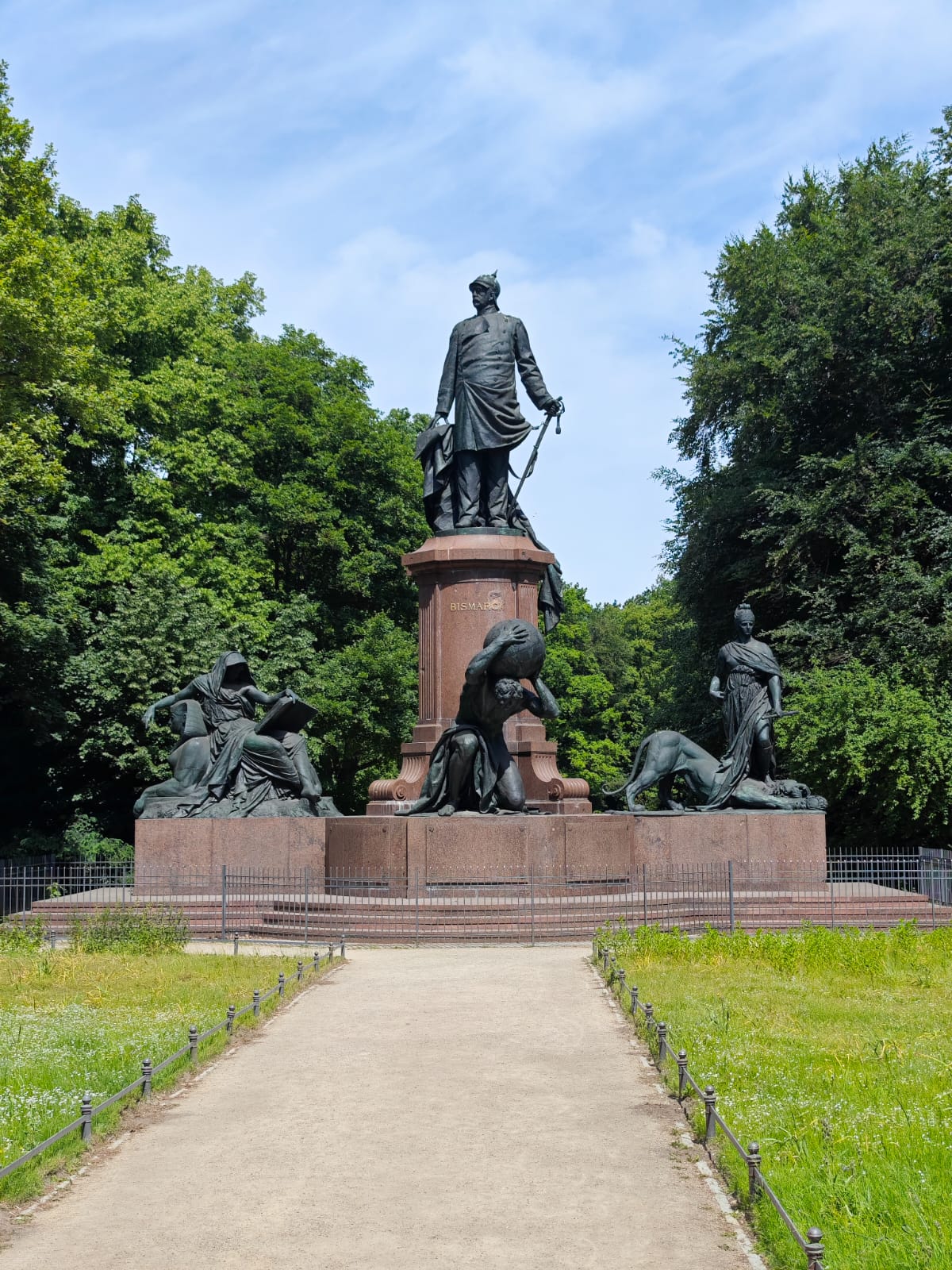
Right there stands the Bismarck Monument. Otto von Bismarck was probably the most important German politician of the 19th century, the "Iron Chancellor" and architect of German unification in 1871. For many Germans he occupies a role similar to Benito Juárez in Mexico, though with a far more military and geopolitical profile. Without him, Germany as a unified state probably wouldn't exist.
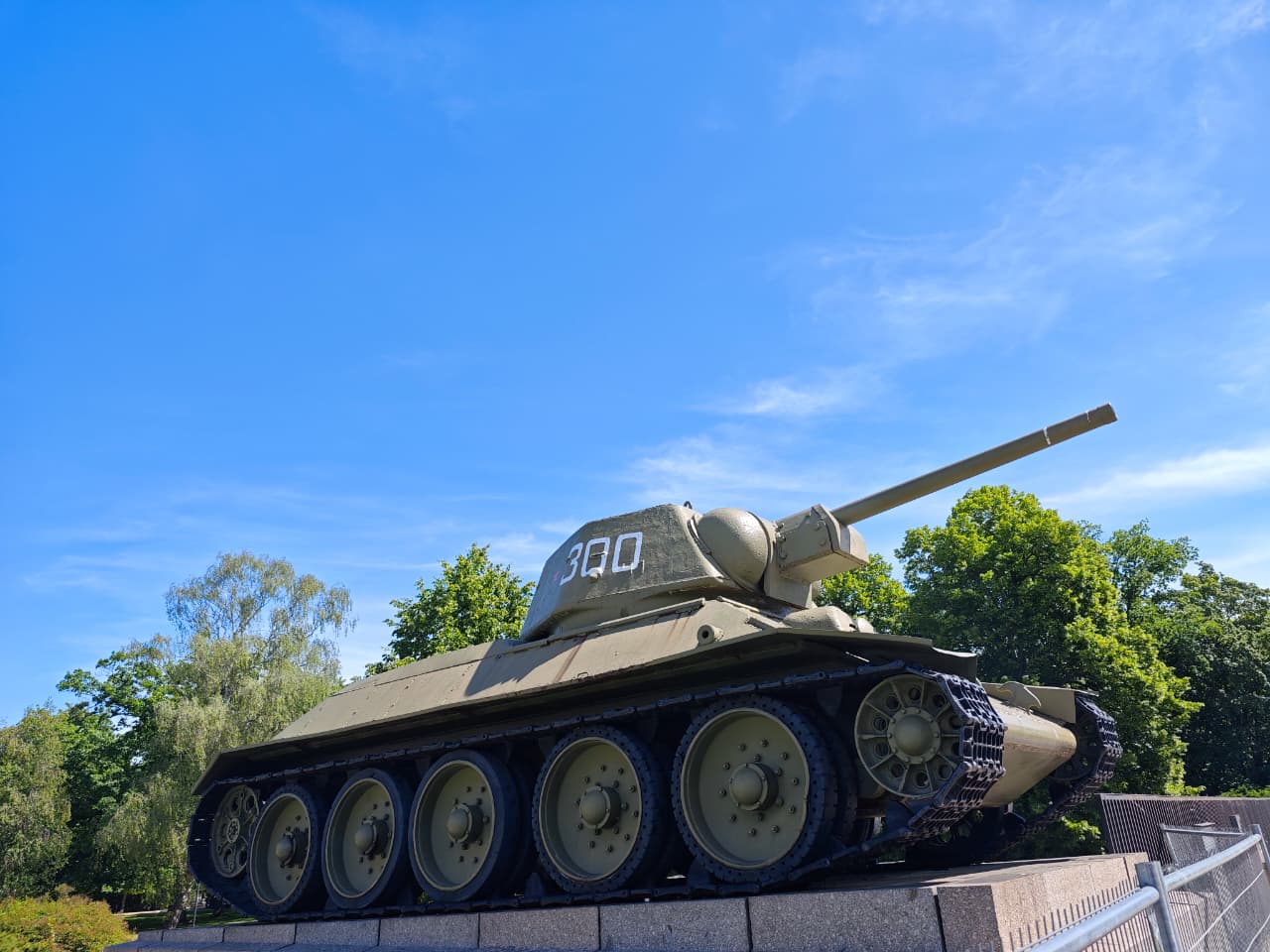
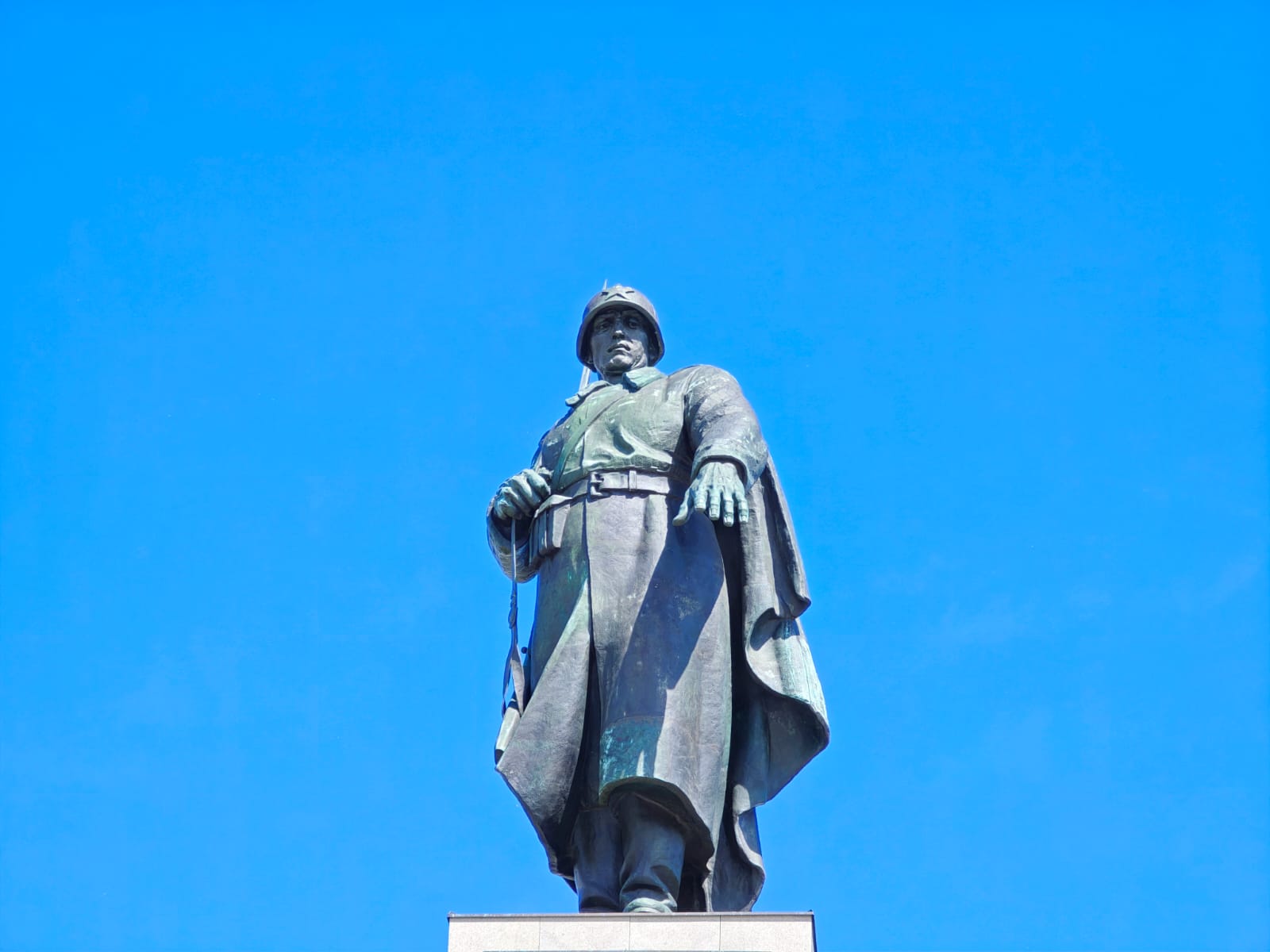
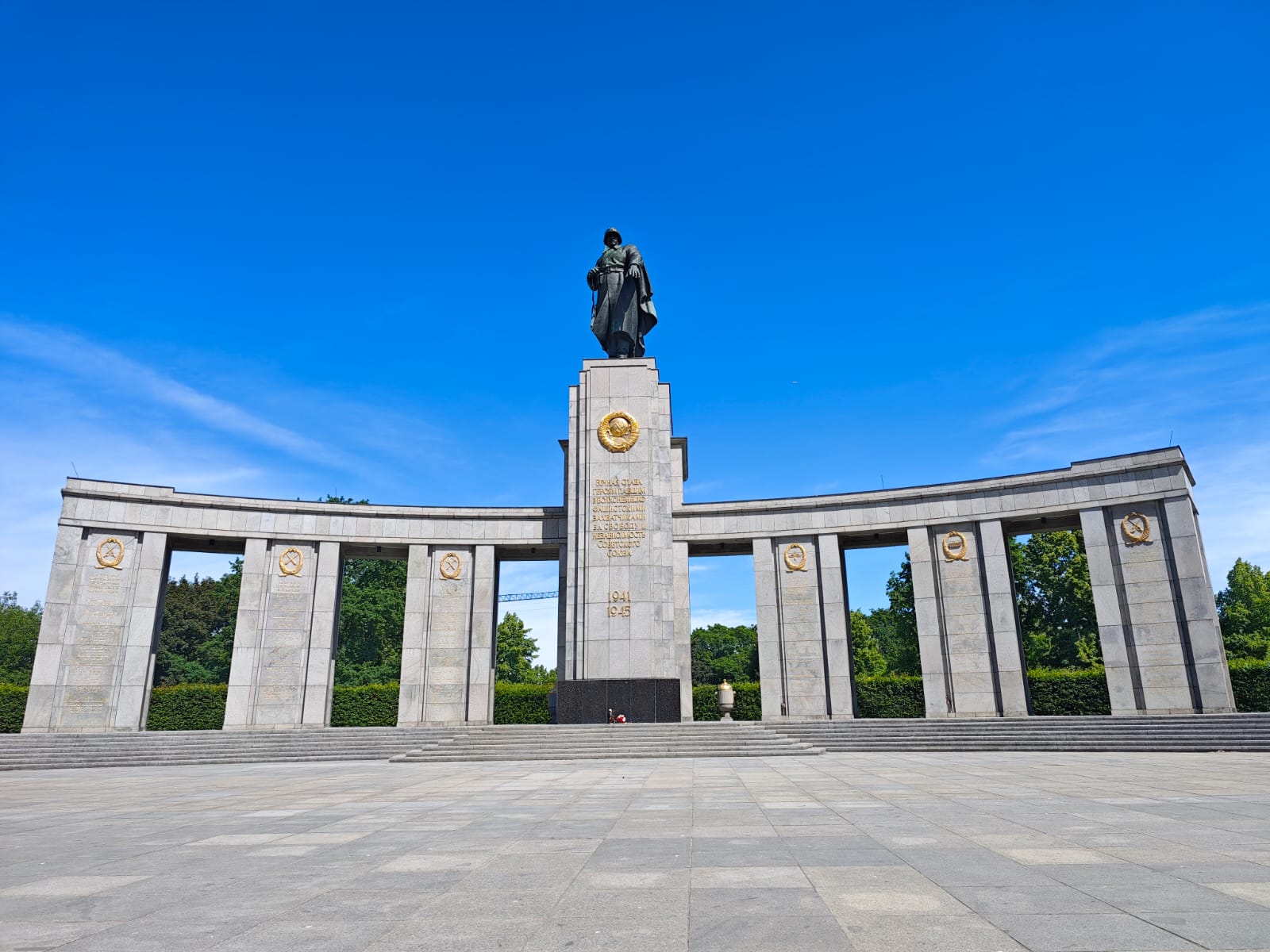
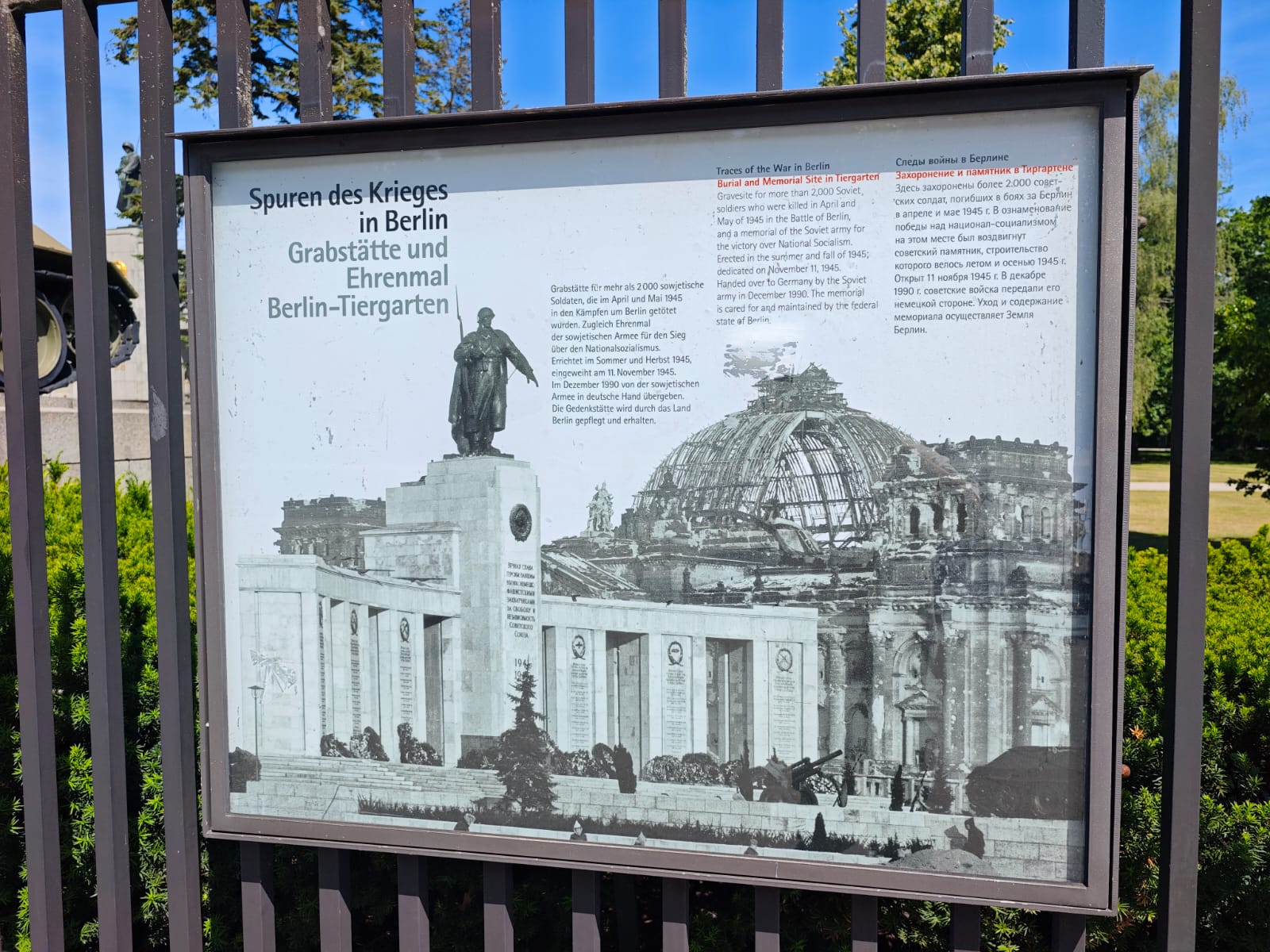
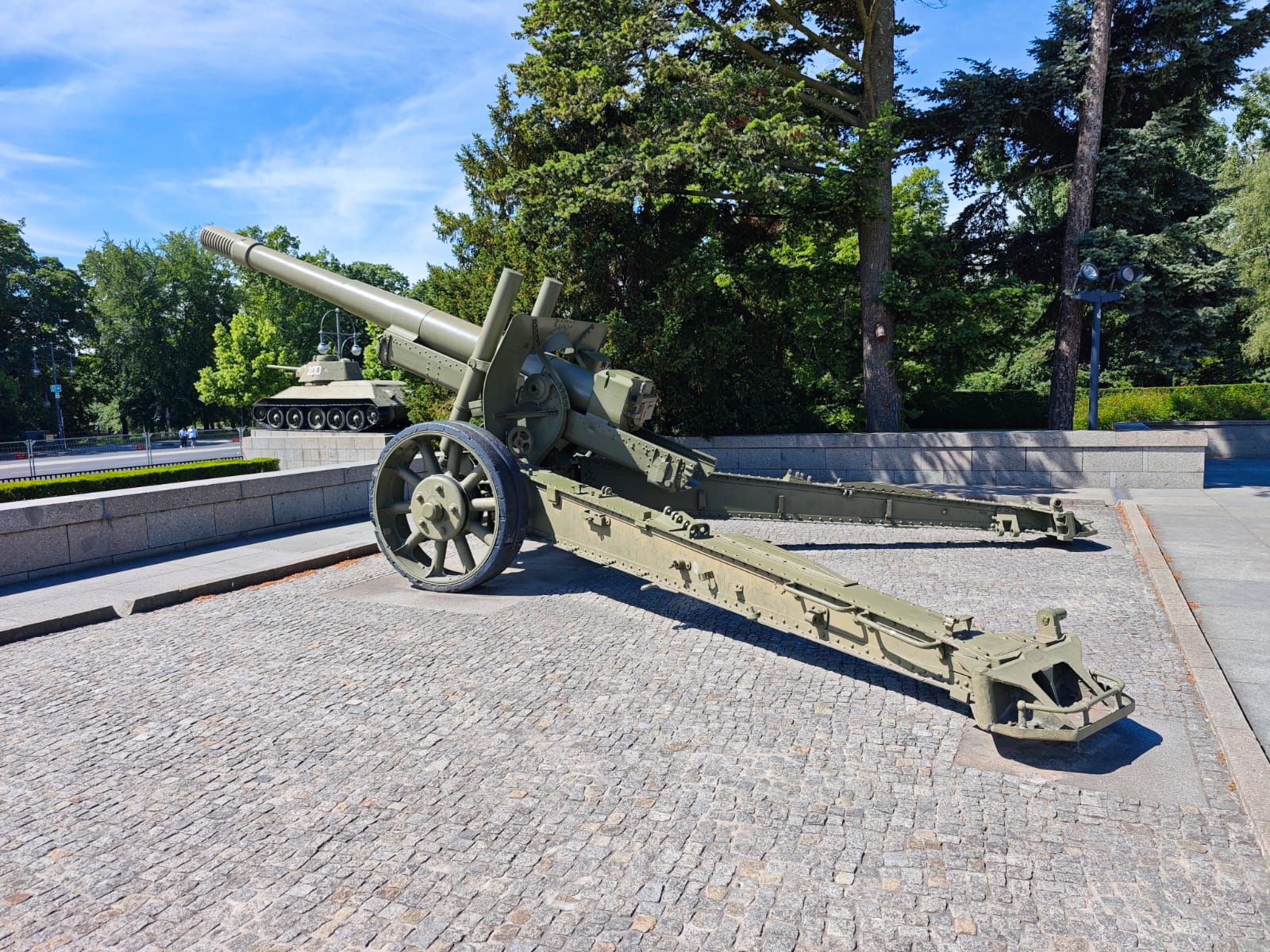
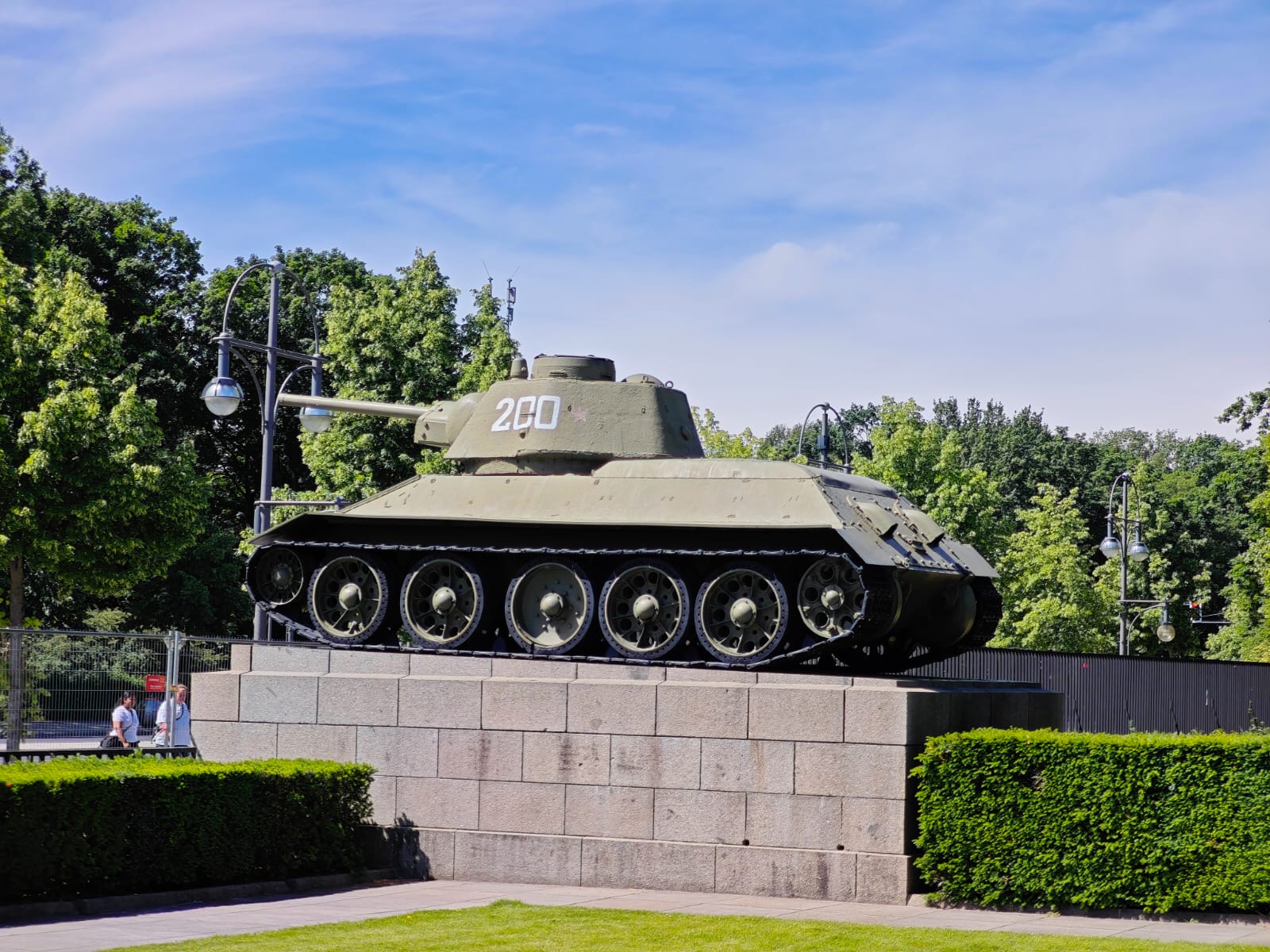
Then we reached the Soviet War Memorial in the Tiergarten, and this is one of the most fascinating sites of the whole tour. Built in 1945 by the Soviet Union to commemorate soldiers who died in the Battle of Berlin. The irony: when Berlin was divided, the memorial ended up in West Berlin. Throughout the entire Cold War, British soldiers guarded a Soviet monument. A completely surreal situation that perfectly summarizes how absurd that period was.
And here I have to say something I didn't expect. I didn't believe it until I got to Berlin, but I saw it and talked about it with some people: in Berlin there is genuine respect toward Russians. They are part of the city's culture and history in a way that we don't really understand from our side of the Atlantic. In Mexico and generally in Latin America we have a very romanticized version of history from the American perspective. But for those who lived on the communist side, things weren't all bad. There are people who still defend what that system was, though you have to be careful: it's not current communism they're defending, but a lived experience from before the fall of the wall. That made me think a lot.
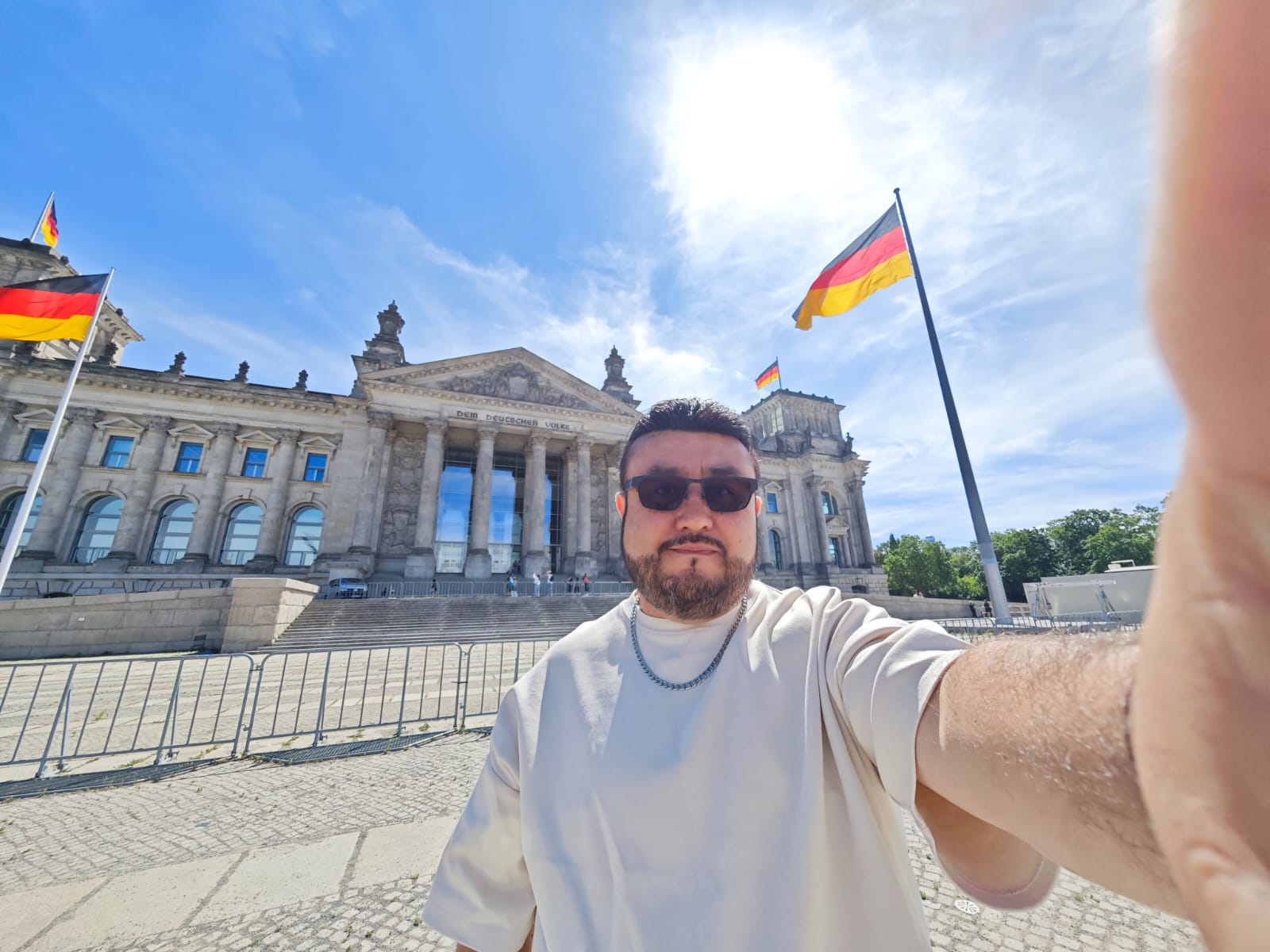
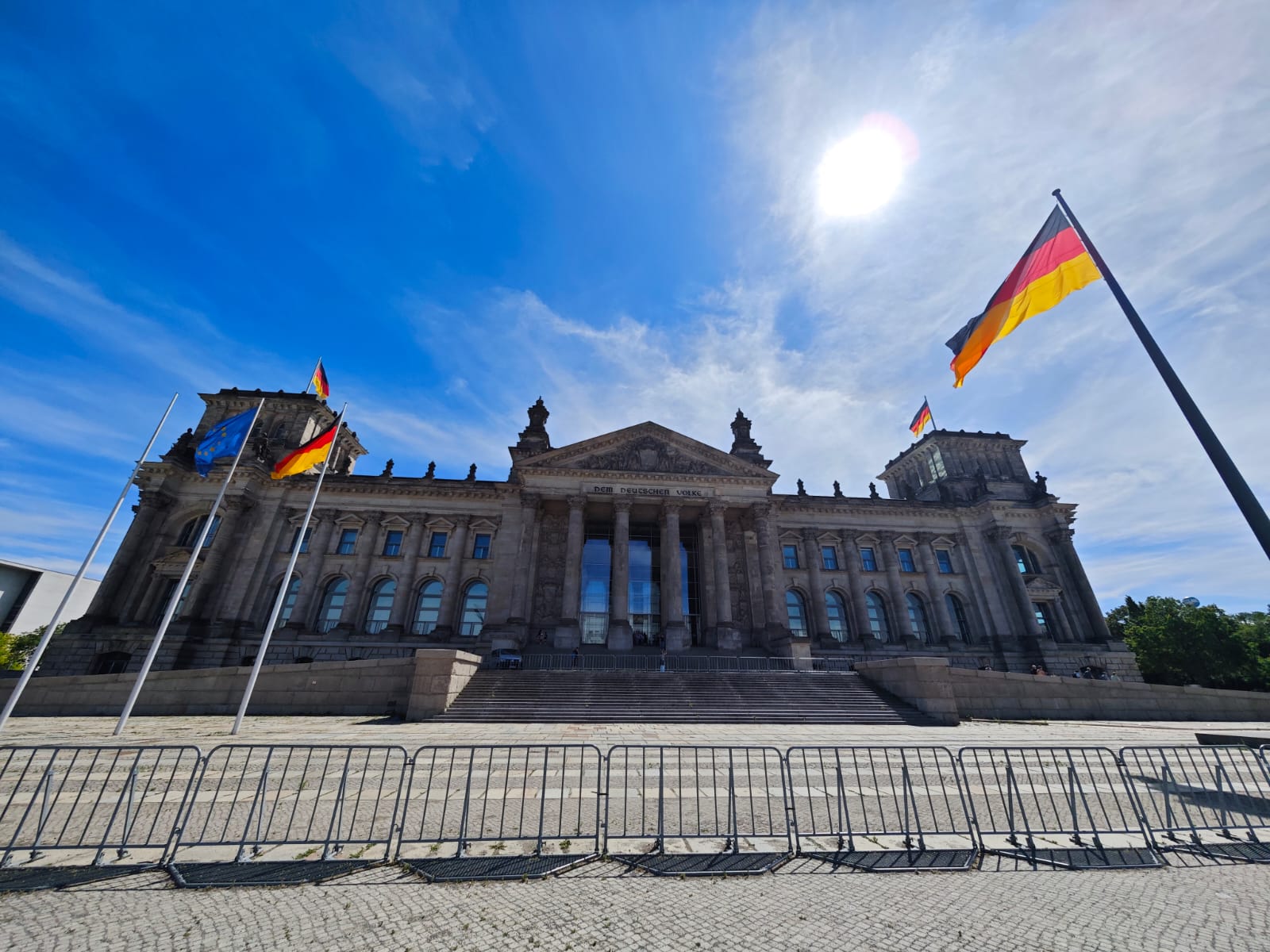
The Reichstag — I always wanted to visit it. The German Parliament. Practically all of modern German history passed through that building: the German Empire, the Weimar Republic, the 1933 fire that gave Hitler the pretext to consolidate power, the Battle of Berlin, reunification. The inscription on the facade reads "DEM DEUTSCHEN VOLKE" — "To the German People." It was a controversial phrase when placed there because it implied the State should serve the people and not the emperor. Today it sounds obvious. In 1916 it was almost revolutionary. I find it impressive. Imposing.
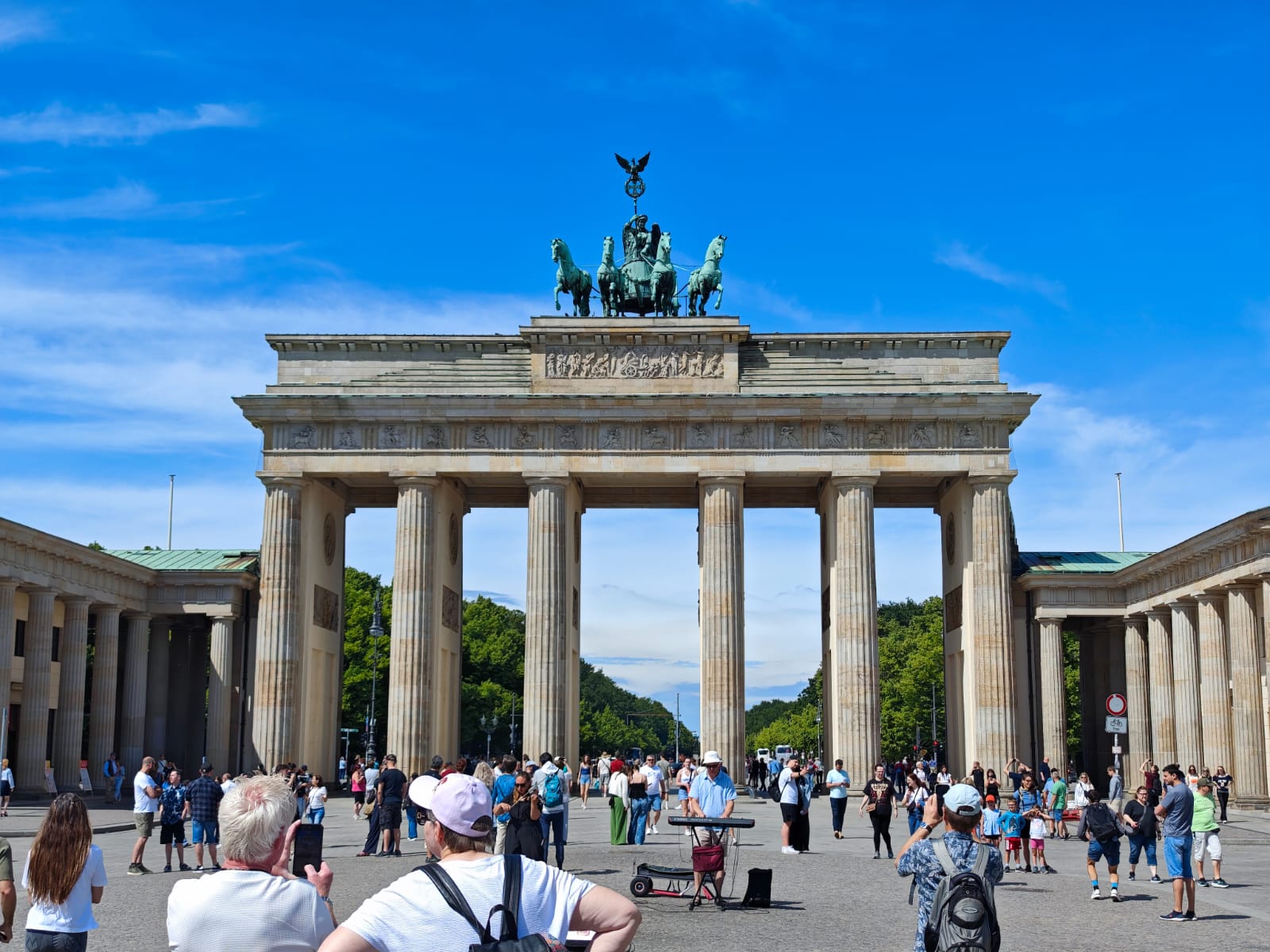
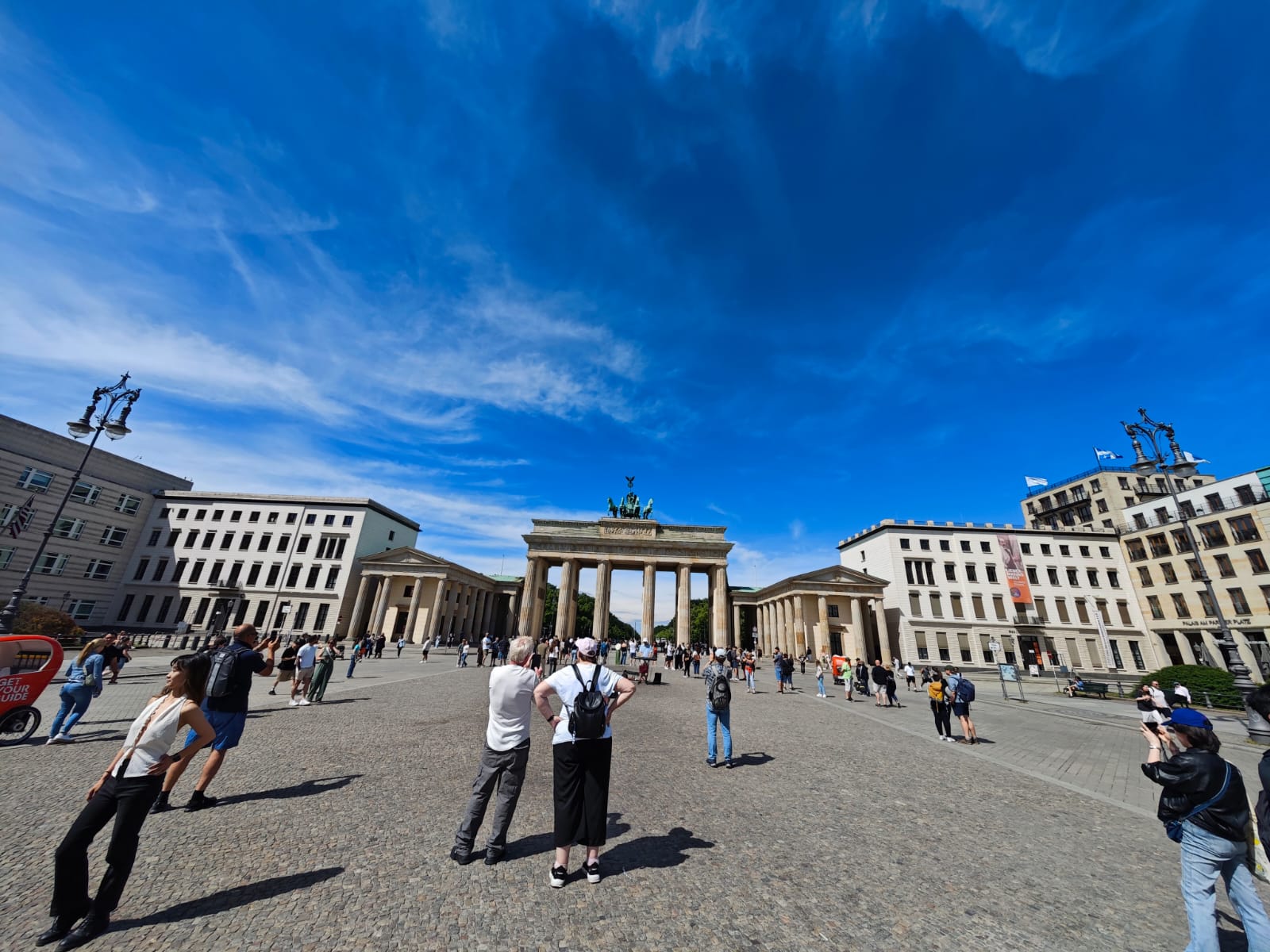
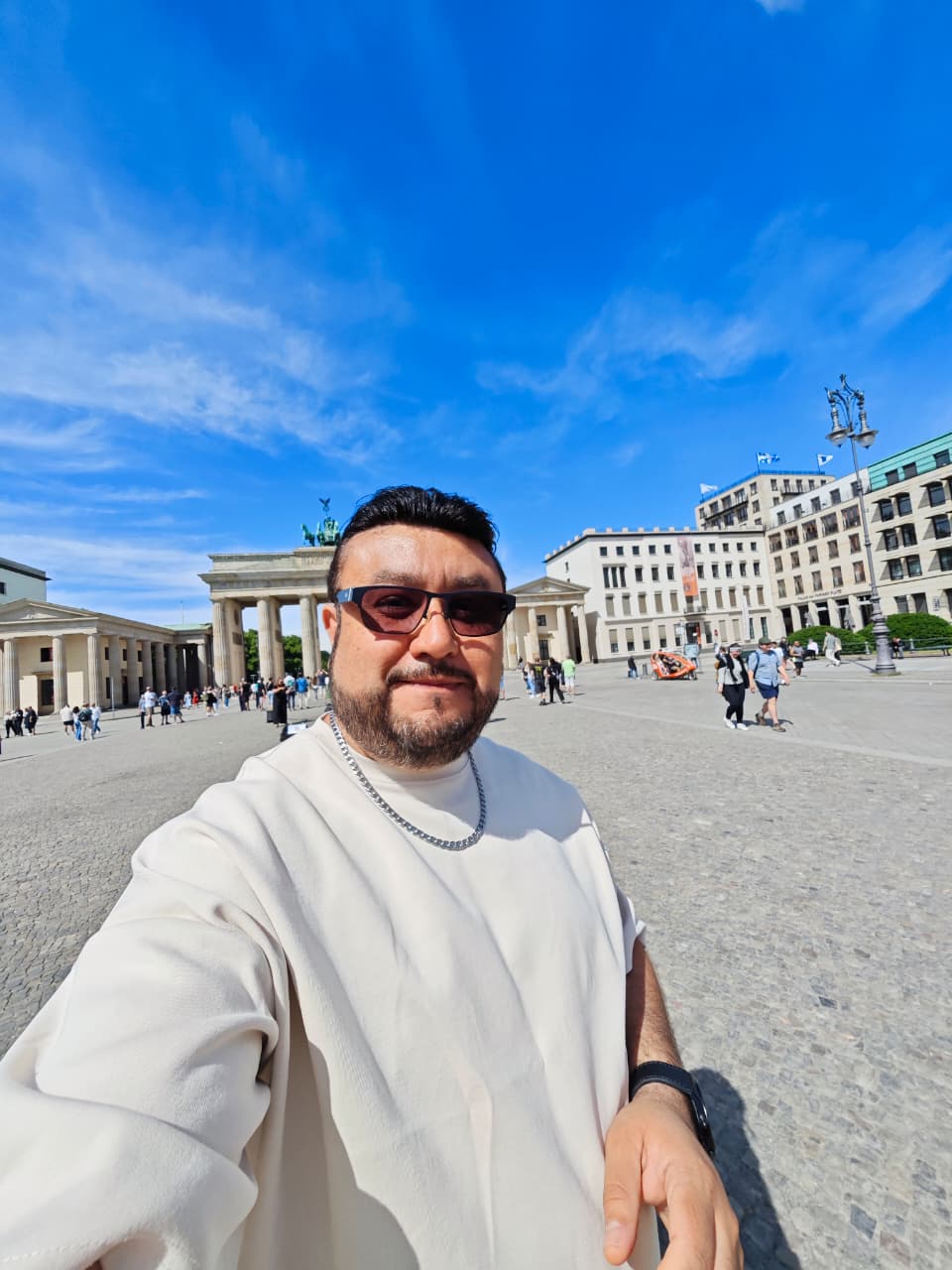
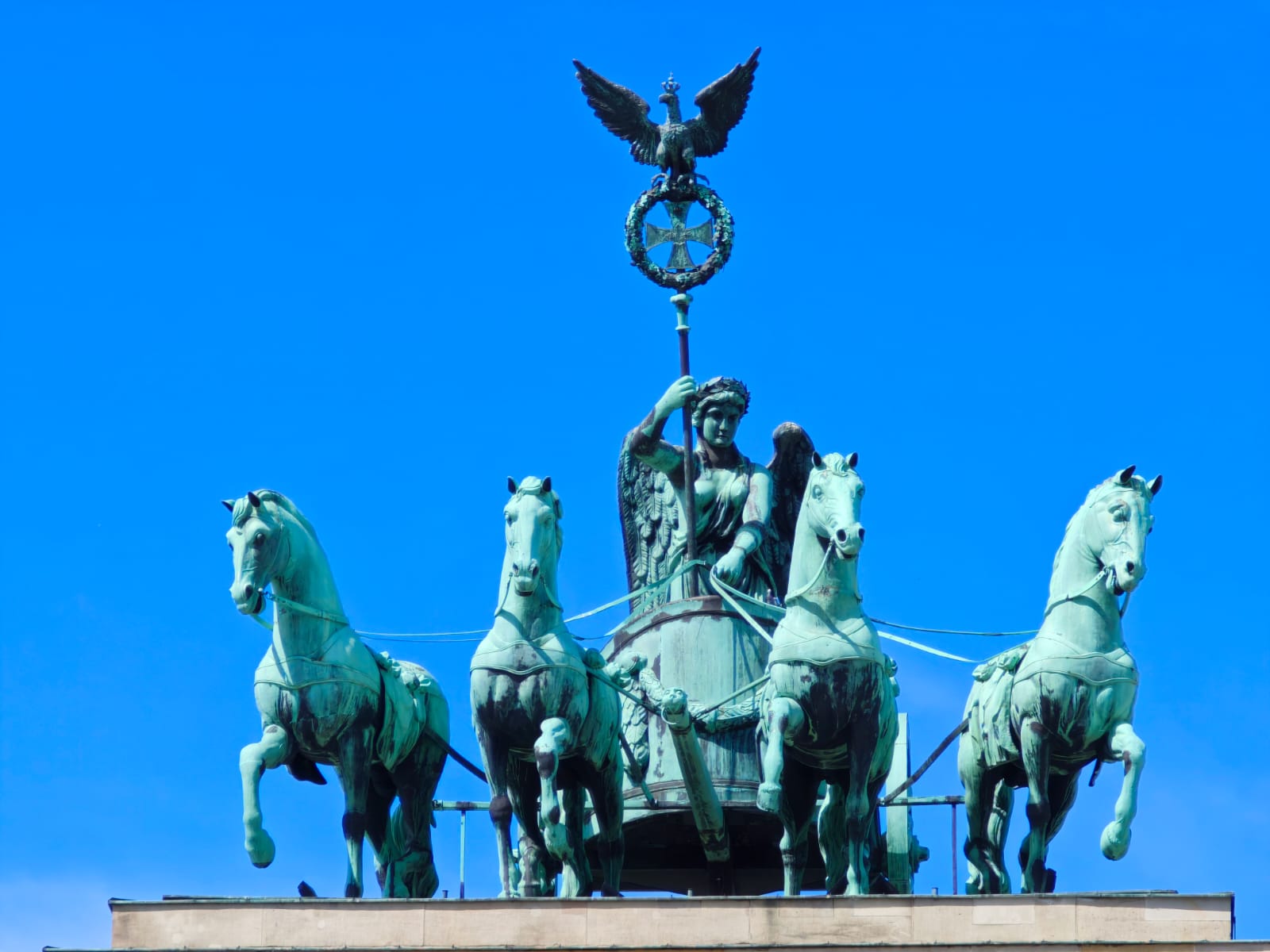
The Brandenburg Gate. For Germany it's what the Eiffel Tower is for France. During the Cold War it stood right next to the Berlin Wall and for decades no one could cross it. When the wall fell in 1989 it became the symbol of reunification. Fun fact: Napoleon stole the quadriga on top and took it to Paris. The Prussians recovered it afterward. Classic Napoleon.
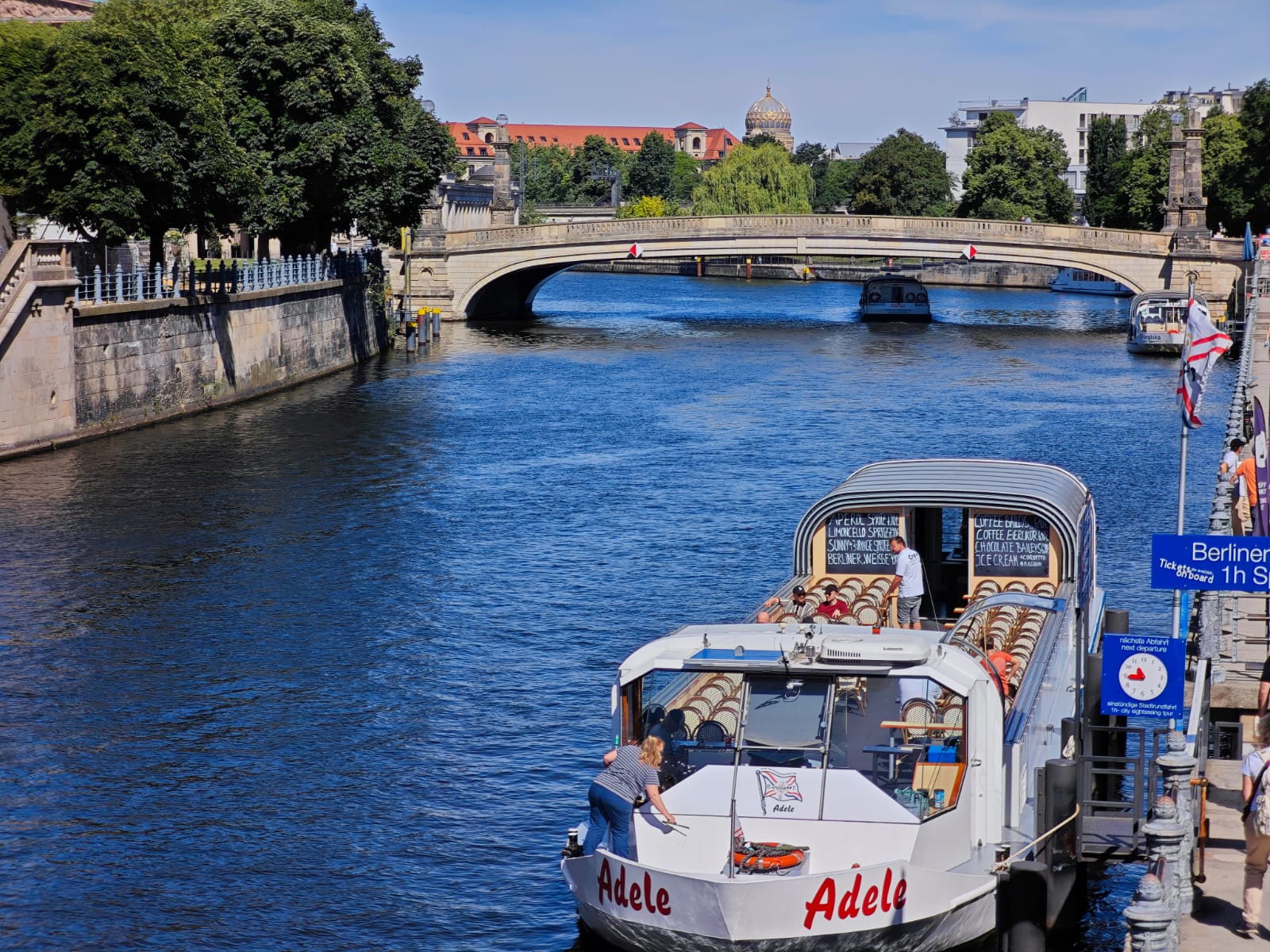
Museum Island (Museumsinsel) and the Spree River deserve their own paragraph. The Spree is the reason Berlin exists: the city was born over 800 years ago as two separate trading settlements, Berlin and Cölln, both on the river's banks. During the Cold War, parts of the Spree became a border: one bank was West Berlin, the other East Berlin, with guards watching constantly to prevent escapes. The tourist boats that cruise the river today pass places where just a few decades ago there were watchtowers, barbed wire, and armed patrols.
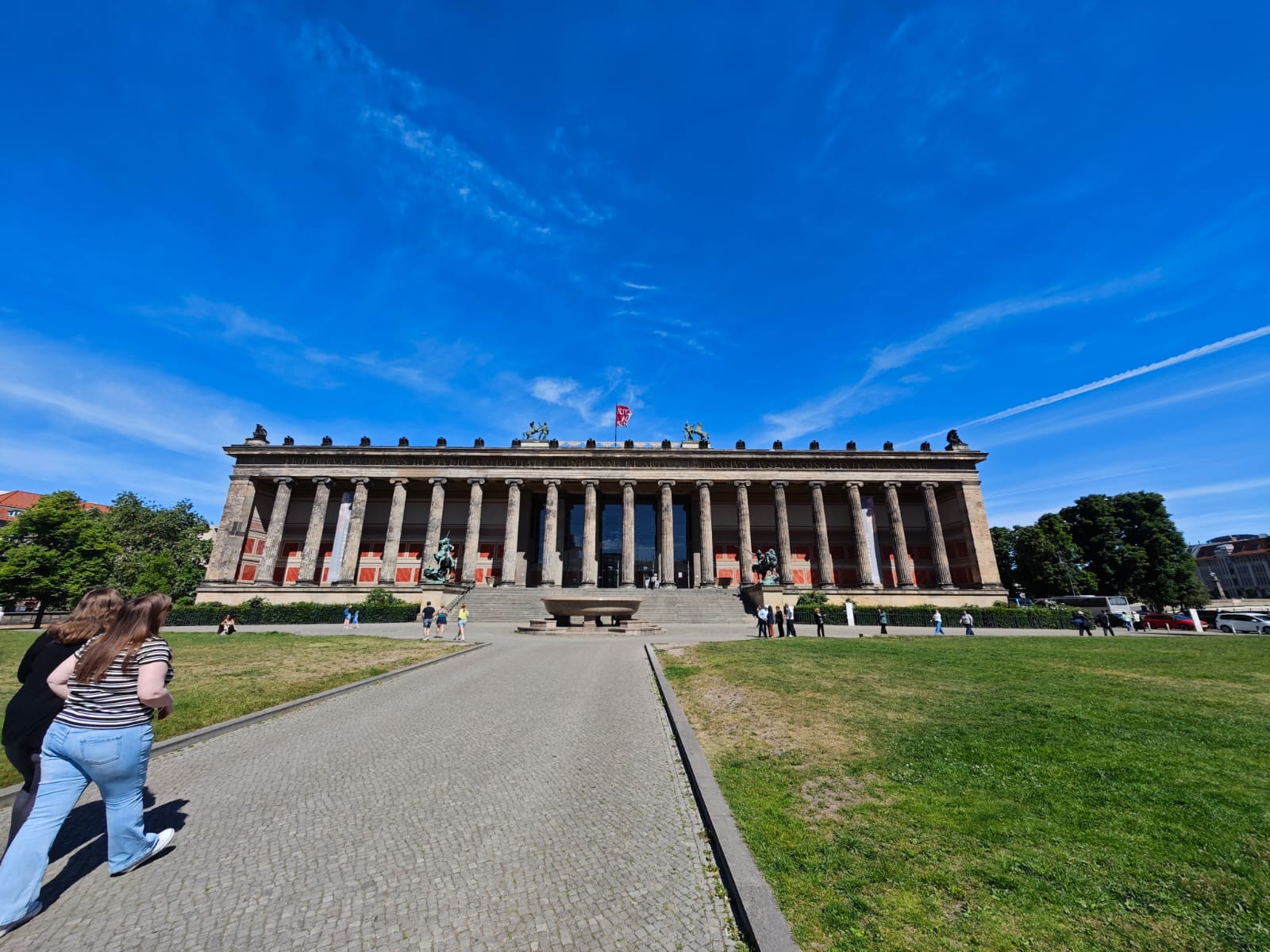
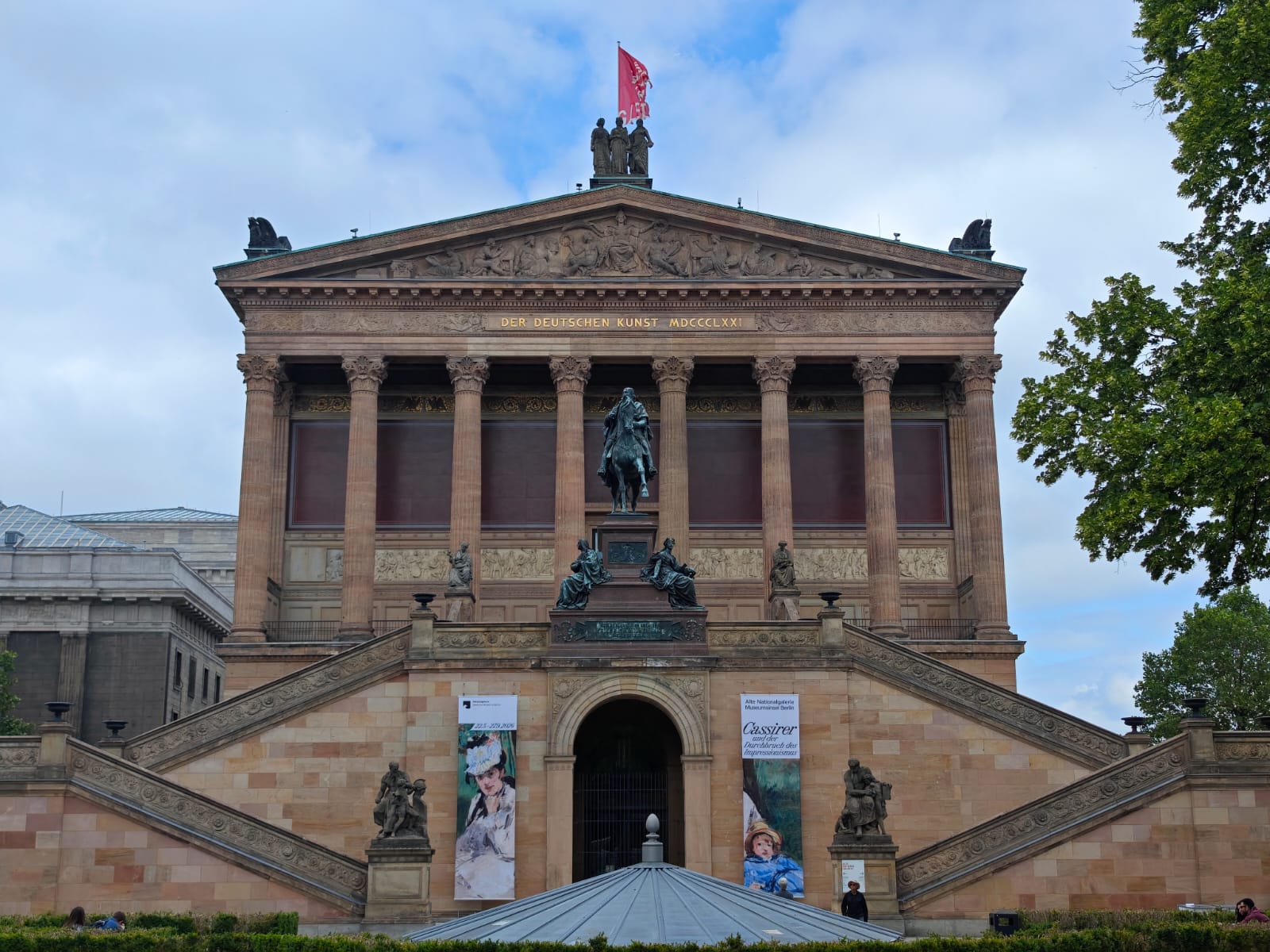
The Altes Museum is part of the UNESCO World Heritage zone, housing some of the most important archaeological collections in Europe.
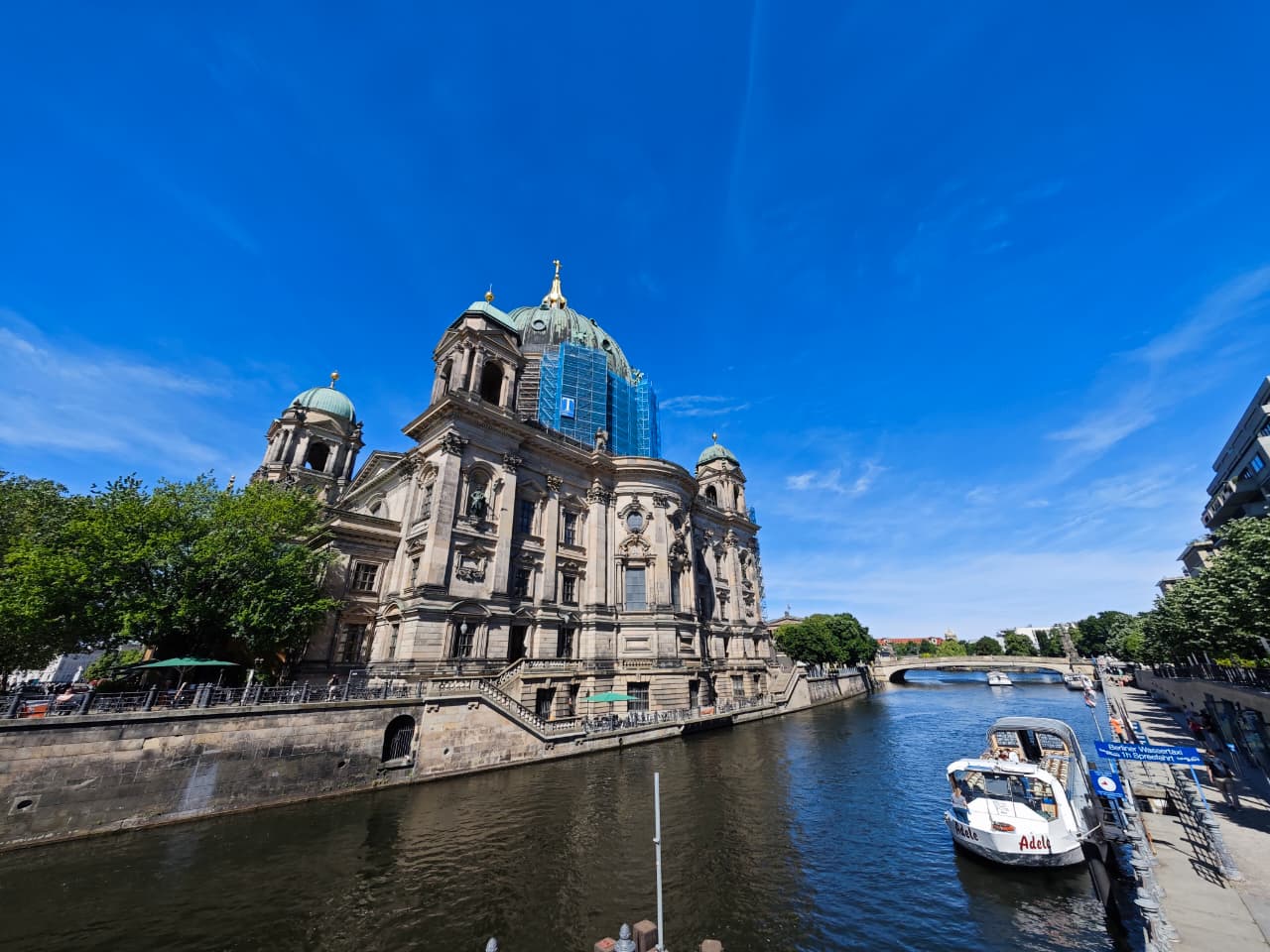
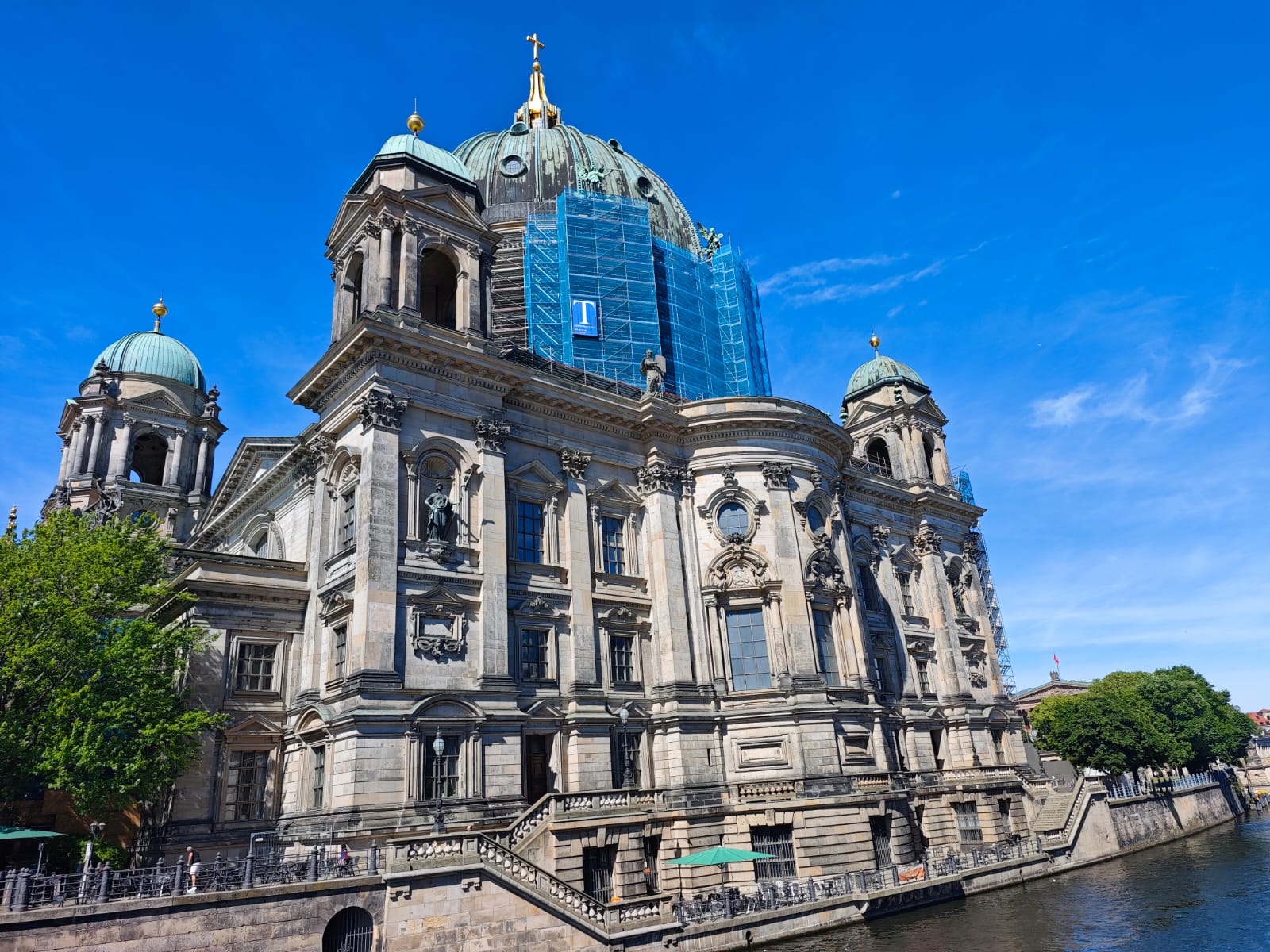
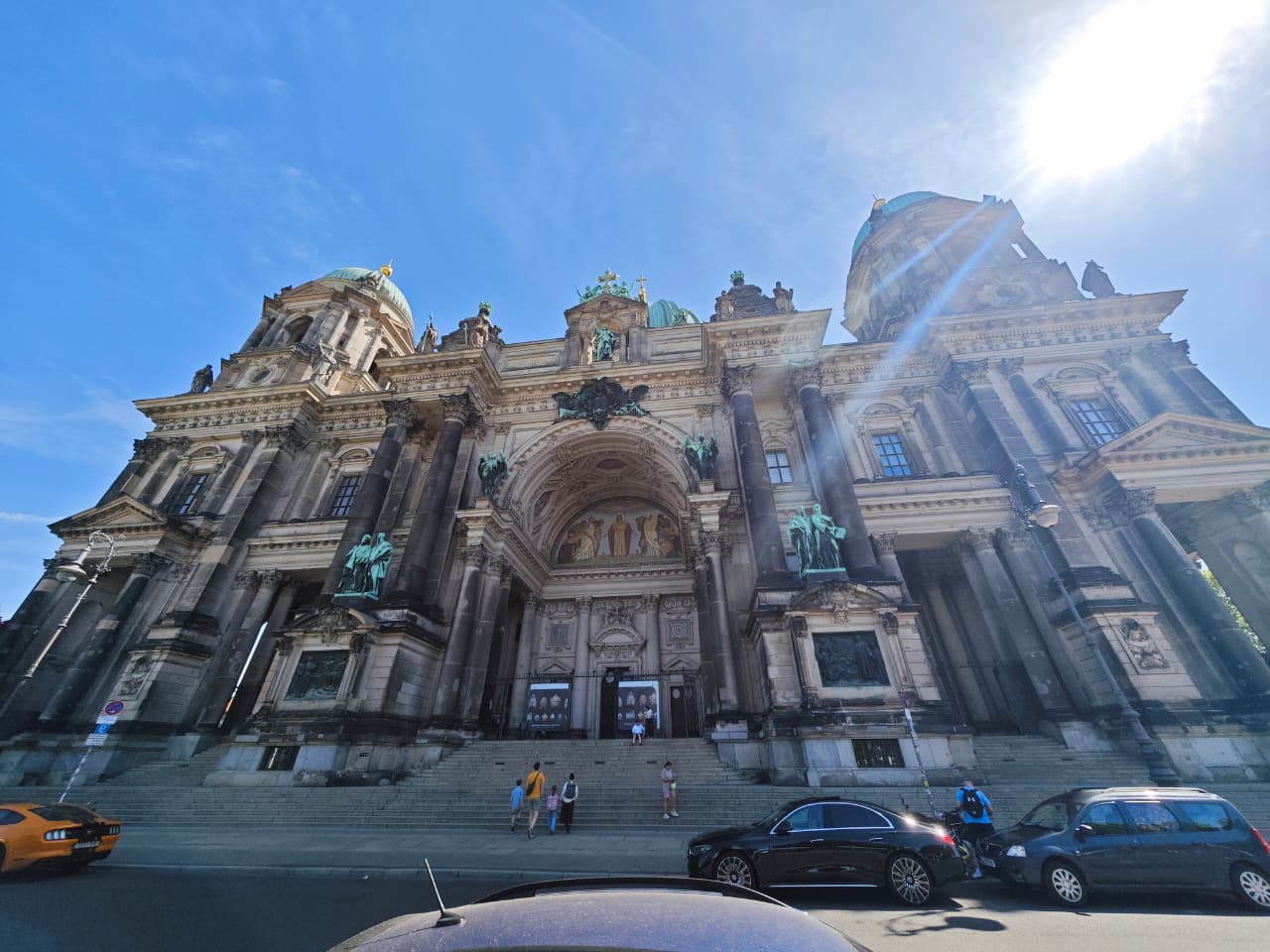
The Berlin Cathedral (Berliner Dom) is the main Protestant church in the city. It was built by the German emperors to rival the grandeur of the great Catholic cathedrals of Europe. In 1944 a bomb hit the dome and the subsequent fire caused enormous damage. When Berlin was divided, the cathedral ended up on the eastern side, and the communists weren't particularly interested in restoring churches. From the river you get a better sense of its real size than from the front. The dome is still surrounded by scaffolding — completely normal, it's been going in and out of restoration for decades. Germans are obsessive about heritage preservation.

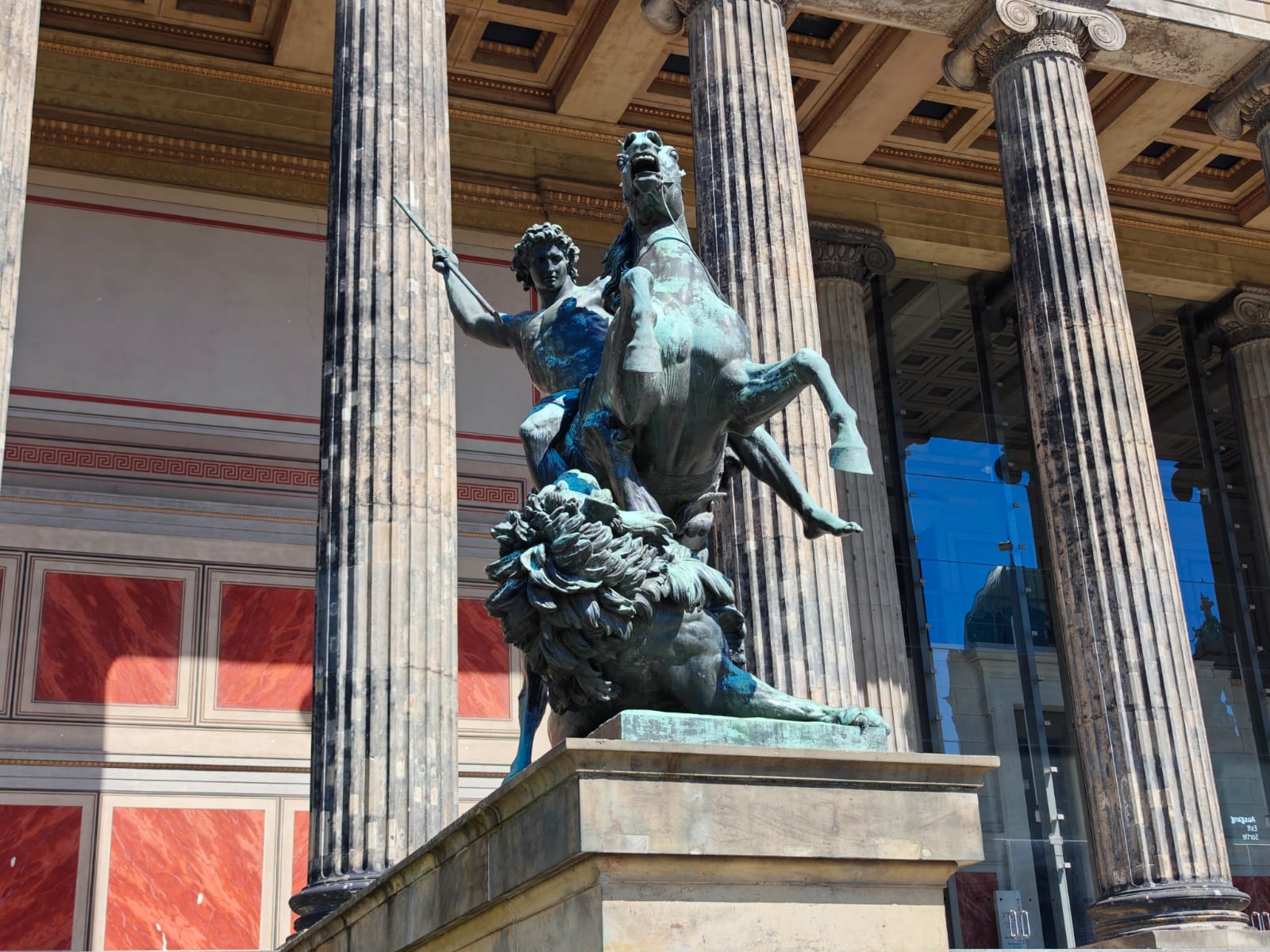
The Alte Nationalgalerie looks like a Greek temple because it was designed in the 19th century to convey exactly that: "art is a new religion." Inside are some of the most important paintings of German Romanticism, works by Caspar David Friedrich and Adolph Menzel. The central equestrian statue represents Friedrich Wilhelm IV.
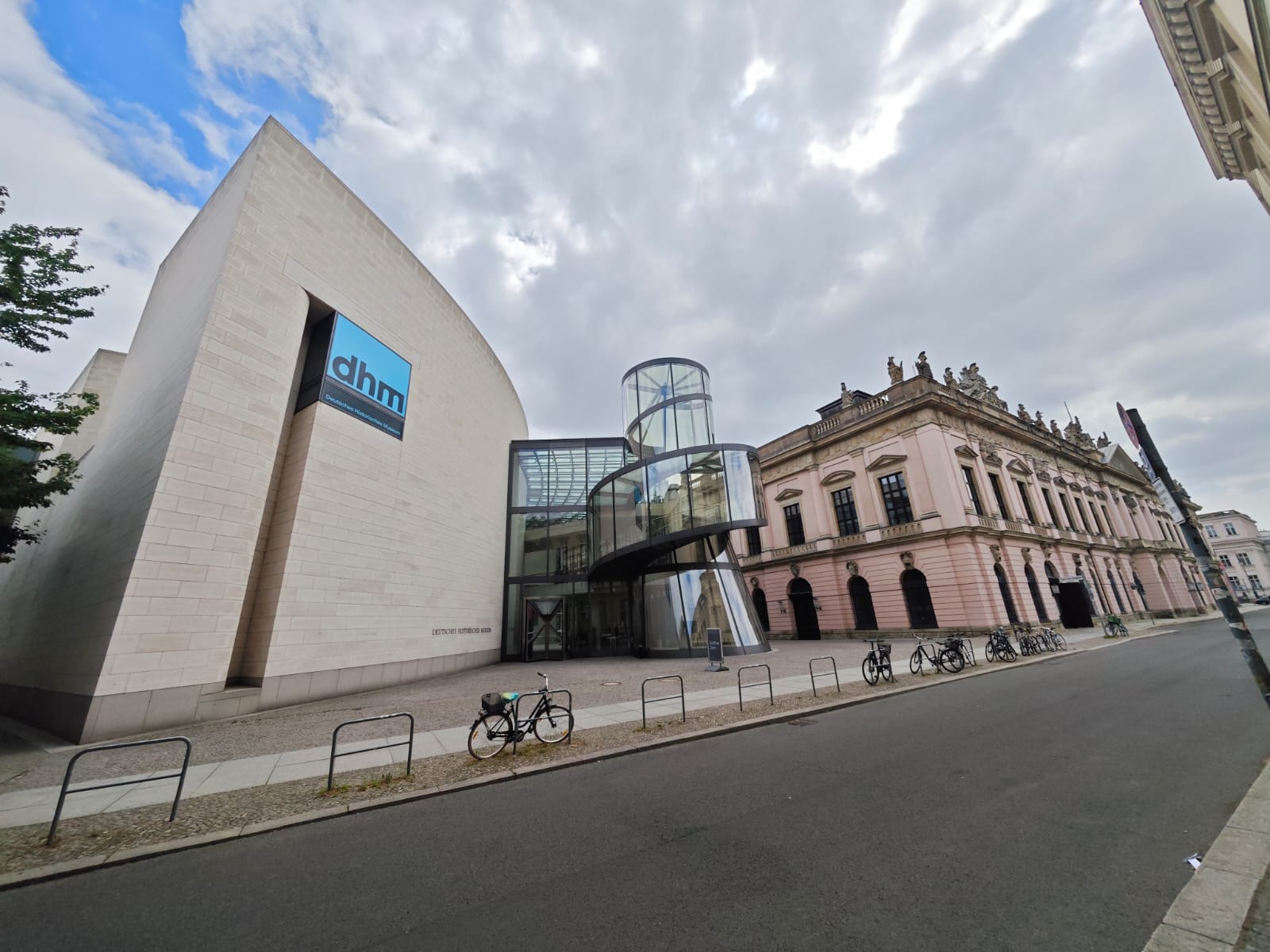
The Deutsches Historisches Museum has a modern glass wing designed by I. M. Pei, the same architect who designed the Louvre pyramid in Paris. In a single walk-through you cover everything from the Holy Roman Empire to reunification. It's insane.
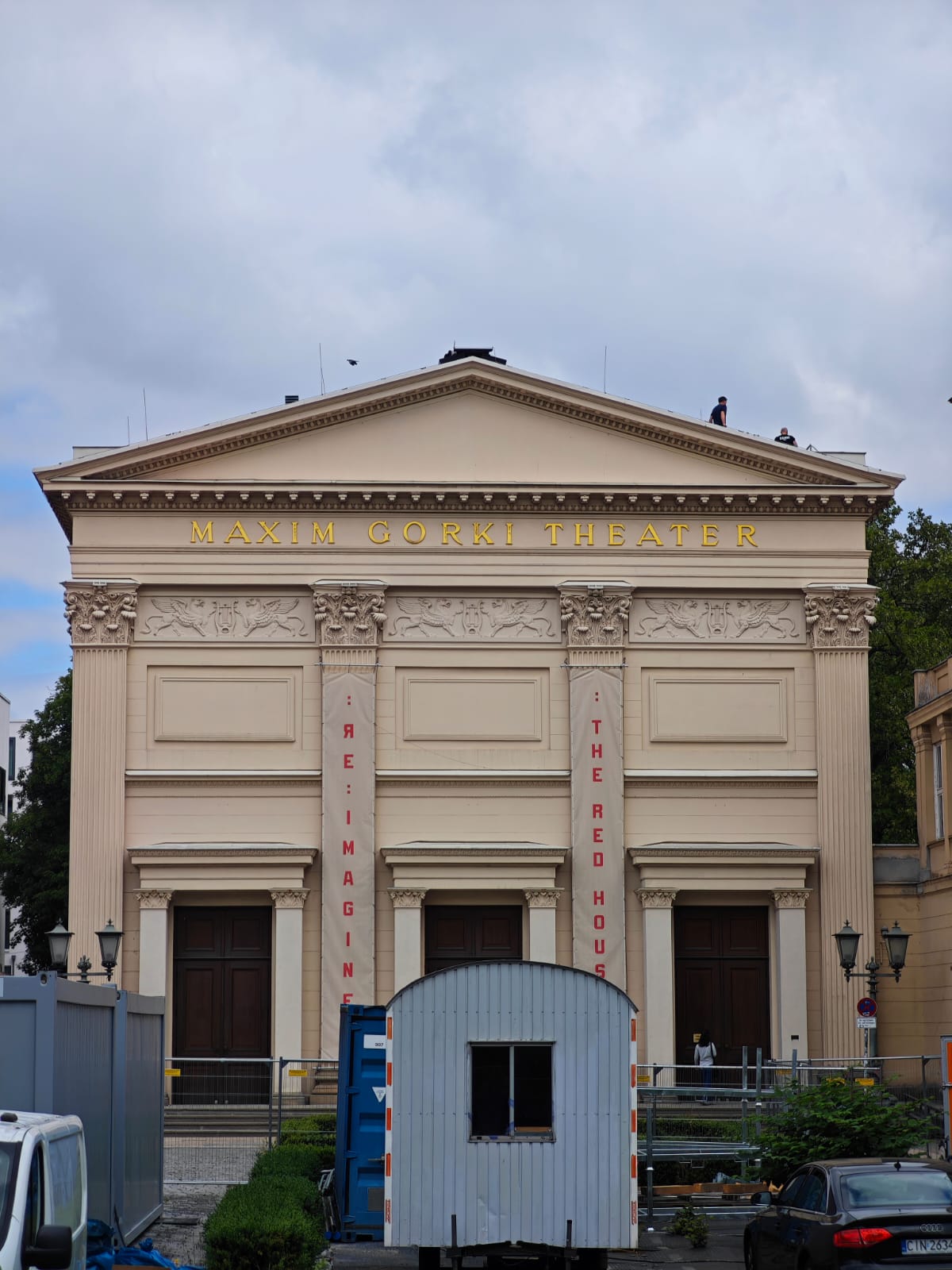
The Maxim Gorki Theater carries that name because during the communist GDR era it became an important cultural symbol. Many buildings and theaters in East Berlin were named after Soviet figures. Today it's one of Germany's most progressive theaters, known for tackling themes of migration, identity, and contemporary politics.
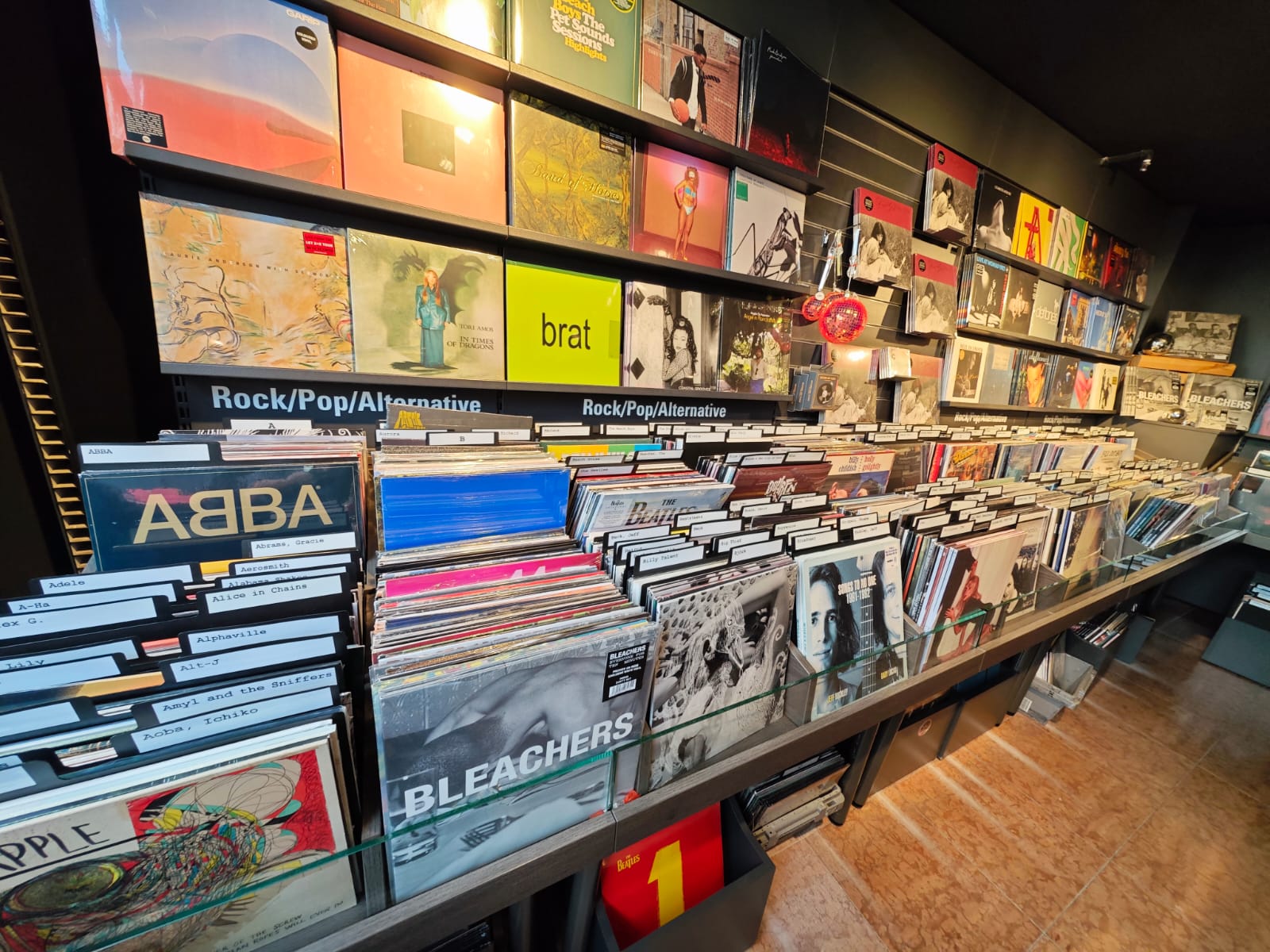
I stopped at Dussmann das KulturKaufhaus, a serious bookstore. I actually went through three bookstores trying to find a specific gift: Scivias by Hildegard von Bingen. Couldn't find it anywhere. What they do have in industrial quantities is vinyl records, and that makes total sense: Berlin is probably one of the world capitals of electronic vinyl. The scenes that were born or grew here — Detroit techno imported to Europe, minimal techno, dub techno, industrial — that's why many stores still sell enormous quantities of records when they've already disappeared in other cities.
And we get to the part everyone was going to ask me about: I got rejected from Berghain. Yes. Getting rejected there is almost a rite of passage — there are people who live in Berlin and have been trying to get in for years. It doesn't make me sad. Because I went to Tresor, and from a historical standpoint that's almost as important.
When the Wall fell in 1989, the city was full of abandoned factories, empty power plants, and forgotten bank vaults. A group of crazy people discovered the underground vault of a destroyed department store near Potsdamer Platz. "Tresor" in German means vault or treasure. And that's where the club was born. The main basement is located where an actual bank vault used to be: that feeling of industrial tunnel, metal walls, and brutalist concrete is not decoration — it's the original architecture of the place.
Before Tresor, techno was something very local to Detroit. Tresor was one of the first places in Europe to regularly bring DJs like Jeff Mills, Juan Atkins, and Kevin Saunderson. It literally helped connect Detroit with Berlin. Without Tresor, European techno might never have evolved the way it did.
While people in other countries were in conventional bars, here they were throwing 30-hour illegal parties inside abandoned factories. That's why Berlin techno has such a different identity from Ibiza. Berghain is a legend. But Tresor is living history. Many of the DJs who ended up playing Berghain grew up hearing stories about Tresor. No regrets.
What stays with me most from Berlin is this: few cities in the world let you walk 20 minutes and cross Prussia, the German Empire, Nazism, the Cold War, and modern Germany without leaving the same neighborhood. Without even trying, you've walked a complete chronological timeline of German history. It's a city that doesn't leave you indifferent. It can't.
The train is moving. Next stop: Innsbruck, and tomorrow what I was looking forward to most in this leg of the trip: Gigi D'Agostino live.
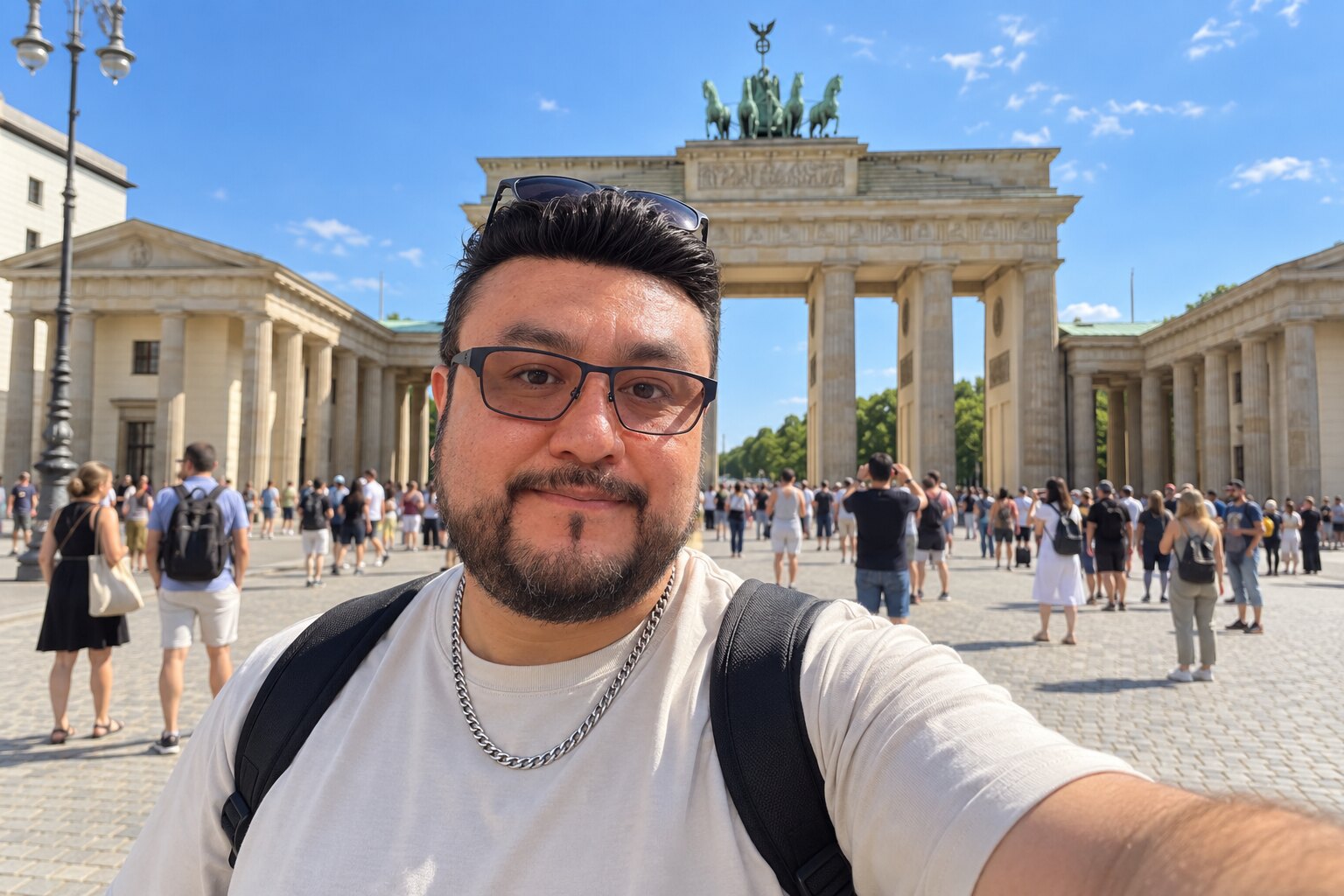
Me at the Brandenburg Gate
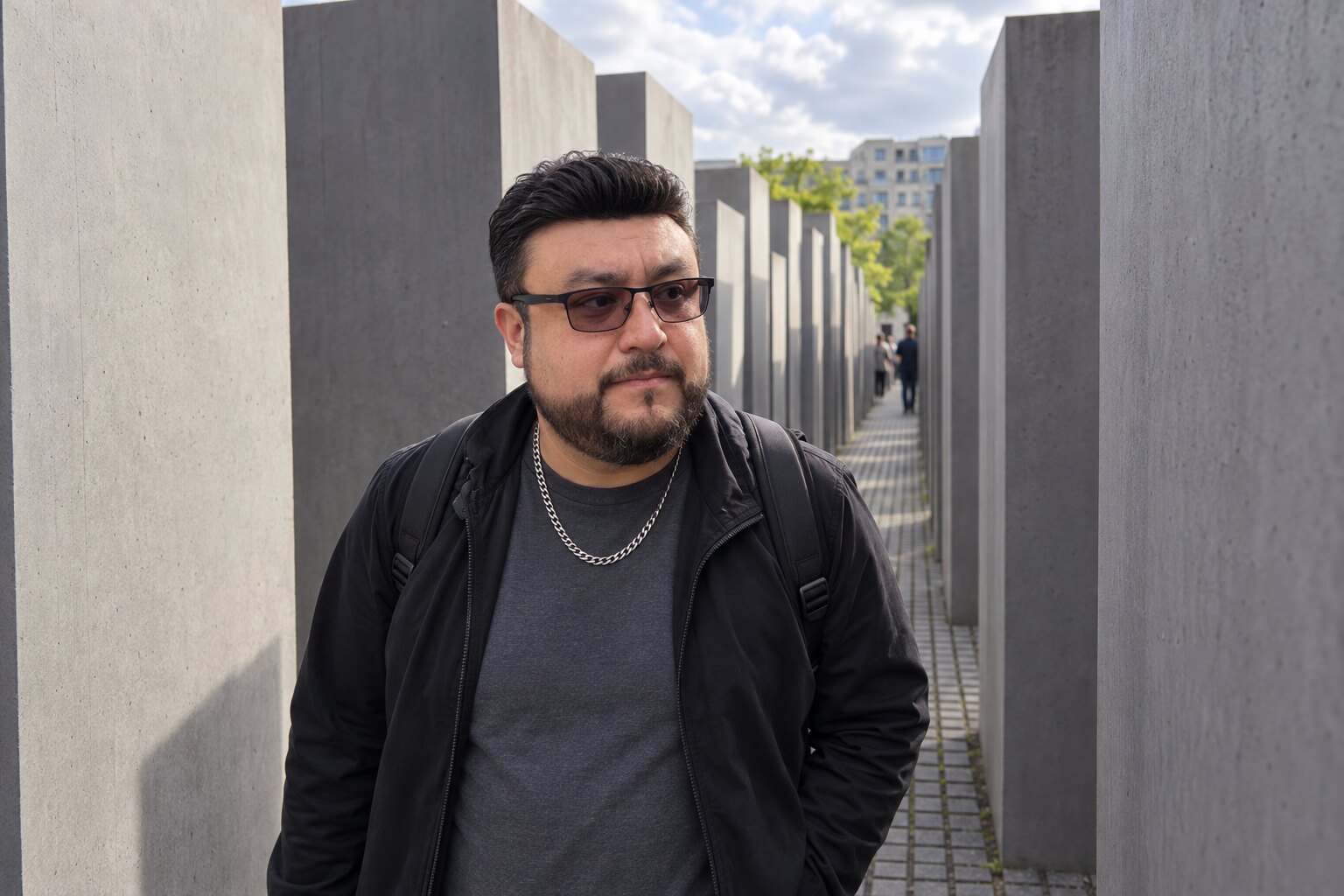
Me at the Holocaust Memorial