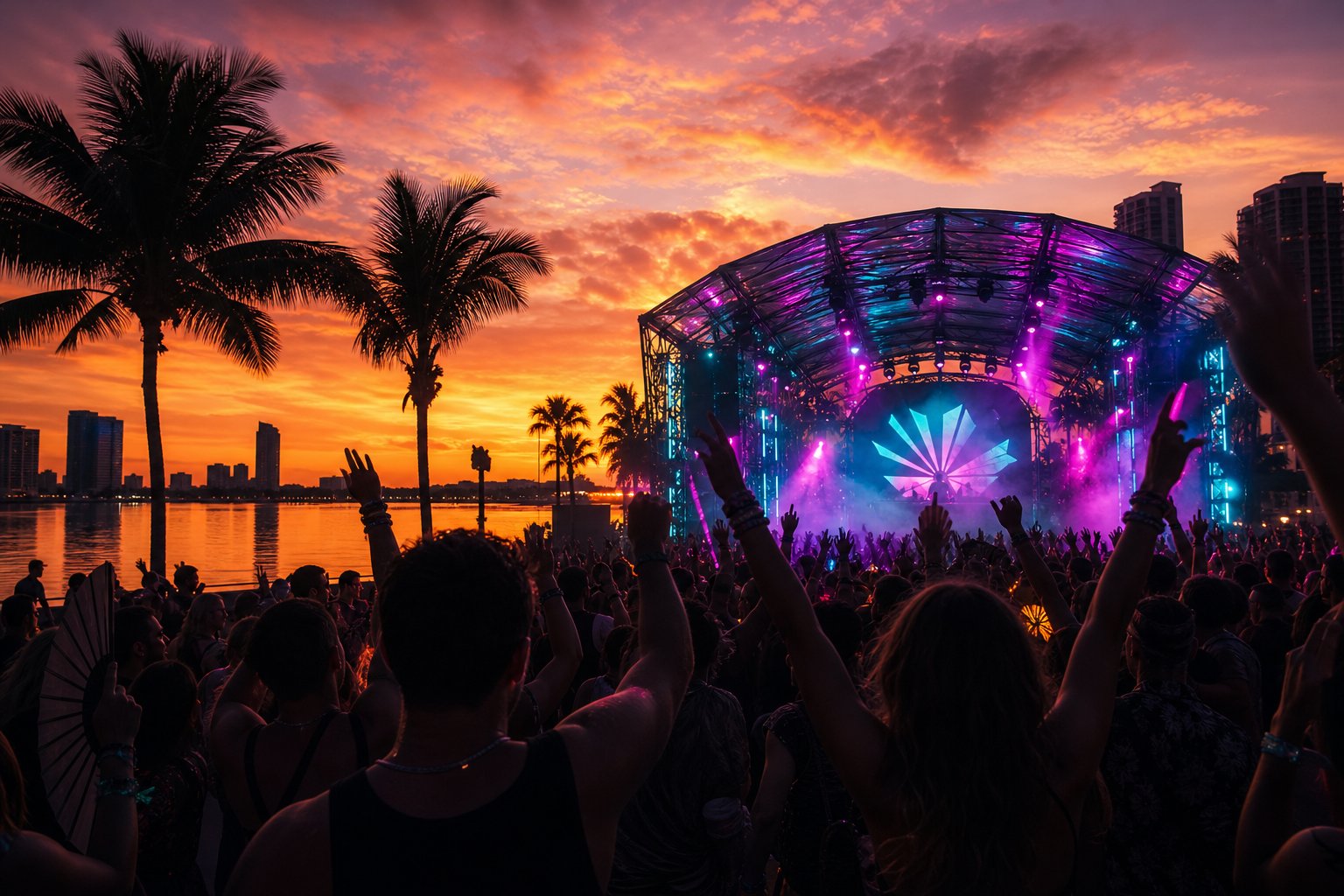
CRSSD Festival has confirmed its fall 2026 edition at San Diego's Waterfront Park, and the lineup just revealed makes one thing clear: the festival has no intention of lowering the bar after years of cementing itself as one of the most relevant electronic music events on the West Coast of the United States. The Waterfront Park returns as the venue, that corner of San Diego Bay where sun, water, and decibels combine in a ratio that few festivals manage to replicate. For those following the scene from Mexico — and there are many, because the border between Tijuana and San Diego is more of a concept than a wall when it comes to electronic culture — this news arrives as confirmation of something already felt in the air: 2026 is the year North American electronic music reclaimed its post-pandemic momentum in full force.
The Lineup as a Statement of Intent
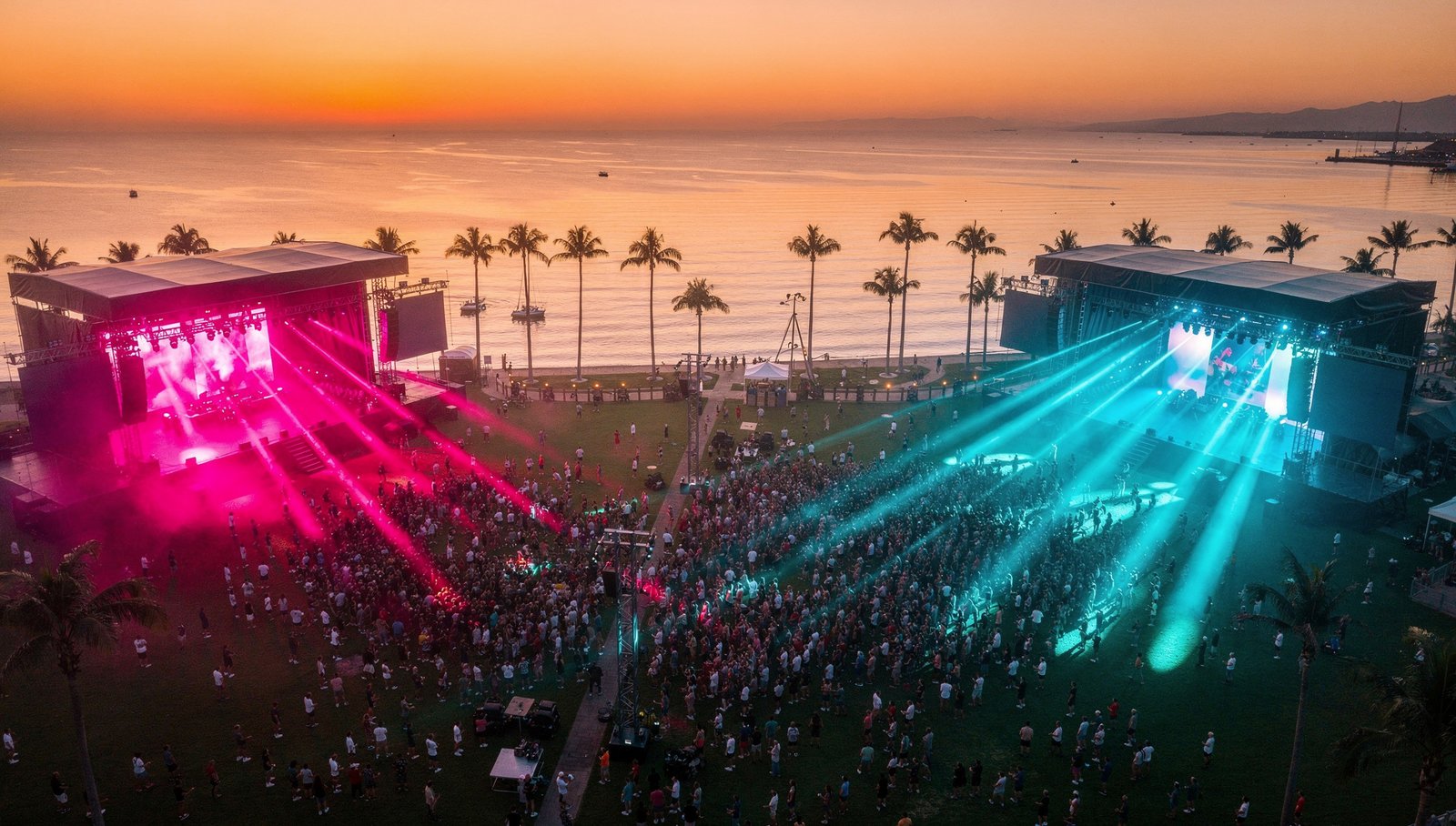
CRSSD is not the kind of festival that books whoever is topping Spotify charts that week. Its curation has historically been sharper than that: it bets on names that genuinely move dance floors, that have real footing in the European circuit, and that don't need three-story LED screens to justify their presence. This fall edition's lineup follows that same logic. Without speculating on names not yet officially confirmed at the time of this writing, what is certain is that the festival maintains its two-stage format — Ocean View and City Steps — where programming runs in parallel and forces attendees to make difficult choices throughout the entire weekend. That is, paradoxically, one of its greatest draws: there is no filler, no dead hour, no set you can ignore without feeling like you're missing something meaningful.
San Diego and Tijuana: The Binational Ecosystem Nobody Names Enough
Here comes the angle that American media tends to overlook: CRSSD is not an isolated festival in a Californian bubble. It is part of a binational ecosystem that includes Tijuana as both an incubator of talent and a source of attendees. The distance between Waterfront Park and Avenida Revolución is less than 30 minutes by car, and that geographic proximity translates into real cultural permeability. Tijuana-based producers and DJs have found in CRSSD a platform for visibility that they rarely get at festivals inside Mexico, where booking logic still favors established names from Mexico City or direct international hires. The Tijuana scene — with its blend of dark techno, Latin-influenced house, and electronic experimentation — has been a quiet but consistent presence around the festival, both at after parties and, increasingly, on the main stages themselves.
What This Means for the Scene in 2026
We are at a particular moment for electronic music in North America. The festival circuit has been reorganizing itself after several years of cancellations, mergers, and collapses that left the landscape looking very different from 2019. CRSSD has survived that process with its identity intact, which is no small feat. While other festivals bet on gigantism — more stages, more pop headliners, more energy drink sponsors — CRSSD stayed at its human scale and maintained its focus on club music taken outdoors. That bet, which at the time seemed conservative, turns out to be exactly what audiences want right now.
For those following the scene from this side of the border, CRSSD Fall 2026 is a date that goes straight into the calendar without debate. Tickets tend to sell out fast, logistics from Tijuana or Mexico City are manageable, and the experience of Waterfront Park in September or October — when San Diego's heat drops to something livable — is hard to match. Full lineup details and ticket sales are available through the festival's official channels and in Attack Magazine's ongoing coverage.