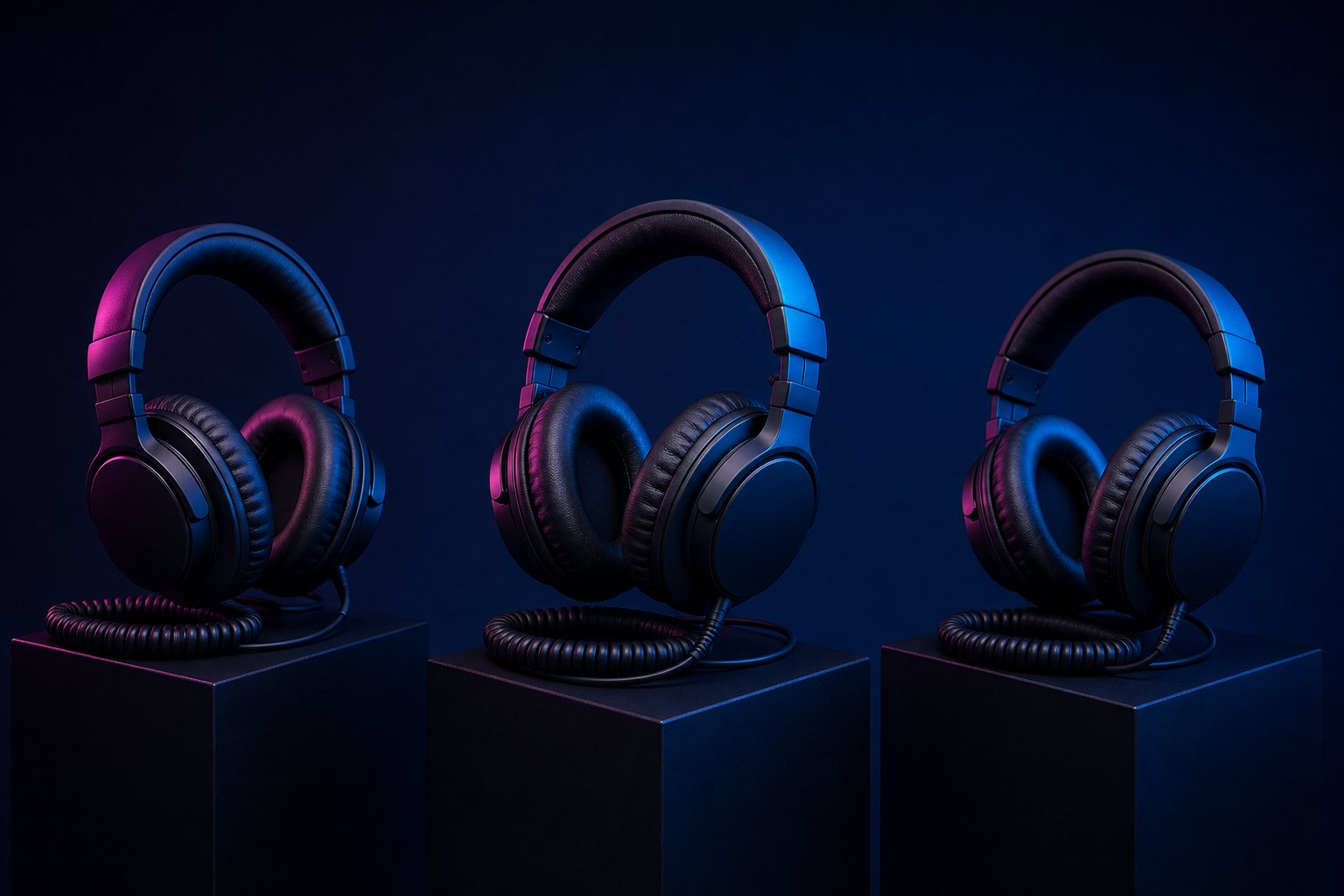
If there's one accessory no producer, DJ or musician should buy blindly, it's headphones. Not because they're the most expensive gadget in the studio—though some get dangerously close to the price of a month's rent—but because the difference between mixing on bad headphones and good ones can be the difference between a track that translates across all systems and one that only sounds good in your bedroom. MusicTech published its updated guide to the best headphones on the market for audio professionals, and it's worth stopping to analyze what's behind the recommendations, what categories exist, and why not all headphones serve the same purpose even when they cost the same.
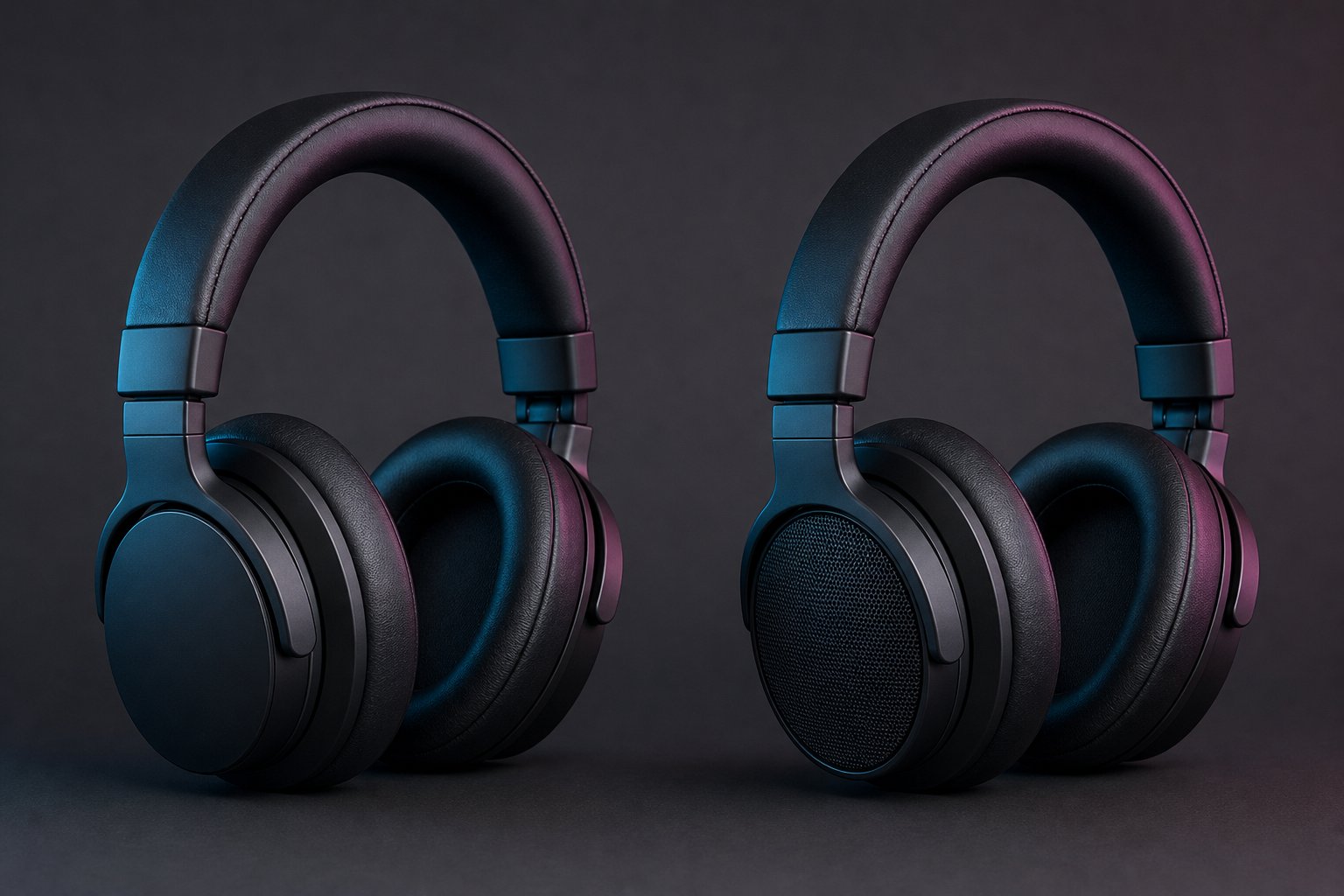
Not All Headphones Are Equal: The Problem of Buying Without Context
The most common mistake musicians and novice producers make—and some not-so-novice ones—is assuming that "expensive headphones = good headphones for production." Brands like Beats or Sony have products that sound spectacular for listening to music on the subway, but they have a frequency response designed to entertain, not to inform. The bass is boosted, the mids are smoothed out, and the highs shimmer artificially. Result: mixes done on those headphones that, when exported and played on a neutral system, sound hollow, thin, or with way too much low end.
What a producer looks for in monitoring headphones is exactly the opposite: a frequency response as flat as possible, one that tells you the truth even when it hurts. The de facto standard in studios for decades has been the Sony MDR-7506, headphones that cost around 100 dollars and still appear on professional recording sets worldwide. They're not perfect—they have a slight exaggeration in the highs—but their consistency and durability make them an obligatory reference point.
The Categories That Matter
MusicTech's guide correctly divides the market into several usage profiles, and that distinction is fundamental:
For studio monitoring: Reference headphones with a flat response dominate here. The Beyerdynamic DT 770 Pro and the Audio-Technica ATH-M50x are the names that consistently appear, and for good reason. Both have closed-back versions that provide good sound isolation—important when you're recording with a microphone and don't want headphone bleed entering the take. The Sennheiser HD 650, an open-back model, is the standard for mixing when the environment allows it.
For DJs: The needs change radically. A DJ isn't looking for a flat response; they're looking for headphones that can take physical abuse, have good passive noise cancellation to work in clubs with 110 decibels of ambient noise, and allow single-ear monitoring—the famous "one ear in, one ear out" technique that's standard in the booth. The Pioneer DJ HDJ-X10 and the Sennheiser HD 25 dominate that category. The HD 25 in particular has a legendary history: it's small, nearly indestructible, with a replaceable cable and a sound that prioritizes mids and lows in a way that works perfectly in noisy environments.
For musicians in general: Here a broader category enters that includes those who record at home, do podcasting, compose on laptops, or simply want a versatile tool. The AKG K371 has gained ground because it offers a surprisingly flat frequency response for its price, with enough comfort for long sessions.
The Price Factor: How Much Is Enough?
In 2026, the professional headphone market has a clear value zone between 100 and 300 dollars. Below 100, options are limited but exist—the Sony MDR-7506 proves that. Above 300, you enter territory of diminishing marginal returns: you pay more, but the perceptible improvement in real production contexts gets smaller and smaller. The Audeze LCD-2 or the OLLO S5X—featured in MusicTech's guide cover image—are exceptional products, but their price (between 400 and 800 dollars) places them in a category where the investment only makes sense if your daily work depends on extremely high-precision mixing decisions.
The OLLO S5X deserves special mention because they're manufactured in Slovenia with an artisanal approach and a frequency response documented with measurement curves openly published by the manufacturer. That, in a market full of inflated marketing specs, is a genuine signal of trustworthiness.
What the Guide Doesn't Say But You Should Know
No headphone guide—including MusicTech's—can replace the fact that your ears are unique. Audio perception is subjective, and there are people who mix brilliantly on headphones that are "technically" not the best. What you can do is train your reference: listen to music you know perfectly on any pair of headphones you're considering buying, and evaluate whether you hear details you normally don't notice. That tells you more than any frequency response graph.
Another point few guides mention: comfort is technique, not luxury. If your headphones hurt your ears after two hours, you're going to make rushed mixing decisions just to finish faster. That directly affects the quality of your work. Memory foam ear pads, adjustable headbands, and device weight are factors just as important as frequency response.

In short: buy according to your primary use, not the highest price you can justify to yourself. And if you can, try them before buying—even in an instrument store—because no online description substitutes ten minutes with the headphones on.