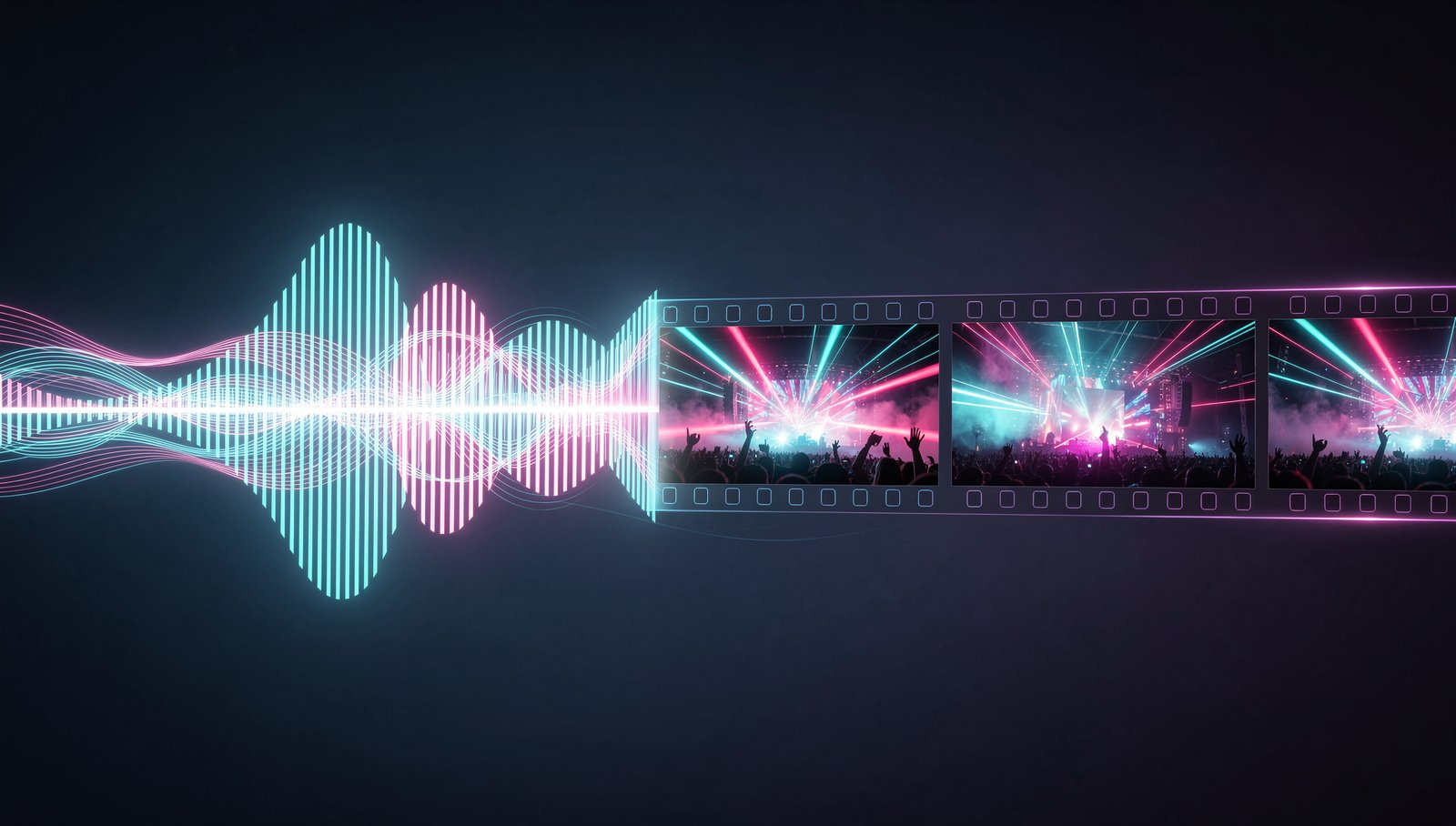
Music video production for electronic music has always been a brutal bottleneck for independent artists. You have the track ready, the drop is monstrous, the build-up gives you chills, but when it comes time to create the music video that accompanies that work, you either pay an agency that charges you an arm and a leg, or you settle for generic visualizers that don't do justice to anything. AirMusic.ai arrived to kick that table over, and in 2026 there's no excuse left for continuing to put out mediocre visual content.

The platform offers a specific tool for creating EDM music videos using artificial intelligence, and the technical approach behind it deserves analysis beyond the typical "upload your audio and that's it." The core of the system combines two technologies that until recently lived in separate worlds: AI-powered stem separation and note extraction through MIDI conversion. This is not a visualizer that reacts to the master volume. This is a tool that understands the real musical structure of the file: which instrument is doing what, at what moment, at what frequency, and with what dynamics.
Why MIDI Matters More Than It Seems
Converting audio to MIDI isn't new, but doing it with enough precision to serve as a visual synchronization base is another level entirely. When the system extracts the notes from a kick, a lead synthesizer, or a bass line, it can map specific visual events to those exact moments. The result isn't a video that "sounds good with the music," but one that is built from inside the music outward.
For genres like techno, house, trance, or drum and bass, where rhythmic and melodic structure is highly predictable and repetitive by design, this synchronization precision completely changes the perceived quality of the final product. A flash on the kick's downbeat, a transition that occurs exactly when the synth enters, a color saturation that follows the lead melody: all of that stops being manual frame-by-frame editing work and becomes automated output with real musical logic.
The Workflow in Practice
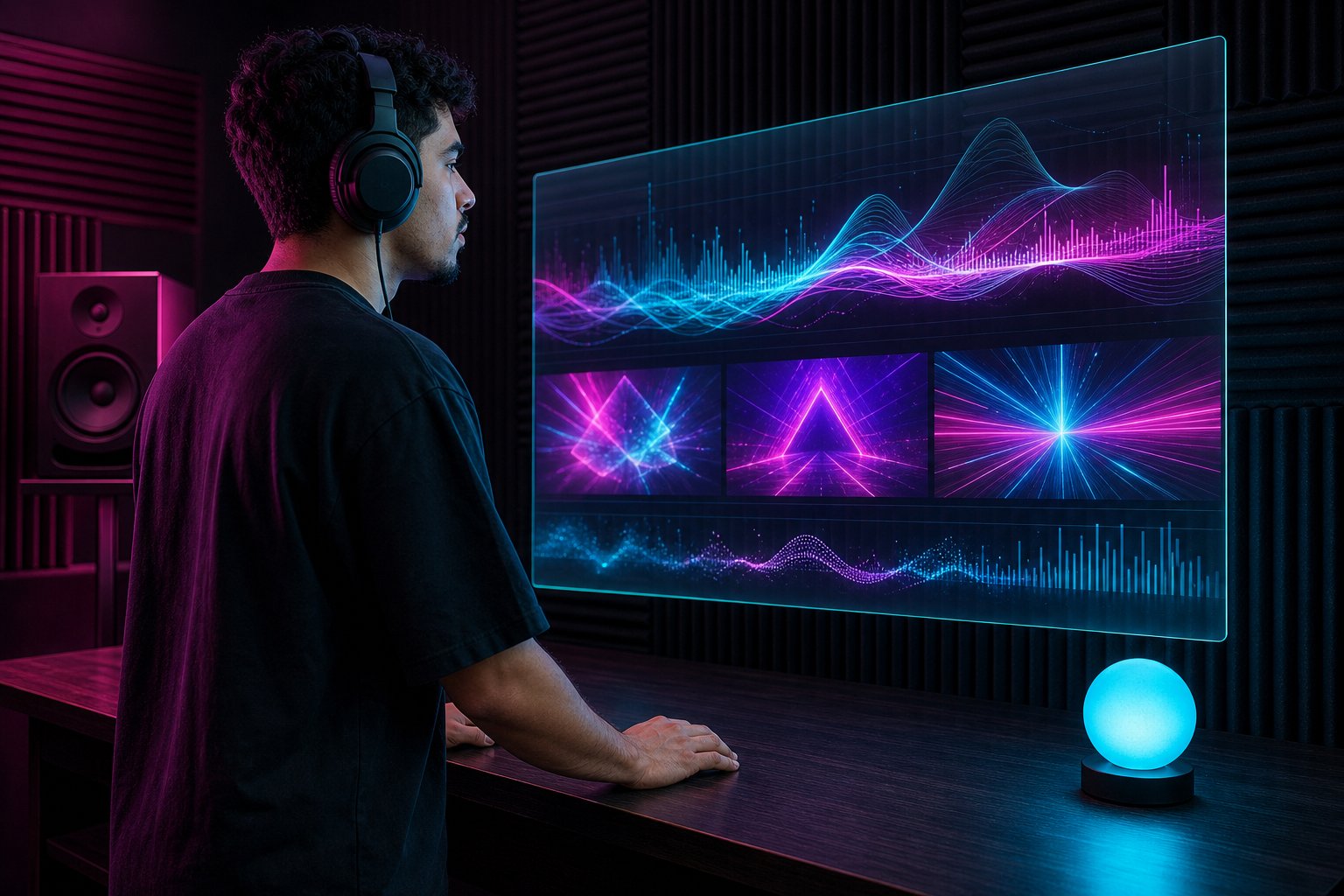
The process according to AirMusic.ai works like this: you upload your audio file, the system processes it by separating the stems (vocals, drums, bass, other instruments) and extracts the notes from each one in MIDI format. From that structured information, the video generator builds visual sequences that respond to that data. There's no timeline to touch, nothing to manually sync.
For an independent producer who regularly releases content, this is an enormous operational difference. You're no longer choosing between visual quality and publishing speed. You can have both, and in the current context where content on platforms like TikTok, YouTube Shorts, and Instagram Reels largely determines a release's reach, that's not a luxury — it's a competitive necessity.
The Broader Context: AI and the Music Production Chain
What AirMusic.ai represents in 2026 is part of a clear pattern: the music production chain is being automated layer by layer. First came AI-assisted composition, then automated mastering, then intelligent distribution, and now synchronized visual production. Each link in that chain that gets automated frees up creative time and reduces the economic barrier to entry for artists without an agency budget.
The debate about whether this "displaces" videographers and creative directors is legitimate but incomplete. What's really happening is a redefinition of at what level each type of talent operates. The creative directors who survive and thrive in this environment are those who use these tools to execute more ideas in less time, not those who refuse to touch them. Those who produce generic visualizers with no artistic direction — they're the ones with a problem.
For DJs and EDM producers in Mexico and Latin America, where the budget for professional audiovisual production frequently doesn't exist or is ridiculously limited, tools like this are especially relevant. The regional electronic scene has more than enough talent; what it has historically lacked is access to visual production that matches that talent. That gap is closing, and it's closing fast.
The question is no longer whether you'll use AI for your visual production. The question is when and how well.