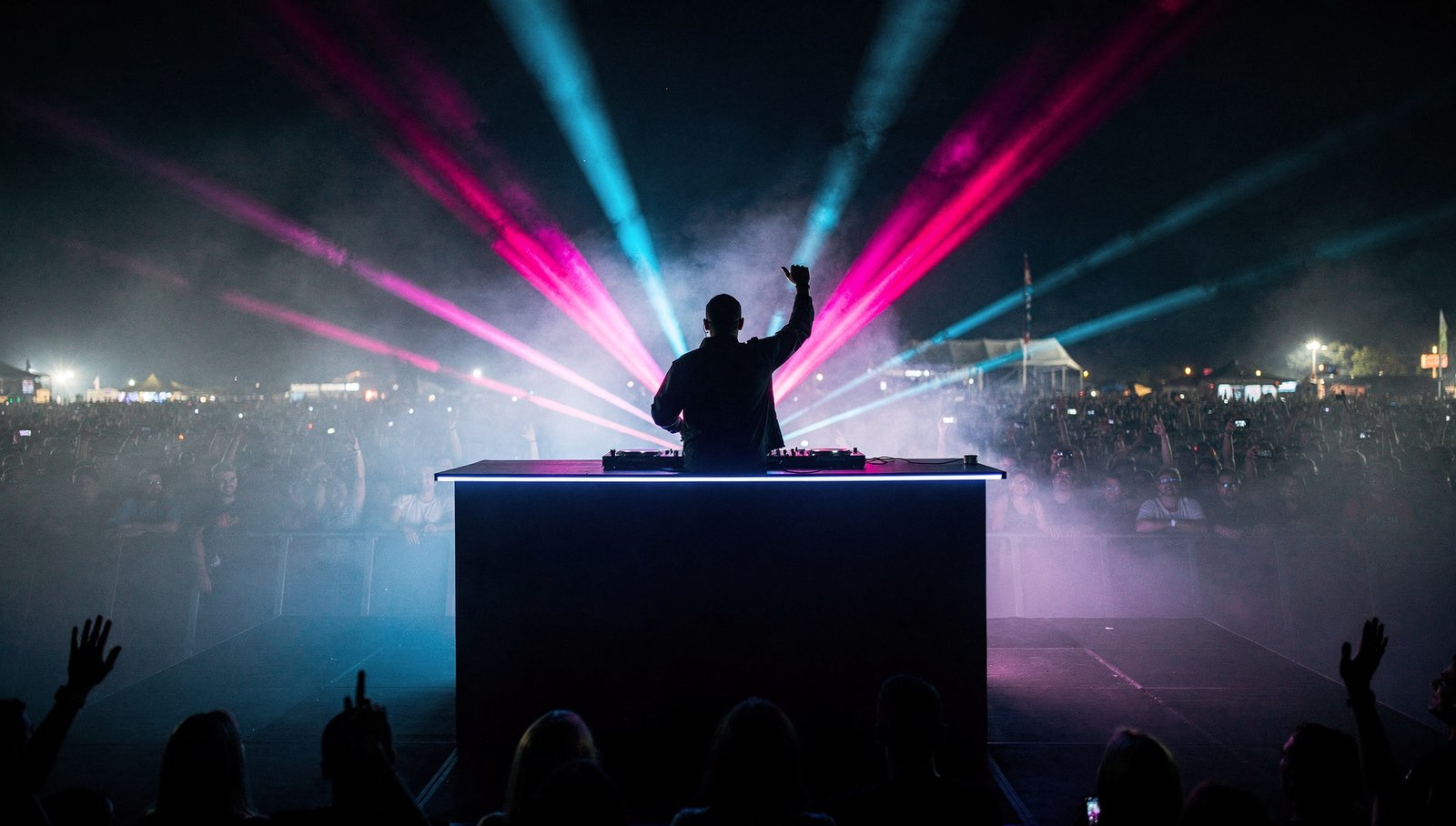
A new study confirms it with data: being a DJ is the single most desired job in the United States, Canada, Australia, and New Zealand. Not the highest paid, not the most stable, not the one generating the most employment — the most desired. That distinction matters enormously, because it speaks less to economics and more to something we've been watching build for years: DJ culture has burrowed so deep into the collective imagination that it now competes head-to-head with being a pro athlete, a celebrity chef, or an influencer. Searches for "how to be a DJ" spiked dramatically starting in 2024, and what this study captures isn't a passing fad — it's the accumulated result of decades of cultural narrative that placed the DJ booth at the center of the aspirational universe.
What exactly is happening? Several things simultaneously, and they're worth unpacking without the naive enthusiasm that usually accompanies headlines like this one.
The DJ as a Symbol of Economic Freedom
At a moment when Gen Z and late millennials are fed up with the traditional employment model — fixed schedules, bosses, offices, salaries that don't cover rent — the DJ represents something powerful: autonomy. You set your own hours, build your brand, travel, perform in front of crowds that cheer for you. The contrast with the cubicle is brutal. It's no surprise that in countries like the United States, where student debt is a generational anchor and the labor market is increasingly automated, people are looking toward options that feel more human, more expressive, more theirs.
But there's a catch, of course. The real DJing ecosystem is a vicious pyramid. For every Tiësto or Fisher filling stadiums, there are tens of thousands of DJs playing empty bars in exchange for tips and drink tickets. The dream is legitimate; the path is brutal. The study measures desire, not viability, and that difference is everything.
Technology Lowered the Barrier to Entry — and That Has Consequences
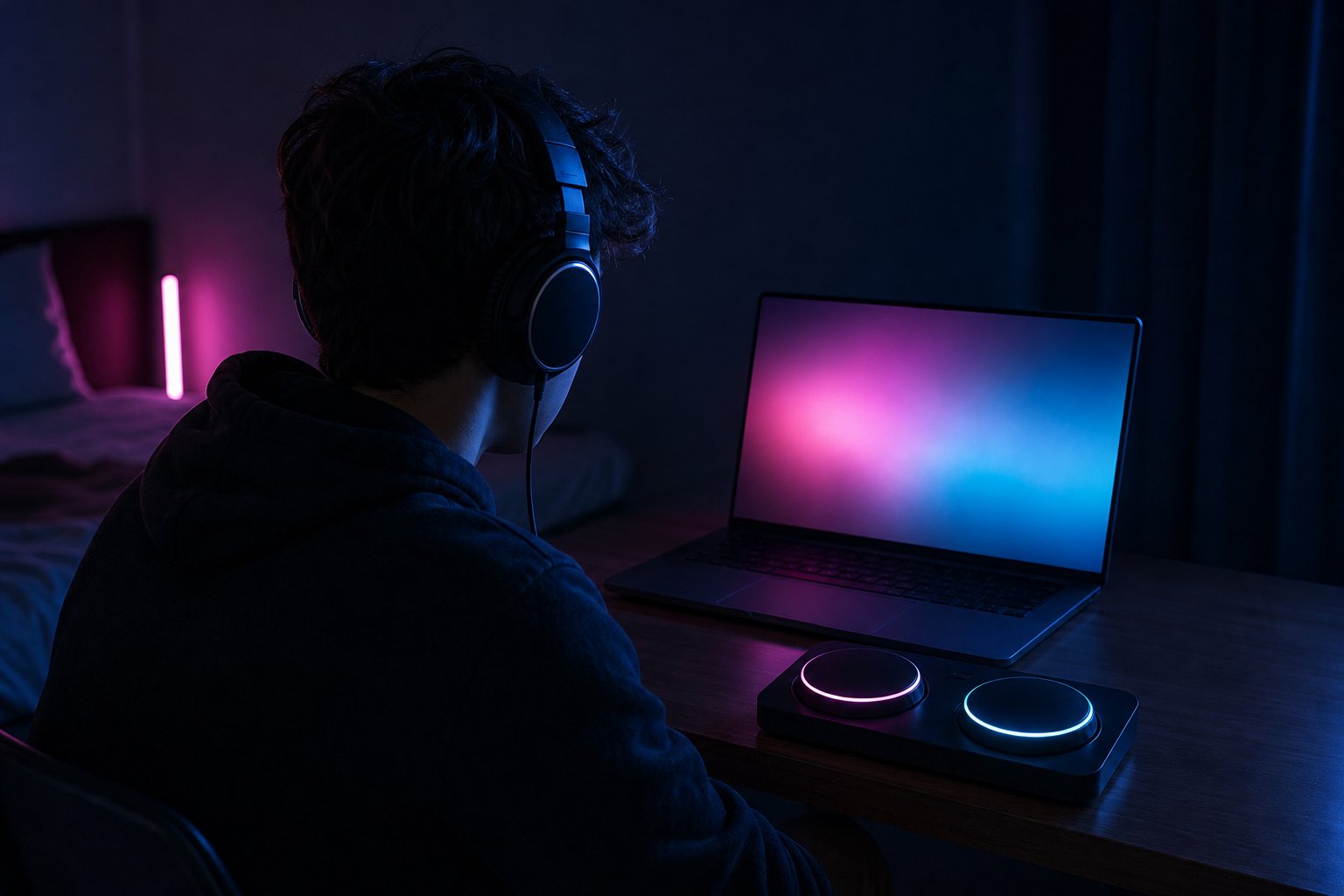
Since 2024, access to DJ equipment has been democratized to unprecedented levels. Entry-level controllers cost less than an iPhone. Streaming platforms allow practice with million-track catalogs without buying a single song. YouTube and TikTok tutorials teach basic mixing in an afternoon. AI-assisted mixing software and automatic BPM analysis tools removed the technical barriers that once filtered casual interest from serious commitment.
This is a double-edged sword. On one hand, more people can genuinely explore whether DJing is for them before investing thousands of dollars in gear. On the other, the market flooded with mediocre DJs who saturate the lower-tier venues and compress rates downward. Mid-level DJs who once charged five hundred dollars for a night now compete with someone wielding a Hercules controller willing to play for two hundred "for the experience."
What This Says About Global Club Culture
That four Anglophone countries share this data point isn't geographic coincidence — it's cultural synchronicity. The United States, Canada, Australia, and New Zealand share social media platforms, streaming services, influencers, and festival circuits. Festival culture normalized itself in those markets in a way that, in Latin America, is still in process. The infrastructure for nightlife and outdoor festivals is so robust in the Anglophone world that the fantasy has more visible entry points.
The Angle Nobody Mentions: The DJ as Content Creator
Part of the modern appeal of DJing has nothing to do with the dance floor. It has everything to do with Instagram, Twitch, and YouTube sets accumulating millions of views. The DJ of 2026 doesn't just mix — they produce content, build community, sell merch, and teach online courses. They're a content creator with a sonic identity. That significantly expands the business model and explains why the profession became so attractive to generations that grew up watching their favorite creators monetize their passion from a laptop.
In that sense, the study doesn't just measure the desire to blend records. It measures the desire to build a public identity around something you love — and the DJ became the most visible vehicle for that fantasy.
The Uncomfortable Question
Is it a good thing that being a DJ is the most desired job? Depends on who you ask. For the DJ equipment industry, great. For festivals that need headliners with millions of followers, irrelevant — those names are already locked in. For the average DJ trying to make a living from music, market saturation is a real problem that no "most desired jobs" study is going to solve.
Mass desire doesn't democratize success. What it democratizes is participation — and that, in itself, is not nothing.