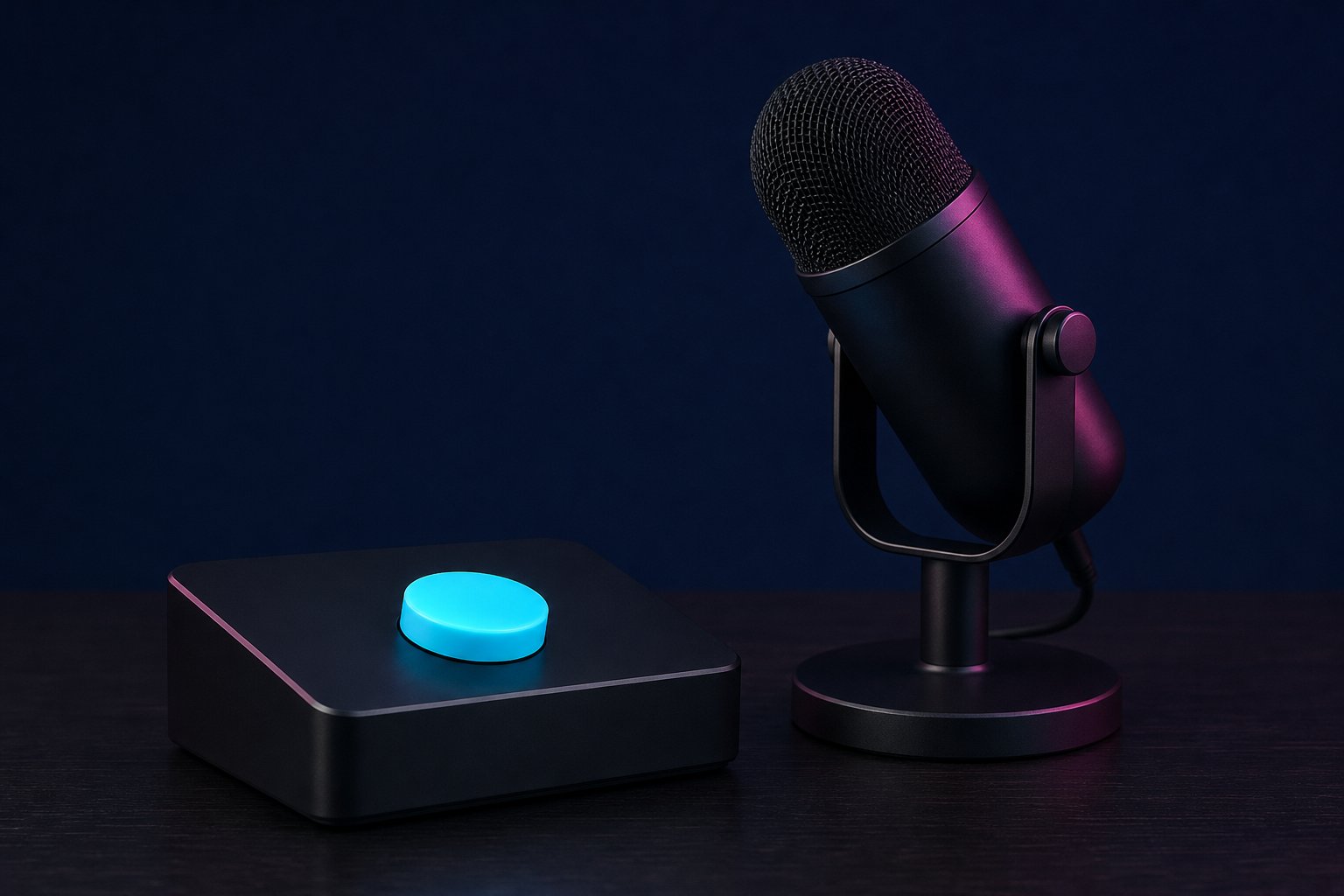
Maono P1 and P2: When the Audio Industry Finally Admits Not Everyone Is a Recording Engineer
The audio interface market has spent years split between two worlds that rarely touch: the one where producers know exactly what every knob does, and the one where content creators just want their voice to sound good without needing an acoustical engineering degree. Maono, the Chinese brand that has been steadily gaining ground in the accessible audio accessories segment, has just unveiled its P1 and P2 interfaces with a pitch that sounds simple but that very few manufacturers have actually pulled off: remove the complexity without removing the quality. And in July 2026, with the creator market more saturated than ever, that is no small thing.
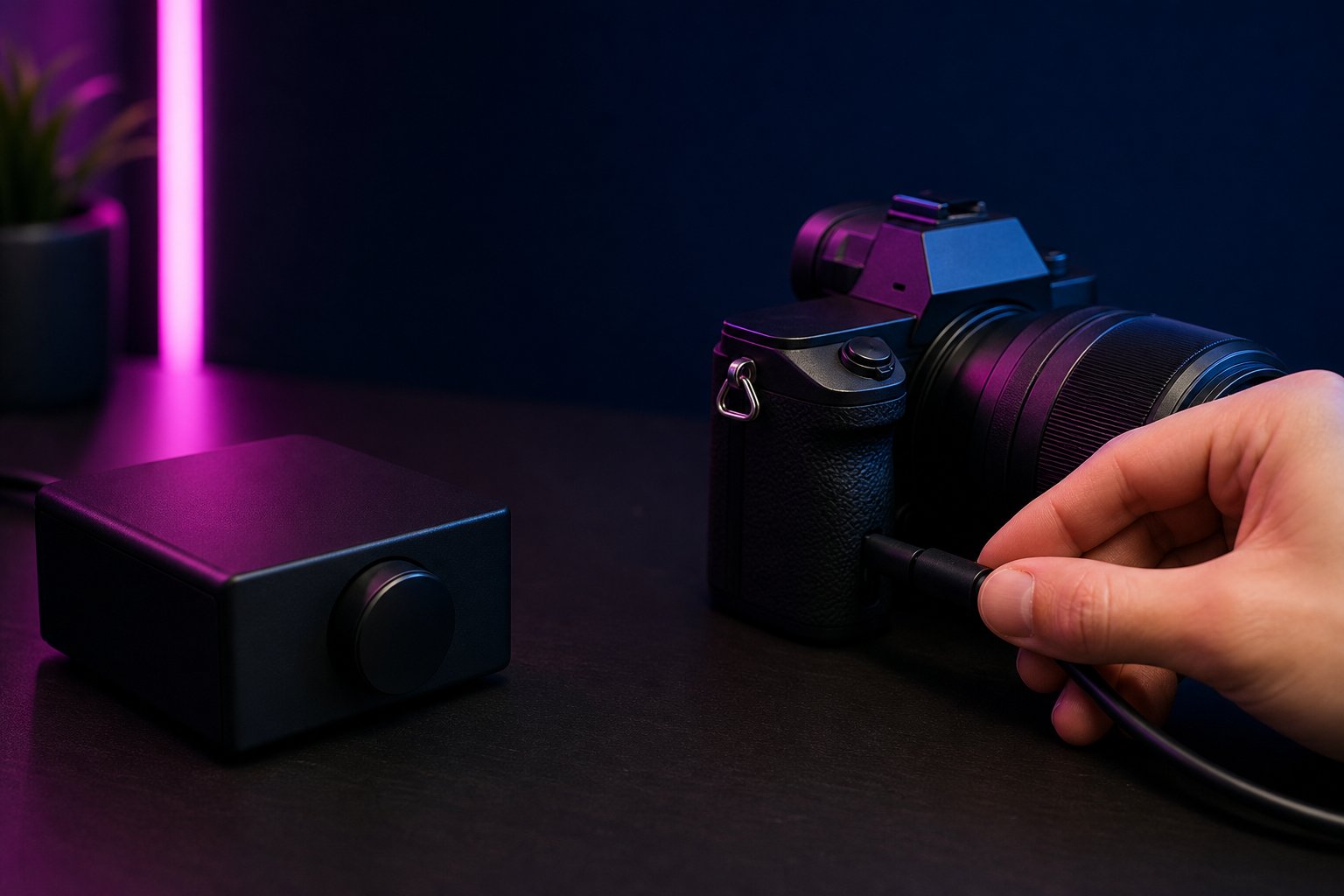
The P1 and P2 are not the first attempt at an interface "for everyone." Focusrite has carried that flag for years, and brands like MOTU and PreSonus have made their own moves in that direction. But Maono is targeting a more specific niche: the streamer, the YouTuber, the podcaster who also needs to integrate their setup directly with a camera, not just a computer. That is where things get interesting. Direct camera integration — something traditional interfaces almost entirely ignore — places the P1 and P2 in their own category within a market where most competitors are still thinking in terms of recording studios, not desks with three monitors, a ring light, and a mirrorless camera.
Two Models, One Philosophy
The P1 is the entry point of the duo: compact, with intuitive operation and aimed at the solo creator who works without a production assistant or a budget to outsource the technical side. The P2 steps it up with more connectivity and features built for streamers who already have a more complete setup and need something that can live between their mic, their camera, and their streaming software without creating bottlenecks or requiring exotic drivers that break with every Windows update.
Both units bet on the same thing: plug in, configure in minutes, and start creating. No menus buried inside proprietary software. No forty-five-minute tutorials to understand direct monitoring. No feeling that the interface is smarter than you. It is a design philosophy that seems obvious but requires real discipline to execute, because it means saying no to features that look great on spec sheets but complicate the experience for 80% of buyers.
Context Matters: 2026 and the Creator Market
We are at a point where the volume of content produced daily is staggering. Platforms like Twitch, YouTube, TikTok Live, and the increasingly popular video podcast formats have created sustained demand for audio gear that sounds good, is accessible, and does not require a brutal learning curve. The problem is that the audio production chain still carries studio logic: traditional manufacturers design for engineers and then try to simplify for everyone else, when it should be the other way around.
Maono understood that before many competitors with far more history. Their USB mics already carried that philosophy, and now they are extending it to interfaces. The risk, of course, is staying on the surface: making something easy to use but mediocre-sounding, or having preamps so weak that any decent microphone exposes them. Full technical specs for the P1 and P2 preamps are not yet fully documented in public materials, but the price positioning and the target segment — creators, not producers — suggests Maono is betting on sonic sufficiency, not studio excellence. For the use case they are proposing, that might be exactly the right call.
What This Says About the Market
The fact that a brand like Maono can launch interfaces with this pitch and generate coverage in specialist outlets like MusicTech says something about where the segment is heading. Quality audio is no longer exclusive to the studio. It lives in gaming rooms, apartment corners, and mobile setups. And the gear that supports it has to evolve with that reality. The P1 and P2 are not going to displace a Scarlett 2i2 among producers, and they are not trying to. They are going after the creator who today is using laptop audio or a budget USB mic and is ready to level up without that upgrade feeling like climbing Everest.
If Maono manages to deliver on its promise in terms of actual sound quality — not just user experience — these two interfaces could be a solid reference point in their category for the rest of 2026 and all of 2027. The promise is on the table. Execution is what will decide whether this is a relevant launch or just another well-marketed gadget.