The summer of 2026 is not being kind to the robotaxi industry. After years of promises, controlled pilots, and press releases filled with cautious optimism, companies betting on autonomous transportation now face pressure that no longer comes just from the market or from engineers — it comes from regulators, municipalities, and above all from a public that has run out of patience with the "coming soon" narrative. TechCrunch Mobility put it plainly this week: it's an ultimatum. Either robotaxis prove they can operate safely, scalably, and profitably under real-world conditions, or the experiment starts collapsing under the weight of its own complexity.
The Context That Actually Matters
To understand the weight of this moment, you have to remember where we came from. Waymo has spent more than a decade accumulating test miles. Cruise had to suspend operations in 2023 after a serious incident in San Francisco. Tesla keeps promising its own robotaxi service, which exists in limited beta but whose real expansion remains an open question. And in the middle of all this, cities like Austin, Phoenix, and San Francisco became involuntary urban laboratories where residents learned to coexist — sometimes reluctantly — with driverless vehicles blocking intersections or getting confused in front of construction cones.
What changed in 2026 is not the technology itself, but the regulatory context and social tolerance. The NHTSA has tightened its incident reporting requirements. California now demands far more granular performance data before granting expansion permits. And several mid-sized cities that once competed to host pilots are now asking for civil liability guarantees that insurers don't quite know how to price.
Two Models, One Crossroads
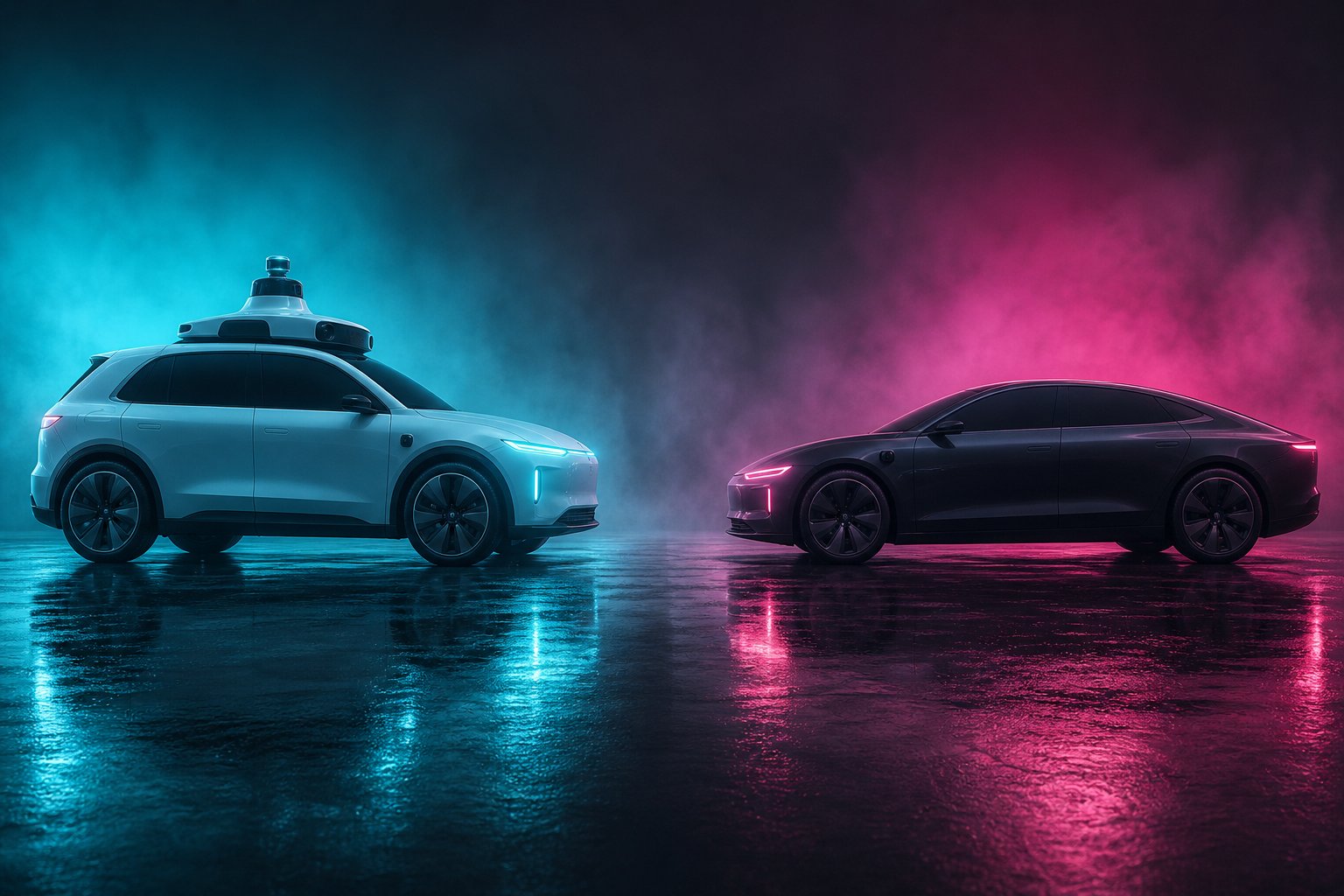
The industry is split between two philosophies that can no longer comfortably coexist. On one side is the Waymo model: massive investment, specialized hardware, slow but documented deployment, profitability that hasn't arrived but is justified by solid safety data. On the other is the Tesla model: pure computer vision, a massive fleet as a data source, a promise of scale that theoretically reduces marginal cost to zero. These are radically different bets on what it means to "solve" the autonomous transportation problem.
The ultimatum TechCrunch describes is not just political — it's structural. If Waymo can't find a way to reduce operating costs without compromising safety, its model becomes unsustainable at medium scale. If Tesla can't demonstrate that Full Self-Driving can operate without human supervision in unpredictable urban conditions — and document it with the transparency regulators now demand — the Tesla robotaxi promise gets reduced to high-budget marketing.
What This Means Beyond Silicon Valley
This is where the analysis gets interesting for anyone watching from Mexico or from any Latin American city. The robotaxi debate in the US is not disconnected from what's coming for the rest of the continent. Mobility companies operating in Mexico City, Monterrey, or Guadalajara — from ride-hailing platforms to delivery fleets — are watching very closely to see how this regulatory knot gets untangled to the north. If the US manages to establish a clear and functional framework for autonomous vehicles, that framework becomes the reference point for Latin American regulators who will inevitably have to legislate on the subject.
But if the experiment fractures — if robotaxis end up confined to a few permissive cities with small, subsidized fleets — the message that reaches the south is different: vehicular autonomy is a laboratory luxury, not a mass transportation solution. And that has enormous implications for countries where public transit is deficient and where the promise of autonomous, affordable mobility could mean something real for millions of people.
The AI Factor Nobody Has Fully Integrated
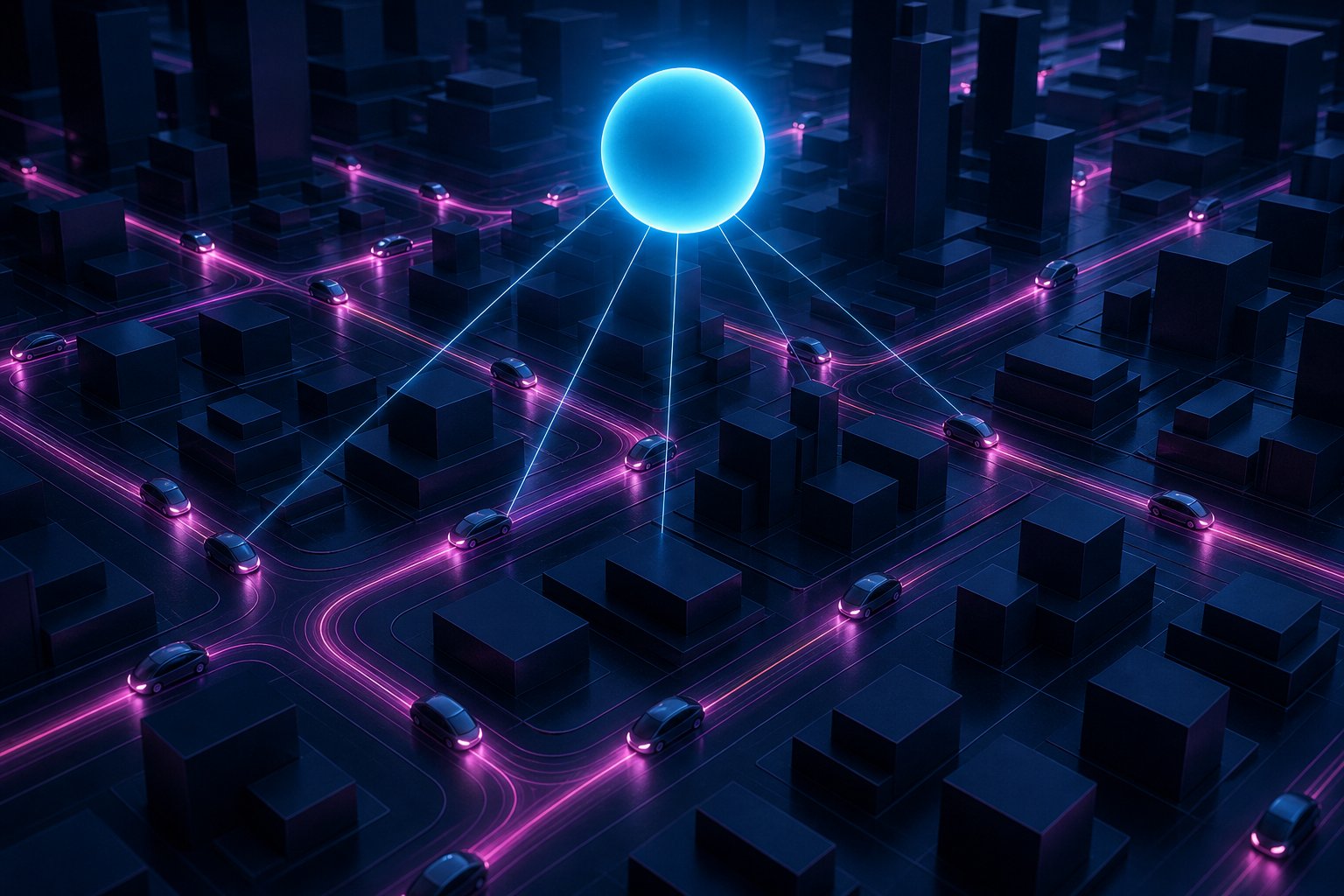
TechCrunch Mobility highlights something that deserves special attention: the growing role of AI not just as a driving system, but as operational decision infrastructure. Modern robotaxis don't just "drive" — they manage fleets, predict demand, optimize routes in real time, and report incidents automatically. This means AI is embedded in layers of the business that go far beyond the virtual steering wheel.
The problem is that this deep integration also multiplies failure vectors and liability questions. When a robotaxi makes a wrong decision, who's responsible? The vehicle manufacturer, the AI model developer, the operating company, or the fleet management platform? That question has no clear legal answer in any US state right now, and the lawyers are lining up.
The Bottom Line
Robotaxis aren't going away. But they are going to have to grow in a way that the hype of recent years made seem unnecessary: with technical humility, regulatory transparency, and a willingness to operate at small scale before claiming they've conquered urban transportation. The ultimatum is real. And whoever doesn't understand that in the next twelve months will understand it when their operating permit gets pulled.