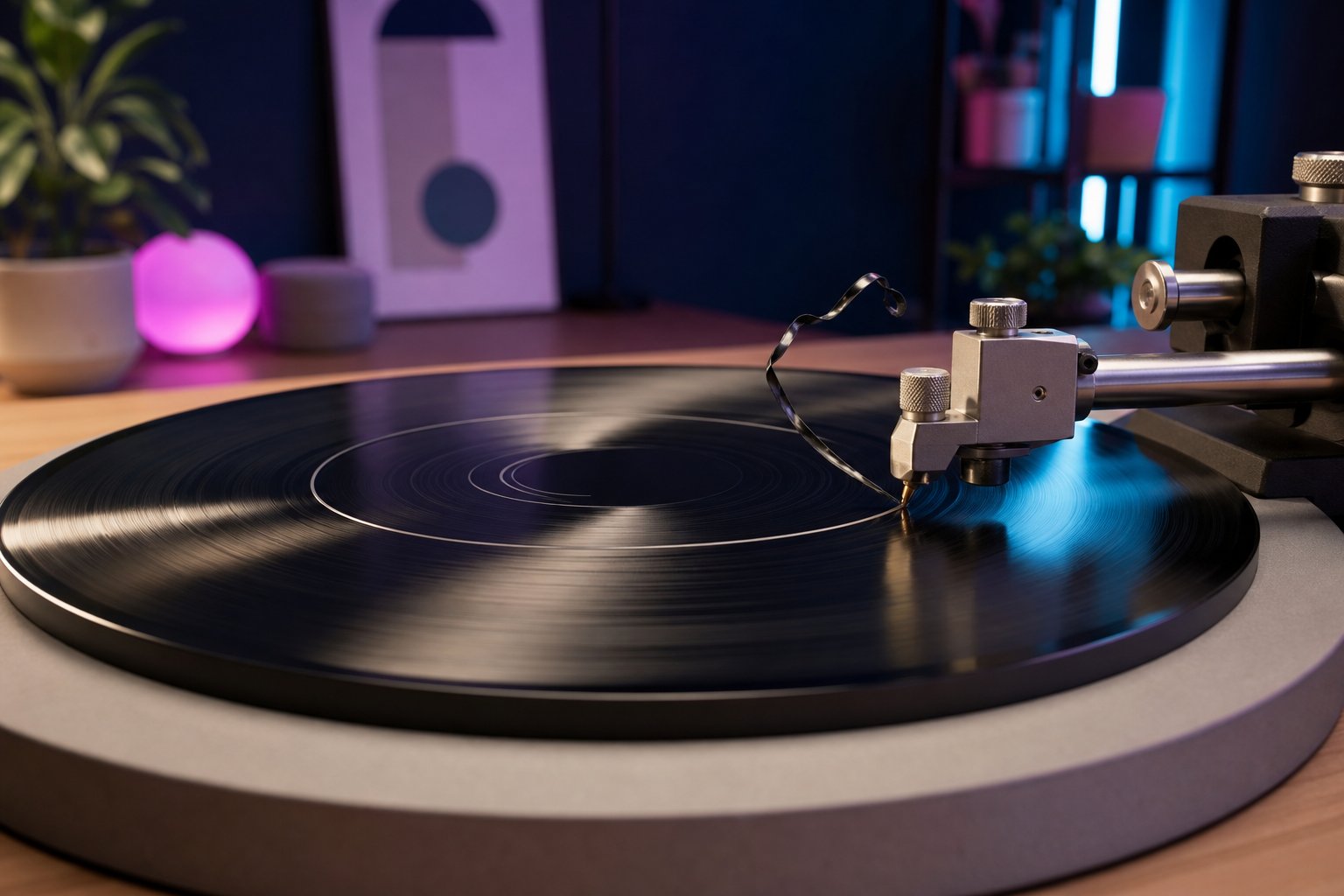
For decades, cutting a vinyl record was a ritual reserved for mastering studios with six-figure equipment, engineers with years of hands-on experience, and budgets that most independent producers never came close to seeing. Teenage Engineering, the Swedish firm that has spent years proving that hardware design can be simultaneously rigorous and completely irreverent, has just unveiled the APC-2: an analog record cutter built in collaboration with SUPERSENSE, the Austrian analog production specialists, with a stated purpose that is both simple and ambitious — bringing that process into the studio of any musician who wants to use it.
The Problem the APC-2 Is Here to Solve
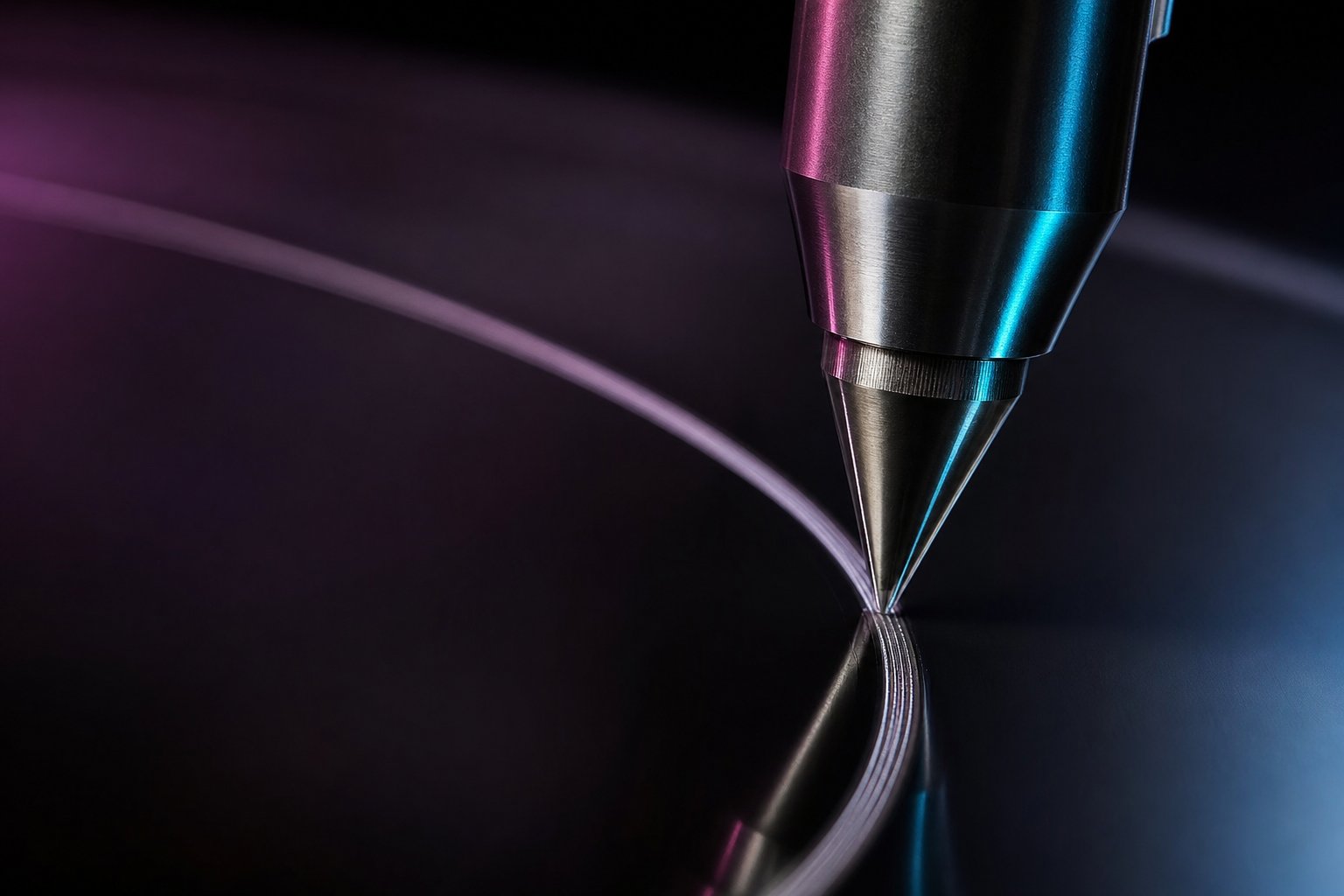
Vinyl is living through a strange moment. Sales have been outpacing CDs for years in markets like the US and Europe, independent labels are pressing plants with months-long waiting lists, and yet the lacquer-cutting process — that step before pressing where a stylus physically engraves audio into a disc — remains technically out of reach for the average producer. Not because the physics are impossible to replicate at a smaller scale, but because the entire ecosystem was designed to operate in industrial environments. As Teenage Engineering's own framing puts it: "for a long time, the machine itself acted as a gatekeeper."
That gatekeeper had a very specific identity: mid-20th century Neumann machinery, specialized cutting amplifiers, RIAA equalization curves that need to be handled with surgical precision, and technical knowledge passed down in an almost guild-like fashion. The APC-2 takes direct aim at that bottleneck.
What the APC-2 Is and How It Works
The APC-2 is a compact analog acetate cutter designed to produce 10-inch lacquers. It is not a toy or a conceptual approximation of the process — it is functional hardware with an integrated cutting amplifier, physical parameter control, and a design philosophy that, as is standard for Teenage Engineering, places the tactile experience at the center of everything. The collaboration with SUPERSENSE is not decorative: that house has real experience in artisanal vinyl production and brings the technical credibility that validates the APC-2 as a serious tool.
The device allows direct recording from both analog and digital sources, with control over cutting depth, groove pitch, and other parameters that in traditional equipment required the intervention of a certified technician. Teenage Engineering is not reinventing the physics of the process — it is democratizing access to it through interface design and a dramatically reduced learning curve.
Why This Matters Beyond the Gadget
There is a conversation that independent producers, small labels, and artists seeking full control over their production chain have been having for a while: how far can you actually bring the process into your own space? The APC-2 pushes that boundary in a meaningful way. Producing a lacquer at home is not the same as pressing thousands of copies, but it does mean an artist can hear their mix on vinyl before committing budget to a pressing run, can produce truly limited one-of-a-kind editions, or can use the format as part of an installation, a live performance, or a self-released physical object without depending on anyone else.
For the club music and electronic music ecosystem — which is a core part of what we cover at osky.dj — the implications are concrete. DJs who also produce, techno and house labels operating with runs of 300 to 500 copies, artists who want their music to exist as an irreplaceable physical object: all of them have legitimate reasons to pay attention to the APC-2.
Teenage Engineering and the Usual Playbook
It would be naive not to recognize the pattern Teenage Engineering has executed with remarkable consistency: take something technically intimidating, wrap it in impeccable design, price it at a point that stings but is a fraction of professional cost, and launch it with enough hype to sustain the conversation on its own. They did it with the OP-1, with the Pocket Operator, with the OP-Z. The APC-2 follows the same logic.
The relevant question is not whether the device is well designed — it almost certainly is. The question is whether the quality of the resulting cut holds up against a lacquer produced in a professional mastering studio. For artistic editions, limited runs, and personal use, the answer is probably that it matters less than one might think. For commercial mastering destined for mass pressing, the standard remains elsewhere.
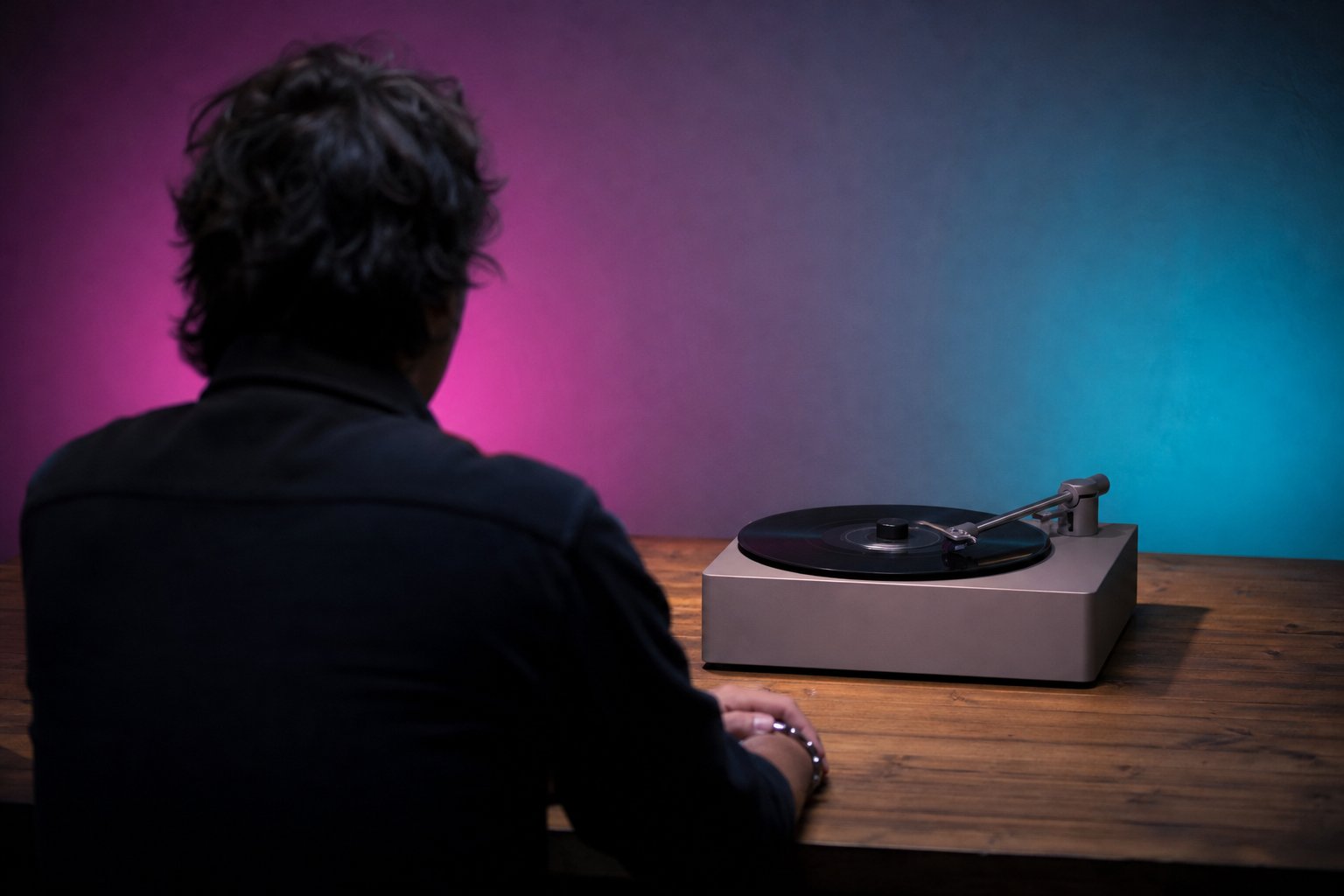
But that does not diminish the APC-2's significance. Removing the lock from a technology that had spent decades as the exclusive property of specialists is, in itself, an act with real cultural consequences. And Teenage Engineering, as always, knows exactly what it is doing.