Vienna: palaces, waltzes and zero desire to take out my phone
Last stop in Austria: Vienna. And I'll be honest from the start: I barely took any photos. I was furious. I planned this trip around Gigi D'Agostino's concerts in Innsbruck and Linz, both fell through, and arriving in one of the most beautiful cities in Europe in that mood is like arriving at a party right after getting dumped. The images in this post come from Wikimedia Commons, credited to their authors, because Vienna deserves to look good even if I wasn't in the mood for photos.
Photo: Dietmar Rabich · CC BY-SA 4.0 · Wikimedia Commons
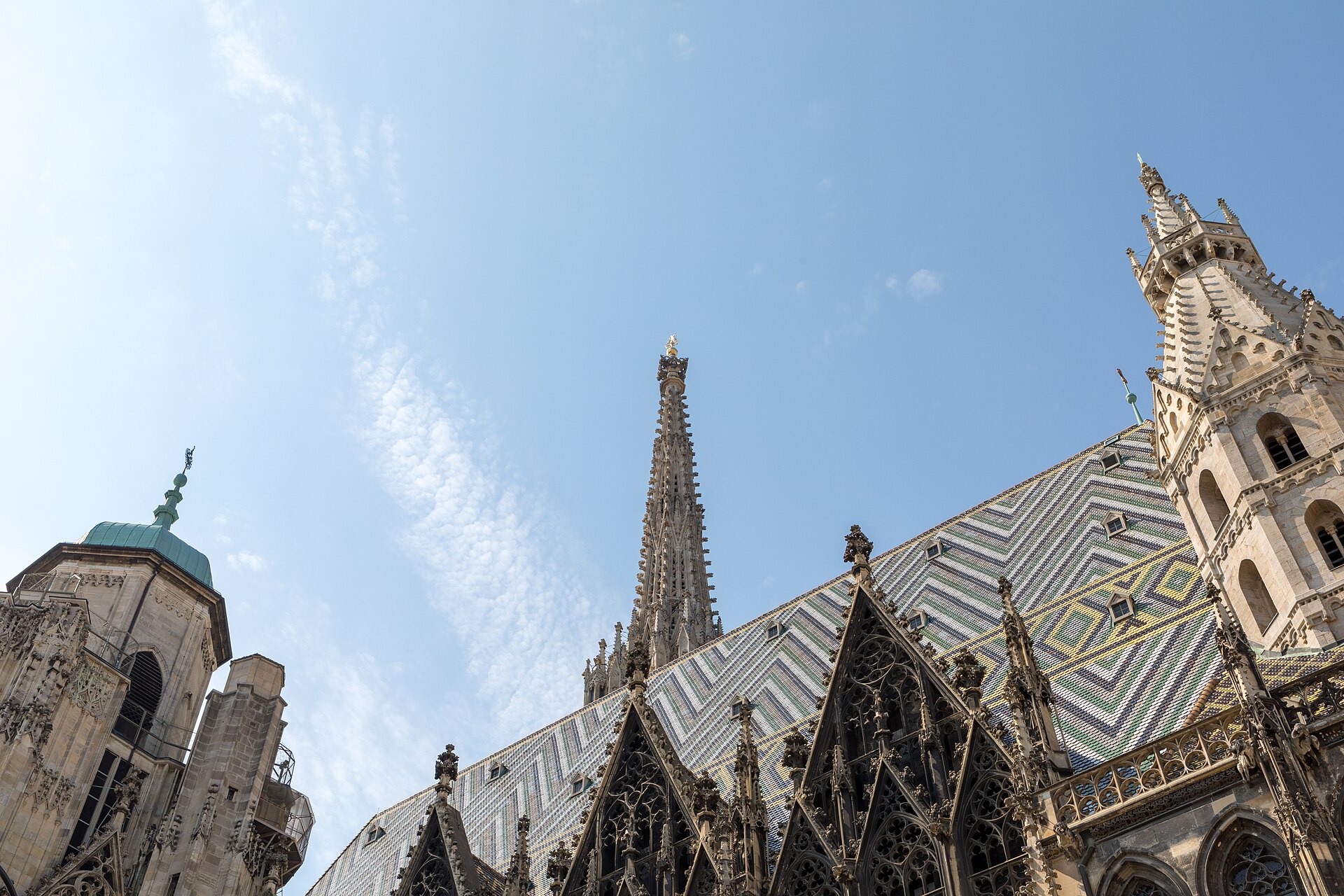
The symbol of the city is the Stephansdom, St. Stephen's Cathedral, with that colorful tiled roof that looks like each tile was placed by hand. Its south tower is 136 meters tall. The north tower holds the Pummerin, Austria's most famous bell: the original was cast from the bronze of cannons the Ottomans left behind after the siege of Vienna in 1683.
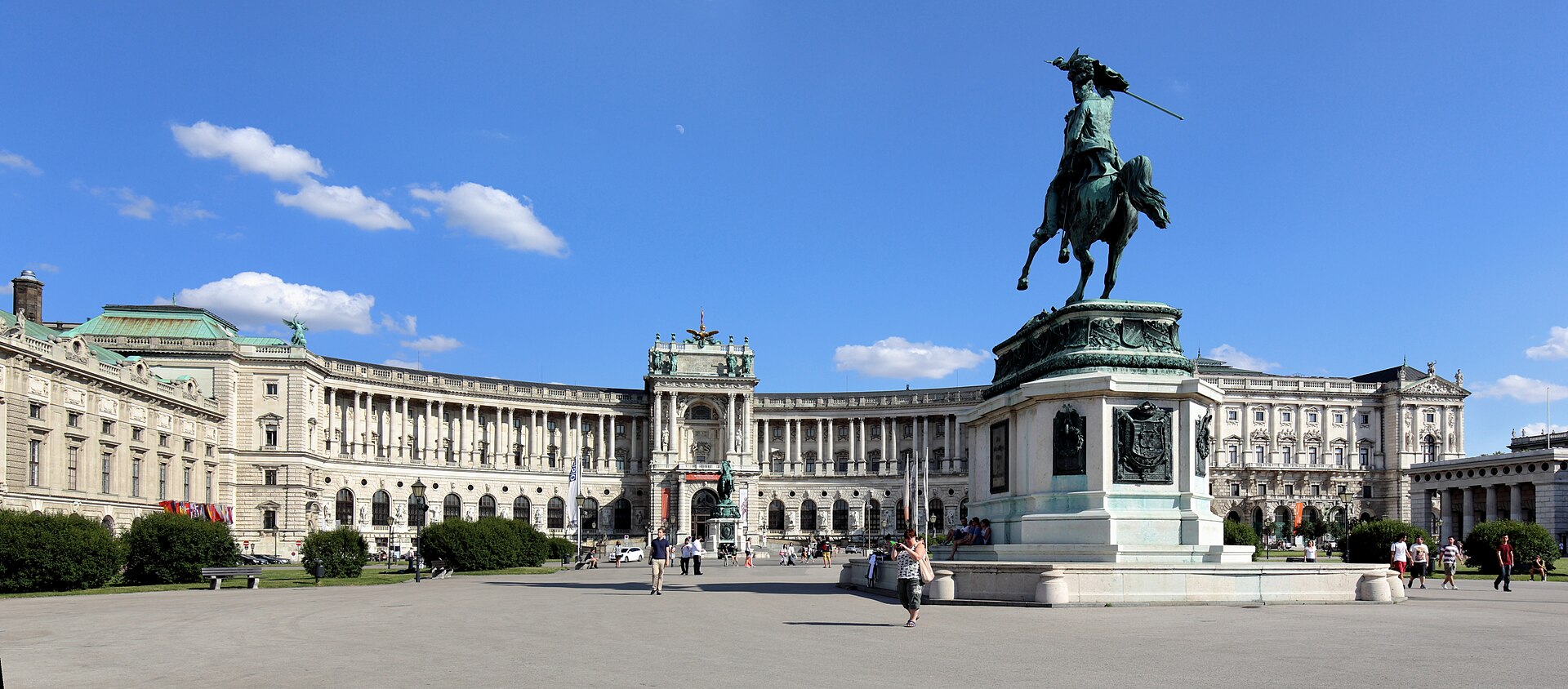
Photo: C.Stadler/Bwag · CC BY-SA 3.0 at · Wikimedia Commons
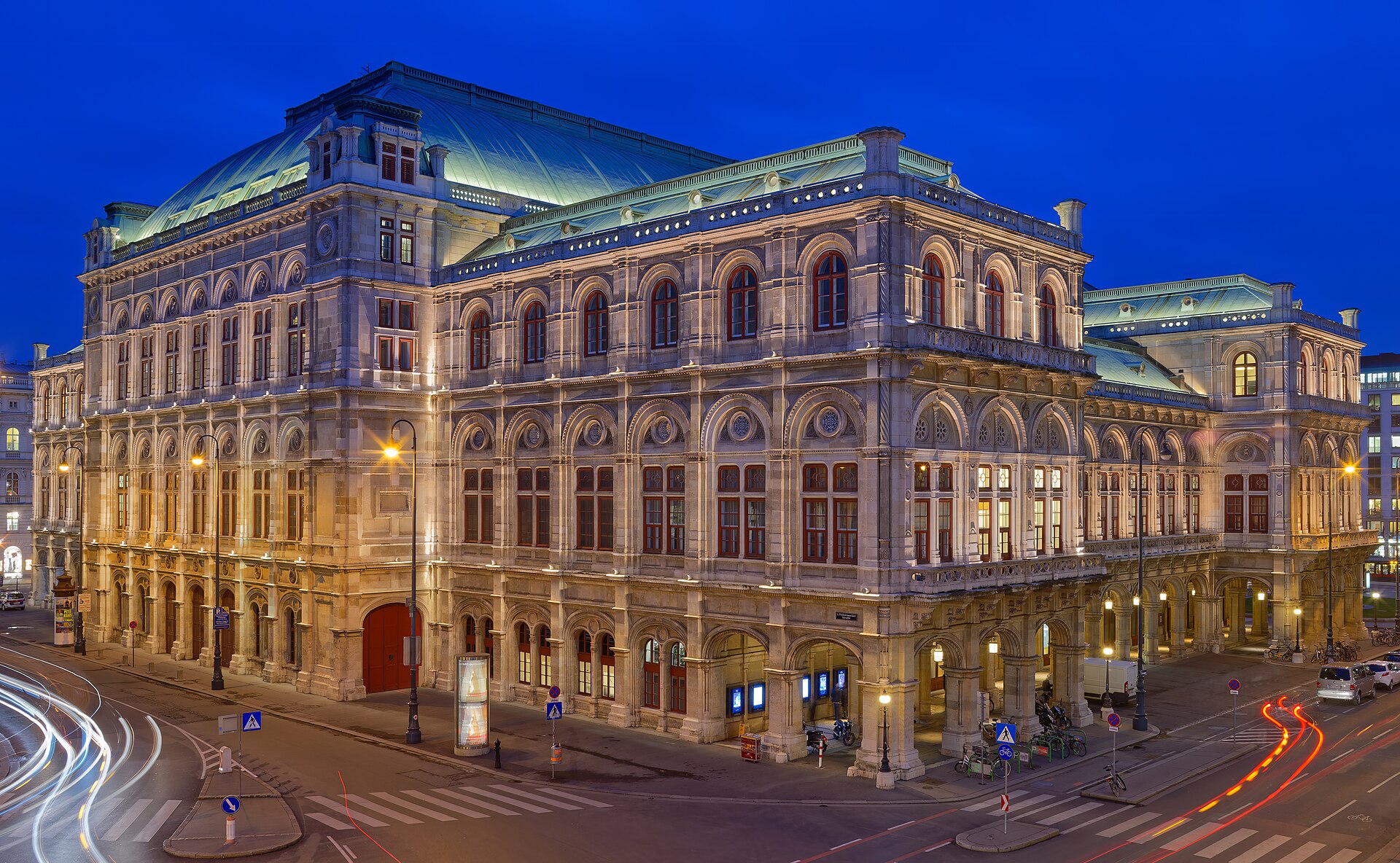
Photo: Granada · CC BY-SA 4.0 · Wikimedia Commons
Vienna is the capital of an empire that no longer exists, and you can feel it in every building. The Hofburg was the Habsburgs' residence for centuries. The Ringstraße, the grand boulevard around the center, was opened by Franz Joseph and Sisi on May 1, 1865, where the city walls used to stand. Along it are the State Opera, the Parliament and the museums. The historic center has been a UNESCO World Heritage Site since 2001.
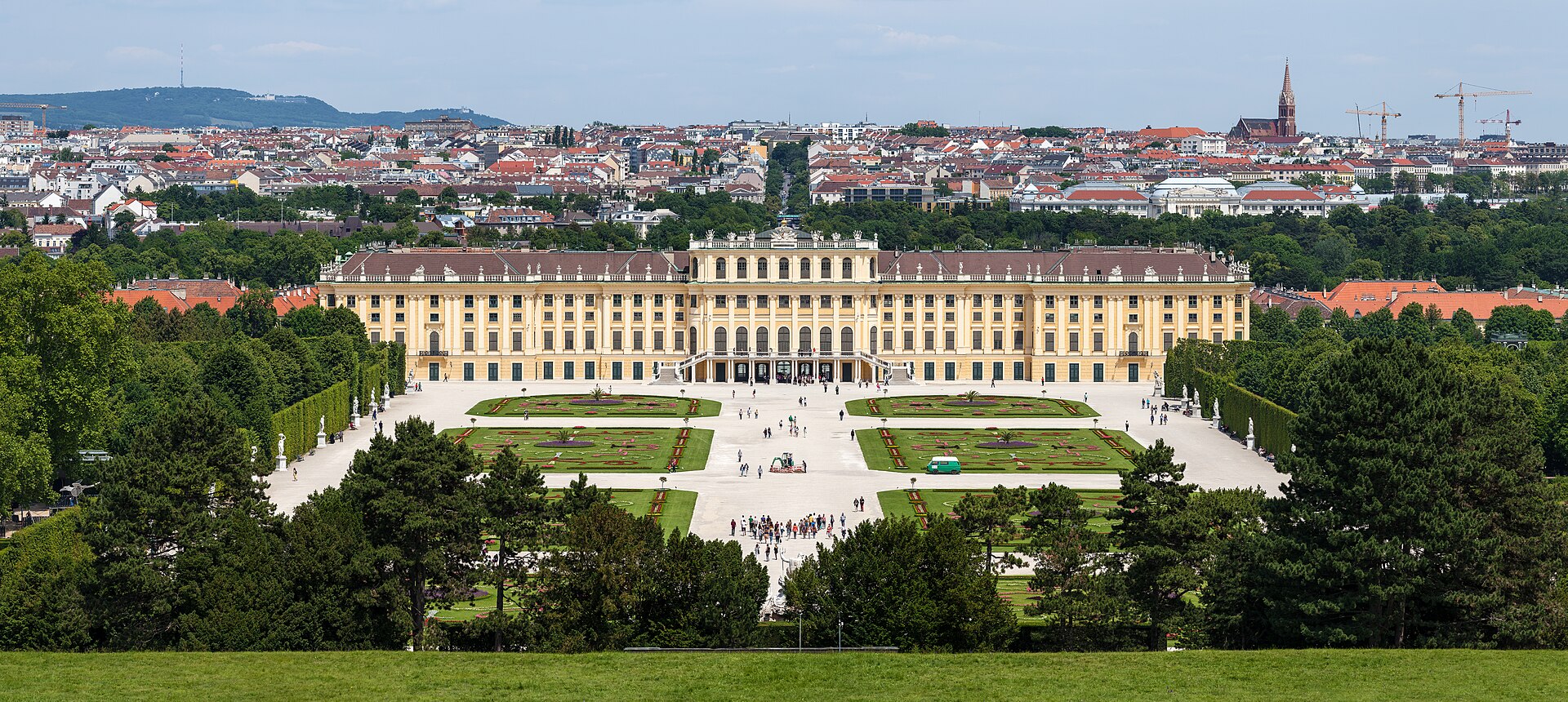
Photo: Thomas Wolf, www.foto-tw.de · CC BY-SA 3.0 de · Wikimedia Commons
Schönbrunn, the Habsburgs' summer palace, has been World Heritage since 1996, and its zoo, founded in 1752, is the oldest still operating in the world. And in the Prater stands the Riesenrad, the 1897 Ferris wheel, about 65 meters tall, almost as Viennese as the waltz.
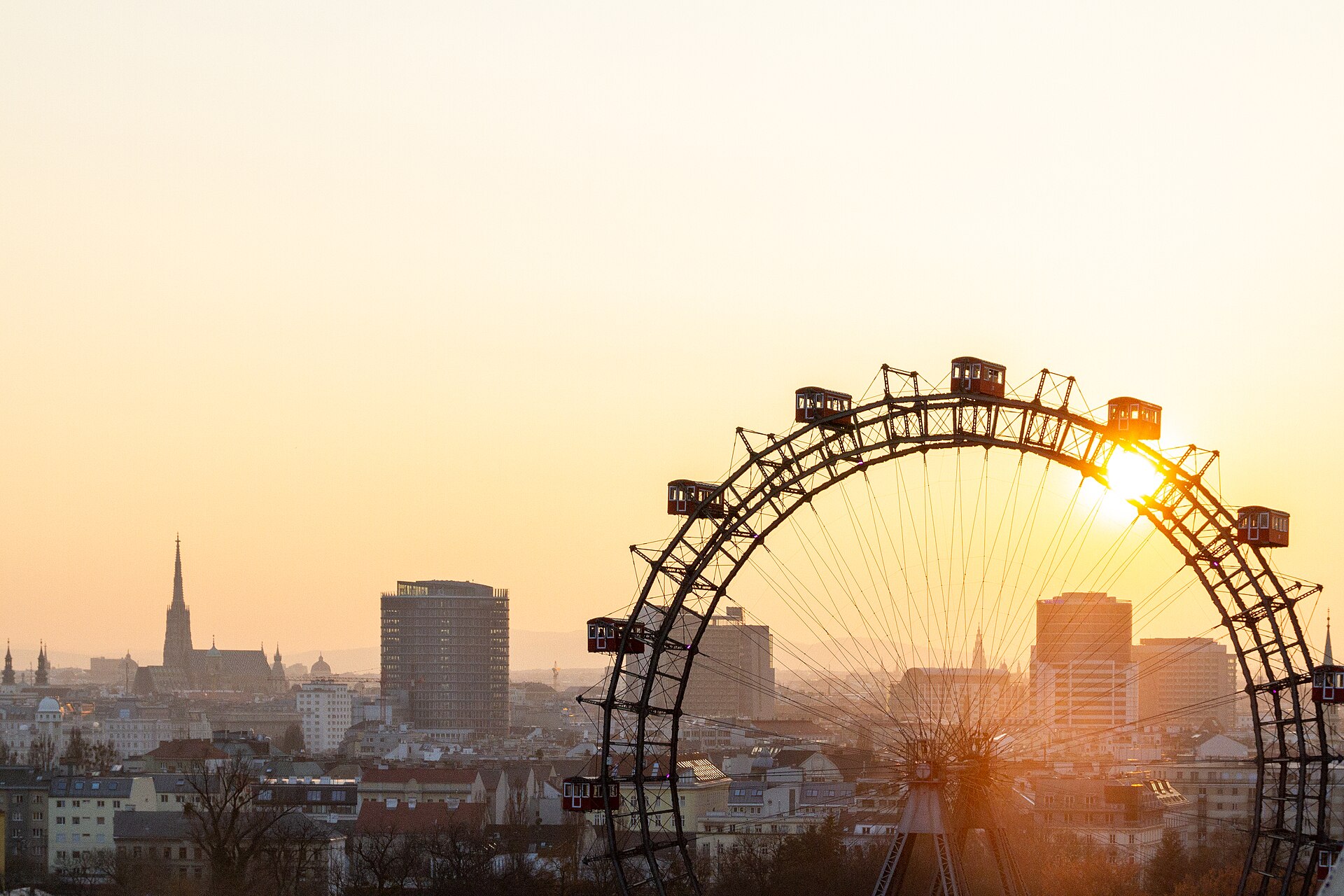
Photo: Dimitry Anikin · CC0 · Wikimedia Commons
Speaking of waltzes: Johann Strauss II's The Blue Danube premiered in 1867 to lift the spirits of a city that had just lost a war to Prussia. A depressed city that healed itself by dancing. I related.
But for me, as a DJ, Vienna has another side that matters more: the "Vienna sound". In 1993 Kruder & Dorfmeister released the G-Stoned EP, with a cover parodying Simon & Garfunkel's Bookends, and a few years later The K&D Sessions, a remix album that became the bible of downtempo and chill-out worldwide. Vienna's own tourism office calls it the city's most innovative sound since Schönberg. The electronic scene is still alive today in clubs like Flex or Grelle Forelle. In a different mood, that's where my night would have ended.
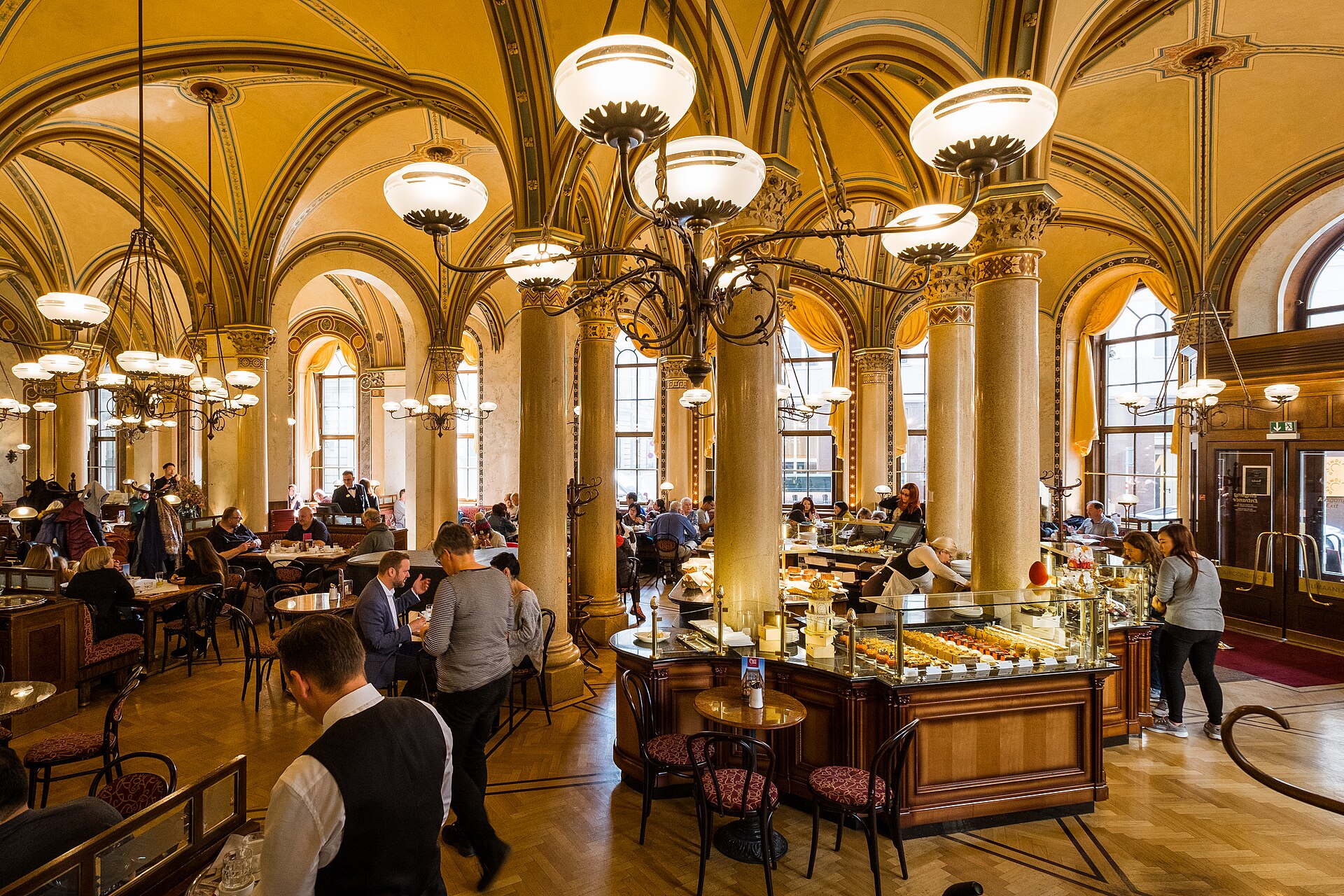
Photo: a.canvas.of.light from Melbourne, Australia · CC BY 2.0 · Wikimedia Commons
What's impossible to ignore in Vienna are the cafés. Viennese coffee-house culture has been recognized as intangible cultural heritage in Austria since 2011: places like Café Central, with sky-high ceilings and suited waiters, where you can spend hours over a coffee and a newspaper without anyone rushing you.
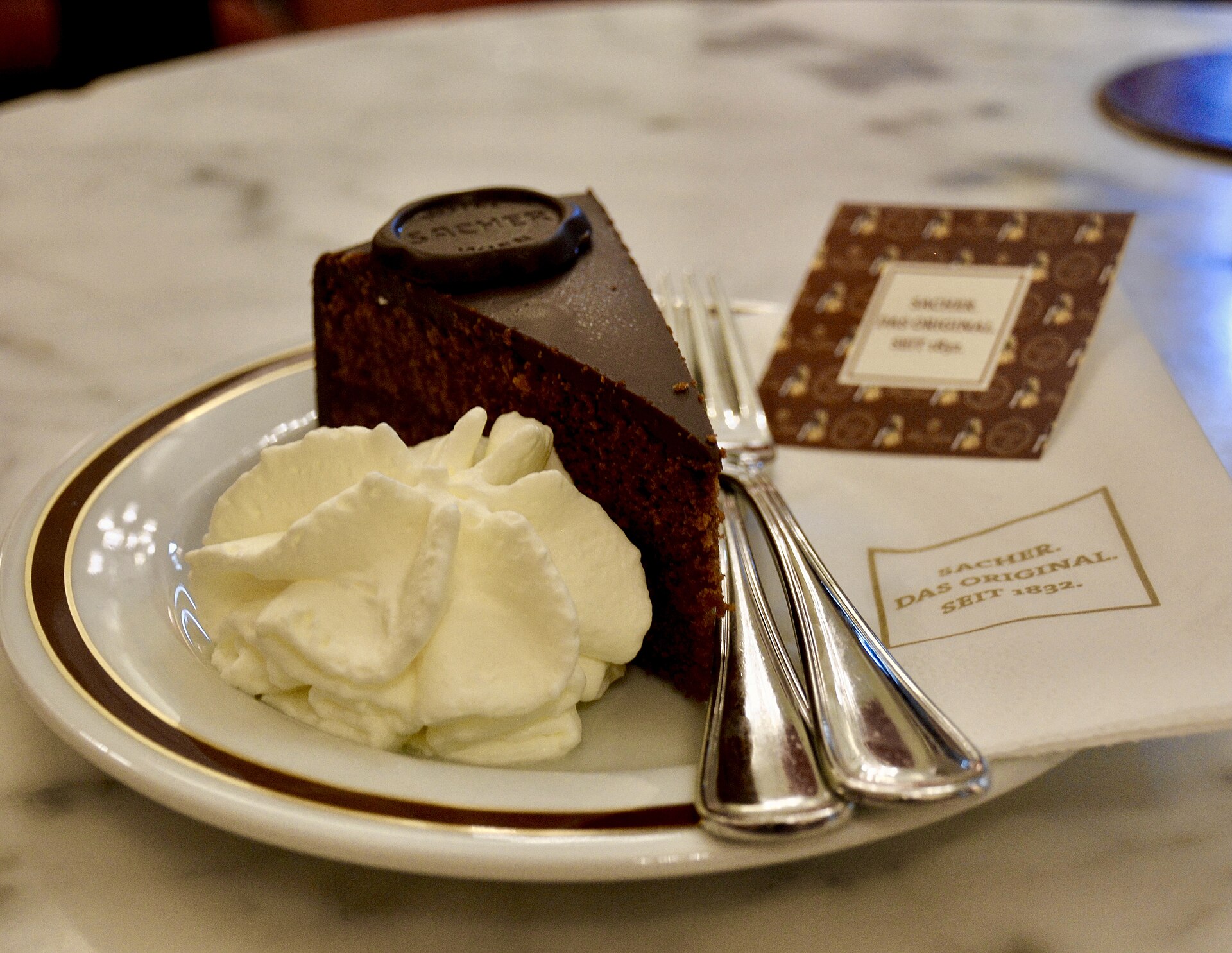
Photo: Rizka · CC BY-SA 4.0 · Wikimedia Commons
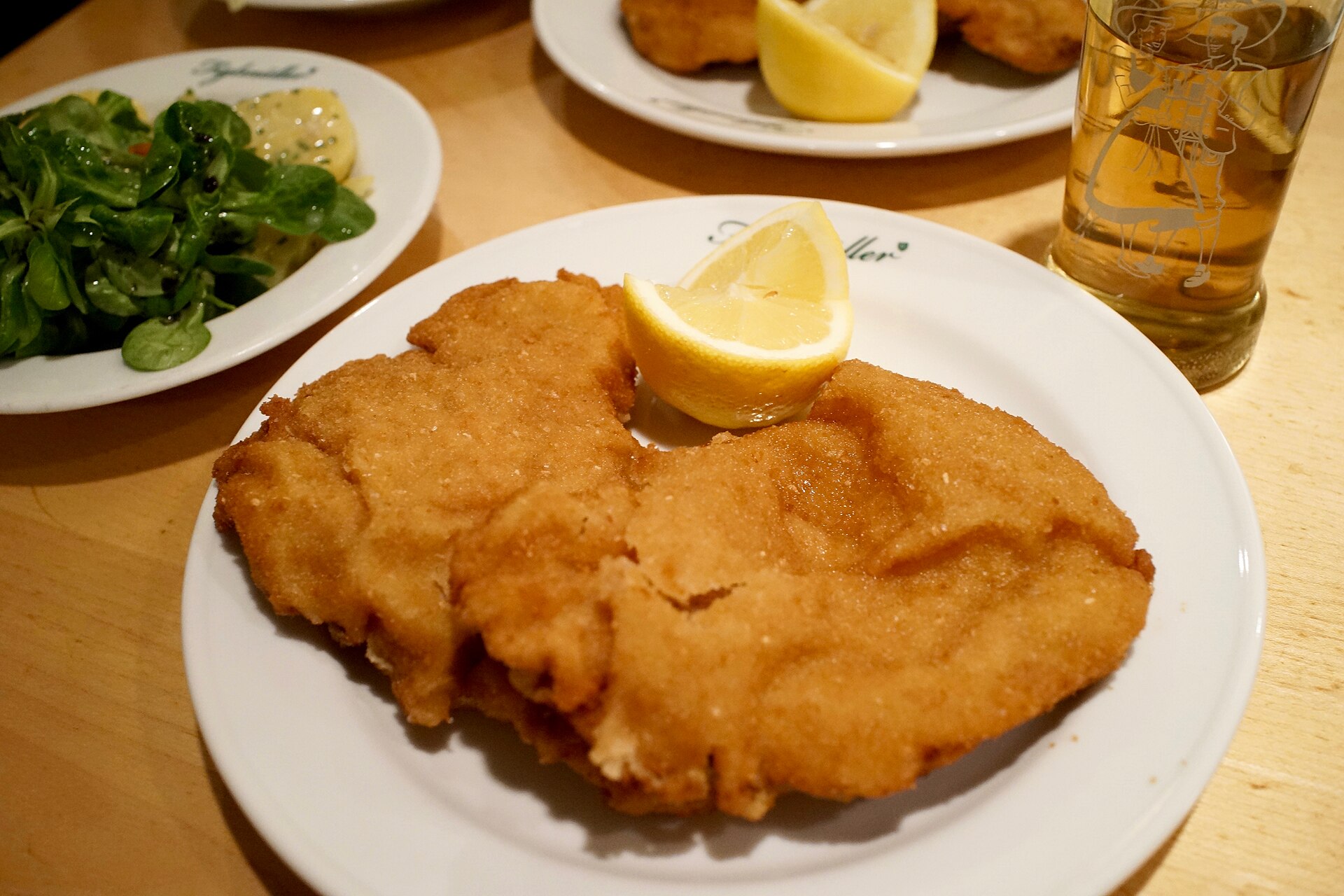
Photo: Jun Seita (flickr.com/photos/jseita) · CC BY 2.0 · Wikimedia Commons
And the mandatory food: Sachertorte, the chocolate cake with apricot jam that, according to tradition, was invented in 1832 by Franz Sacher, a 16-year-old apprentice. And the Wiener Schnitzel, which by law in Austria must be veal; if it's pork it has to say "vom Schwein". A country that regulates the name of a breaded cutlet. Austria, in a nutshell.
I close Austria with mixed feelings. On one hand, I honestly believe it has some of the best views in the world: the contrast between the mountains and the colorful little houses, the rivers, the monuments, all of it. On the other, the food isn't my thing (too much seasoning), and I struggled to connect with people: they try to be friendly, but between the dialects and the accent their English was hard for me to follow. To be fair, they're warmer than the Spanish.
And then there's Gigi. I know that officially it was a technical problem on the promoter's side and not his decision. But it's the second time: in 2016 his appearance at the EMPO Awards in Mexico fell through days before, and now I built an entire trip around two concerts that didn't happen. I've listened to him my whole life, and today all I can say is: something broke.
That closes the Austria chapter. Beautiful on the outside, bitter on the inside.
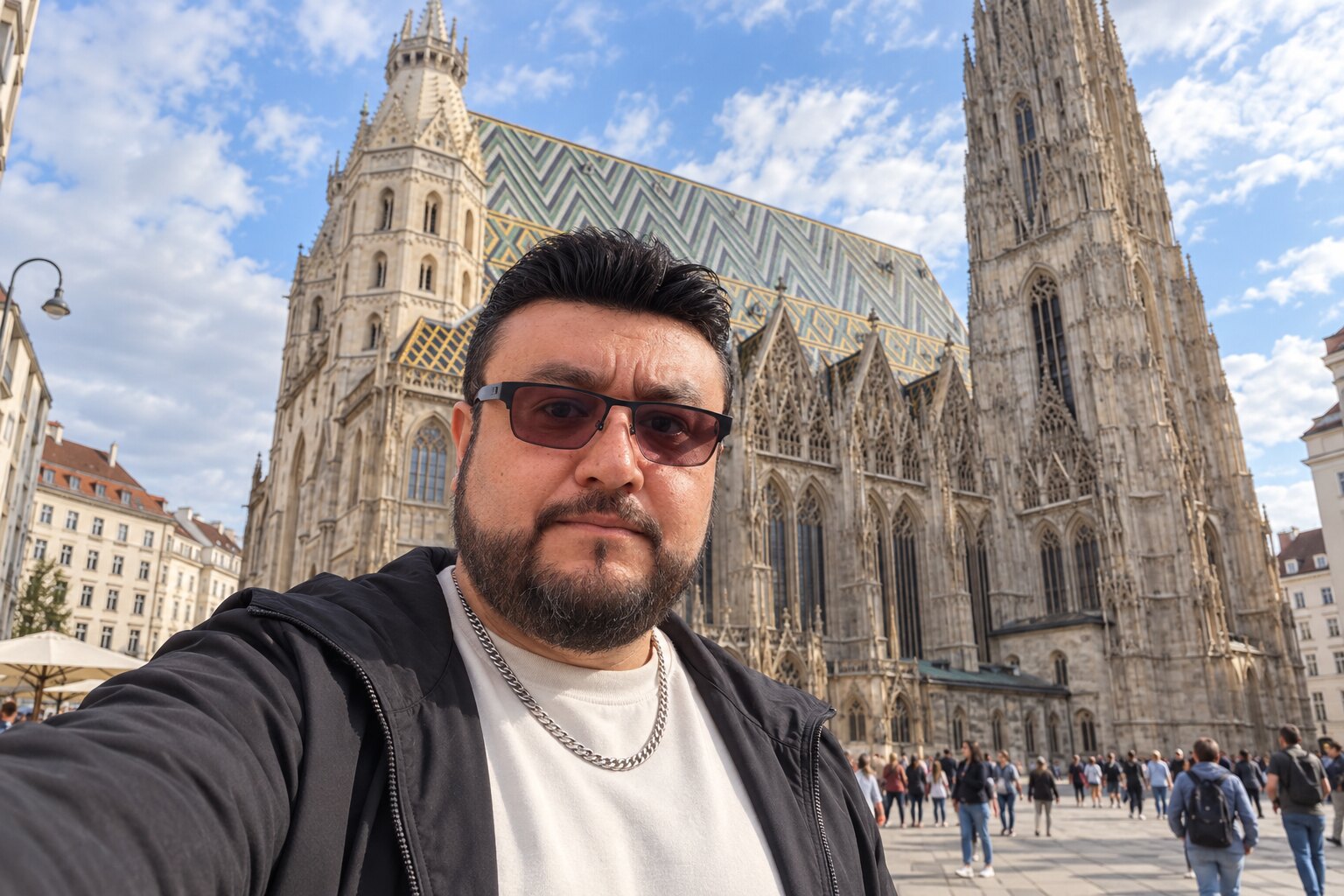
Me in front of the Stephansdom
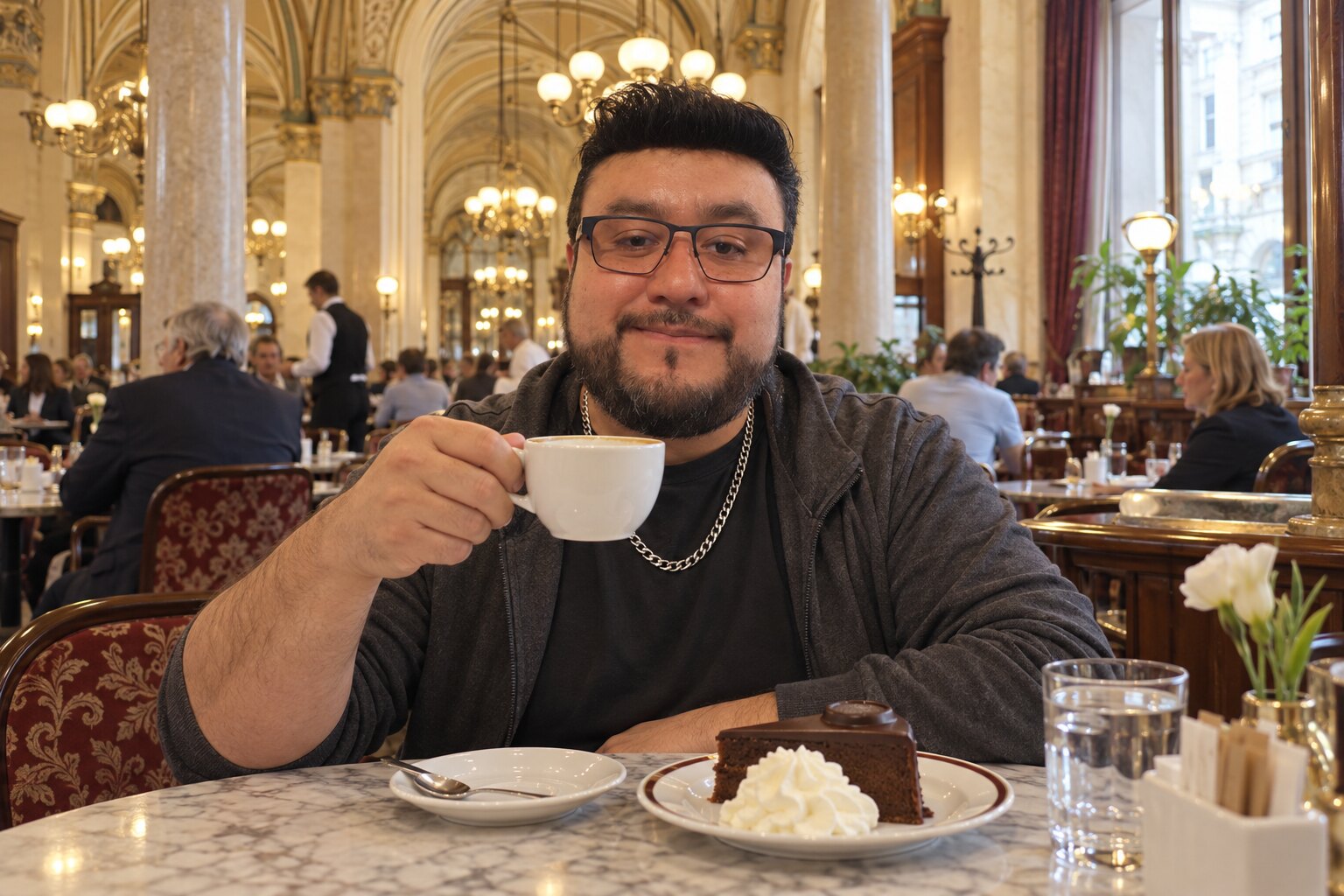
Me in a Viennese café