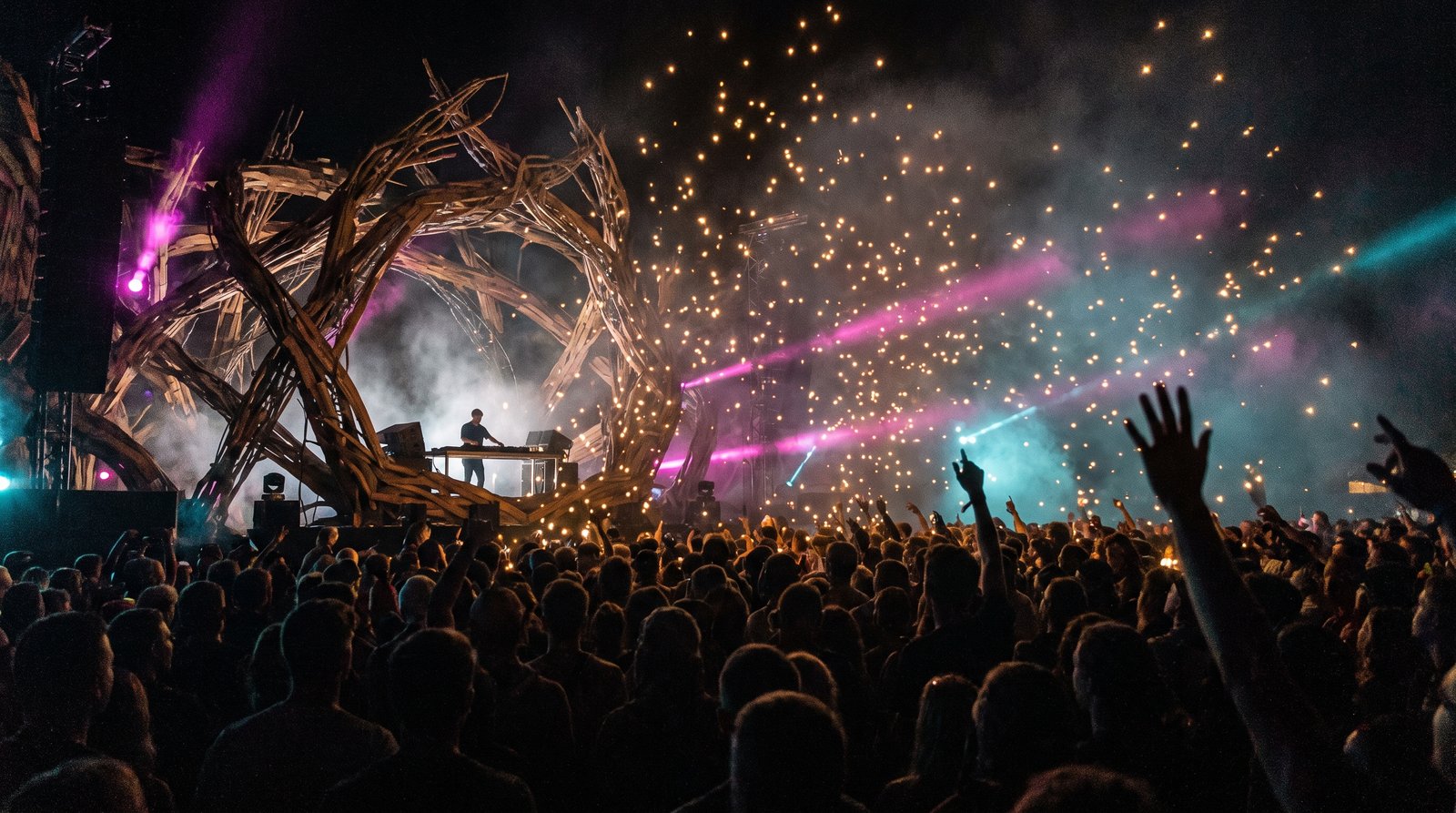
Fifteen years after stepping onto the most important stage of the world's largest electronic music festival for the first time, Charlotte de Witte returns to the Tomorrowland 2026 Mainstage, and she does so exactly the way someone of her caliber should: with no prior announcement, no marketing ca
It wasn't a rumor or a midnight leak: it was on the main stage of Tomorrowland 2026, in front of tens of thousands of people in Boom, Belgium, where Martin Garrix and U2 confirmed that their creative relationship was never a one-time thing.
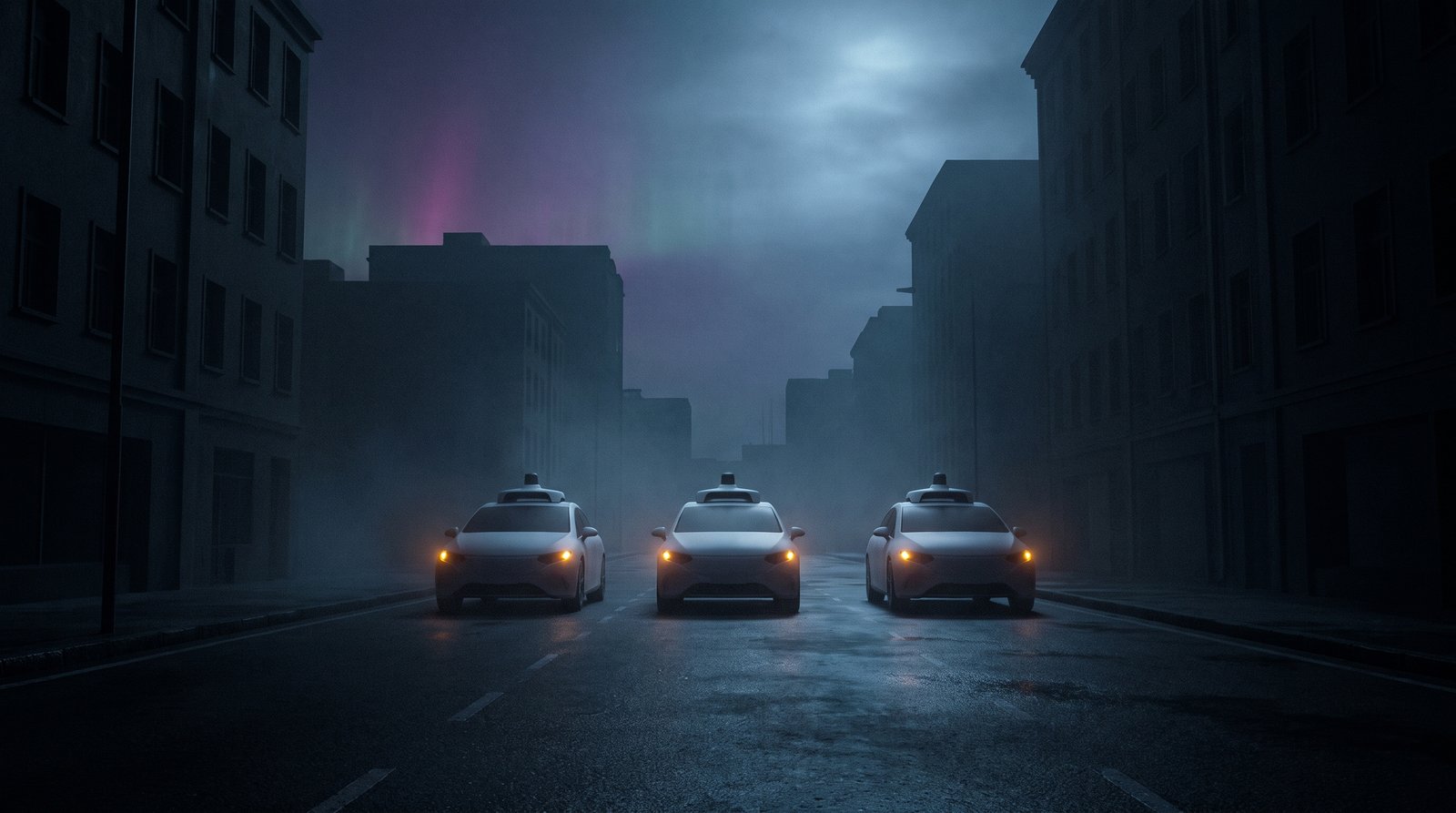
On July 18, 2026, San Francisco served up one of those uncomfortable reminders that autonomous mobility, no matter how sophisticated, remains tethered to infrastructure that hasn't been seriously updated in decades.
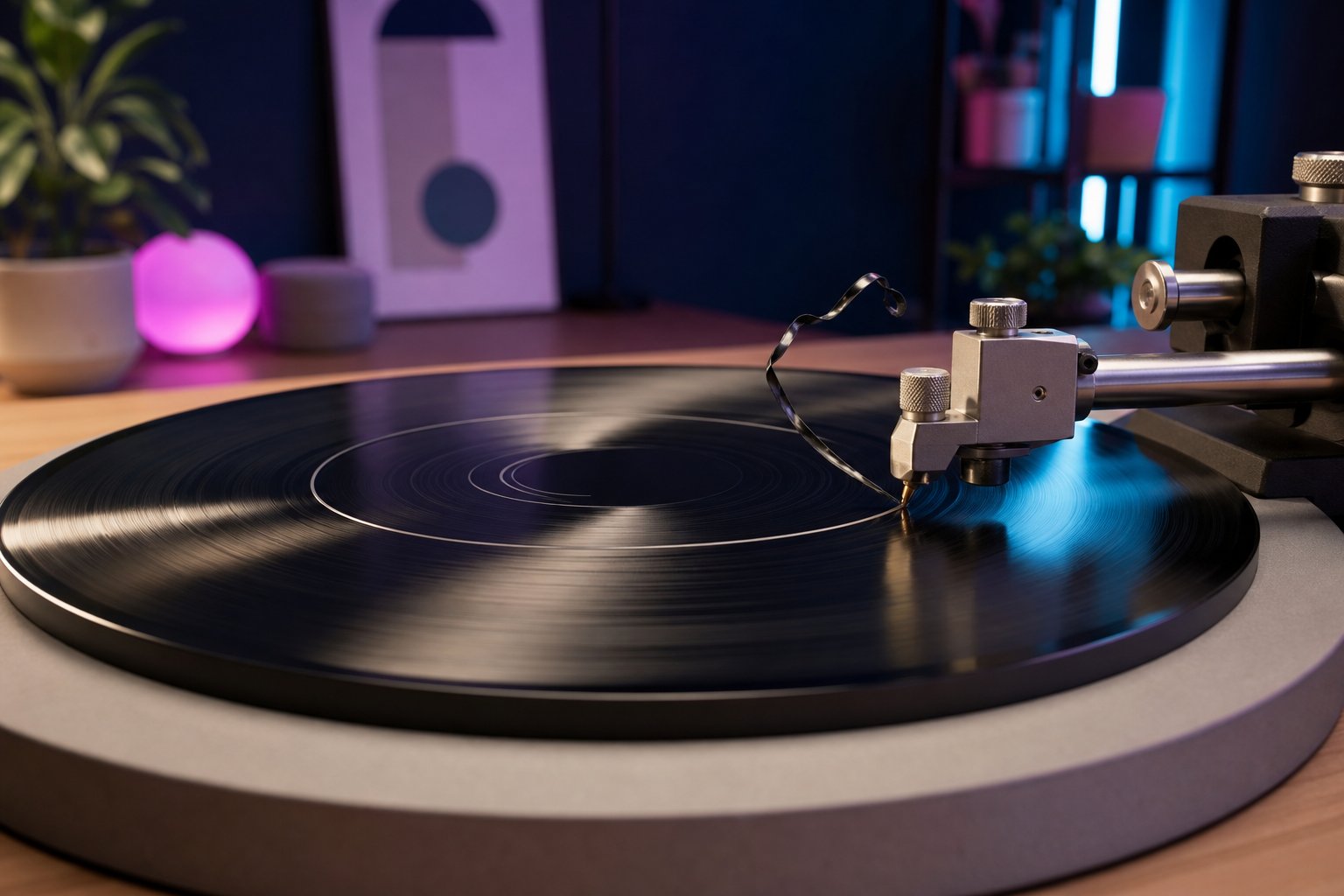
For decades, cutting a vinyl record was a ritual reserved for mastering studios with six-figure equipment, engineers with years of hands-on experience, and budgets that most independent producers never came close to seeing.
There are names in music that function like shields. You say "Rick Rubin" and the conversation stops, people nod in reverence, and no one dares question anything.
Miles Wang spent years working in the deepest corners of OpenAI — not the part that writes poems or answers emails, but the part where models learn to reason about molecular structures, proteins, and biological mechanisms that conventional science takes decades to unravel.
Tom Oberheim has spent decades as one of the most respected names in the history of musical hardware. He designed the OB-X, the Oberheim Polyphonic Synthesizer, the SEM — machines that defined the sound of the seventies and eighties and that now trade on the secondhand market like pieces of art.